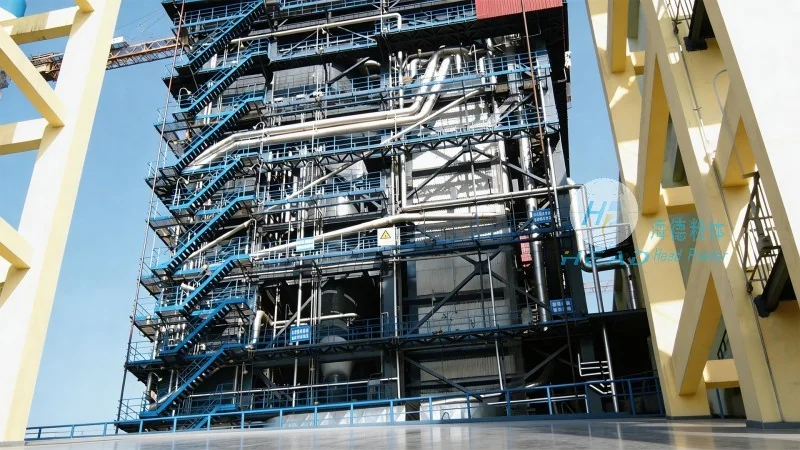
For industrial applications that involve the handling of diatomaceous earth—a naturally occurring, porous sedimentary rock composed of fossilized diatoms—efficient material handling systems are crucial. These systems not only ensure the safe and effective transport of the material but also play a significant role in maintaining the quality and consistency of the final product. This article explores the concept of a diatomaceous earth material handling system, delving into its core components and the underlying design principles that govern its operation.
Understanding Diatomaceous Earth and Its Handling Requirements
Diatomaceous earth, often abbreviated as DE, is a soft, siliceous sedimentary rock formed from the remains of diatoms, a type of hard-shelled algae. It is widely used in various industries, including filtration, abrasives, and animal feed, due to its unique properties such as high porosity, low bulk density, and excellent absorbency. However, these characteristics also pose challenges during material handling. For instance, the fine, powdery nature of DE makes it prone to dust generation, caking, and blockages in traditional conveying systems. Therefore, specialized equipment and design approaches are required to address these challenges effectively.
Key Components of a Diatomaceous Earth Material Handling System
A typical diatomaceous earth material handling system comprises several interconnected components, each designed to address specific operational needs. The primary components include:
1. Feeding Equipment: This component is responsible for introducing the diatomaceous earth into the system. Common feeding devices include rotary valves, vibratory feeders, and screw feeders. These devices ensure a controlled and consistent flow of material, preventing overloading or underfeeding that could lead to system inefficiencies or product degradation.
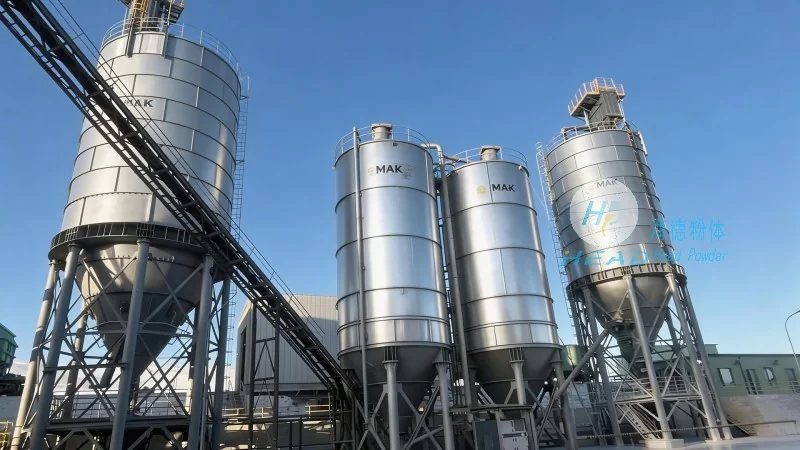
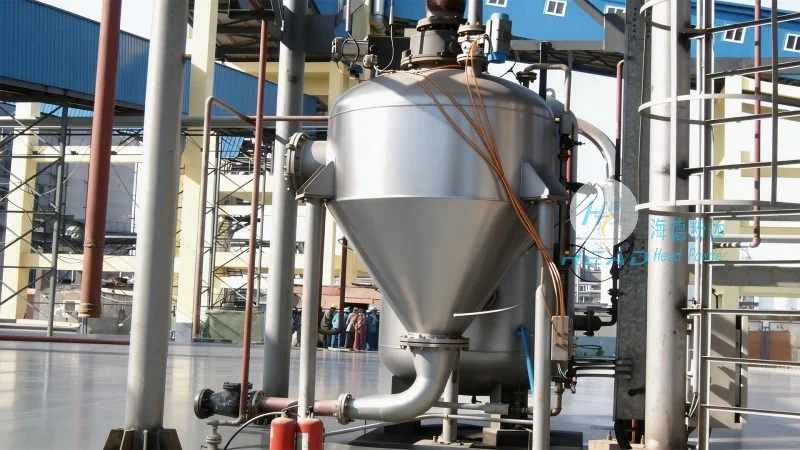
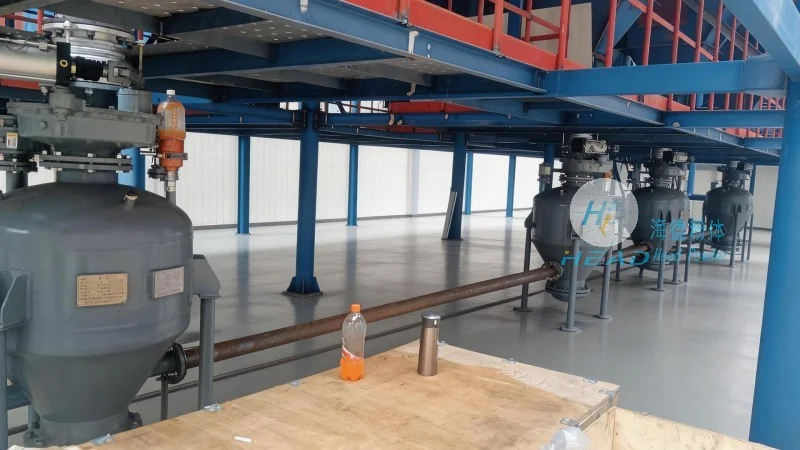
2. Conveying Equipment: The core of the material handling system, conveying equipment is used to transport the diatomaceous earth from one location to another. For DE, pneumatic conveying systems are often preferred due to their ability to handle fine powders without the need for mechanical contact. These systems use air pressure to move the material through pipelines, minimizing the risk of clogging and dust contamination.
3. Storage and Conditioning Equipment: After conveying, the diatomaceous earth may be stored in silos or hoppers. These storage vessels are typically equipped with agitators or air knives to prevent caking and maintain the material's flowability. Conditioning equipment, such as dehumidifiers or moisture control units, may also be integrated to adjust the moisture content of the DE, ensuring it meets the required specifications for downstream processes.
4. Dust Control and Safety Systems: Given the fine nature of diatomaceous earth, dust control is a critical aspect of the system. This includes dust collection systems, such as baghouses or cartridge filters, that capture airborne particles and return them to the material stream. Additionally, safety systems like explosion-proof designs and emergency shut-off valves are incorporated to protect personnel and equipment from potential hazards.
Design Principles for Efficient Diatomaceous Earth Material Handling
The design of a diatomaceous earth material handling system is guided by several key principles aimed at optimizing performance, safety, and cost-effectiveness. These principles include:
1. Minimizing Particle Attrition: Diatomaceous earth particles are fragile and can break down during handling, leading to a change in particle size distribution and potentially affecting product quality. Design principles focus on using equipment with minimal impact, such as flexible hoses and low-speed conveyors, to reduce particle attrition.
2. Preventing Caking and Agglomeration: Caking is a common issue with diatomaceous earth, as moisture or temperature changes can cause the fine particles to stick together. Design solutions include maintaining consistent temperature and humidity levels, using anti-caking agents, and incorporating vibration or air knives to break up agglomerates.
3. Ensuring Airflow Efficiency: In pneumatic conveying systems, the balance between air velocity and material concentration is crucial. Design principles involve calculating the appropriate air-to-material ratio to achieve efficient transport without excessive energy consumption. This involves considering factors such as particle size, density, and the length of the conveying line.
4. Adhering to Safety and Environmental Standards: Industrial material handling systems must comply with local and international safety and environmental regulations. Design principles incorporate features like explosion-proof motors, dust suppression systems, and material recovery mechanisms to minimize environmental impact and ensure workplace safety.
Applications and Benefits of Diatomaceous Earth Material Handling Systems
Diatomaceous earth material handling systems are widely used across various industries, including food processing, pharmaceuticals, and filtration. The benefits of these systems include improved product quality, reduced downtime due to clogging or blockages, and enhanced safety for operators. By addressing the unique challenges associated with handling diatomaceous earth, these systems enable manufacturers to maintain consistent product performance and meet regulatory requirements.
Conclusion
In summary, a diatomaceous earth material handling system is a specialized industrial setup designed to efficiently transport and manage diatomaceous earth while maintaining its quality and safety. The design principles, components, and operational strategies employed in these systems are tailored to address the unique properties of DE, ensuring optimal performance in various industrial applications. As a leading provider in this field, Shandong HeadPowder Engineering Co., Ltd. specializes in designing and manufacturing such systems, leveraging years of expertise to deliver reliable and efficient solutions for clients worldwide.




