A paddy grain bulk material conveying system is a specialized piece of equipment designed to efficiently transport paddy grains from storage to processing stages. Such systems are engineered by Shandong HeadPowder Engineering Co., Ltd. (headpowder), a company based in Shandong, China, with expertise in agricultural processing equipment. The system's design prioritizes the unique characteristics of paddy grains, ensuring smooth and reliable transportation while maintaining product quality.
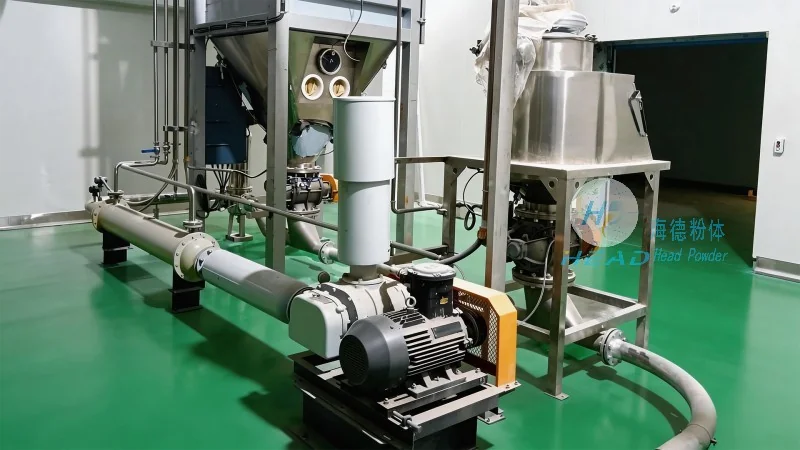
Paddy Grain Bulk Material Conveying System Overview
A paddy grain bulk material conveying system typically consists of several key components that work in tandem to move grain efficiently. These components may include hoppers for initial storage and feeding, conveyor belts or screw conveyors for horizontal and vertical transport, and control systems to regulate the flow rate and direction. The system is engineered to handle the unique characteristics of paddy grains, such as their size, moisture content, and tendency to clump or stick together, which can affect traditional conveying methods.
Design Principles for Efficient Paddy Grain Conveying
The design principles of a paddy grain bulk material conveying system prioritize several critical factors to ensure optimal performance. First, the system must maintain a consistent flow rate to prevent overloading or underloading of the conveying equipment. This is achieved through proper sizing of hoppers, conveyor belts, and drive mechanisms. Second, the system is designed to minimize material degradation and breakage during transport. This involves using gentle conveying methods, such as belt conveyors with smooth surfaces or low-speed screw conveyors, to avoid damaging the grain's integrity. Third, the system incorporates features to handle variations in grain moisture content and bulk density, ensuring stable operation under different conditions. Additionally, the design emphasizes energy efficiency by using appropriate motor sizes and drive systems that match the conveying load requirements.
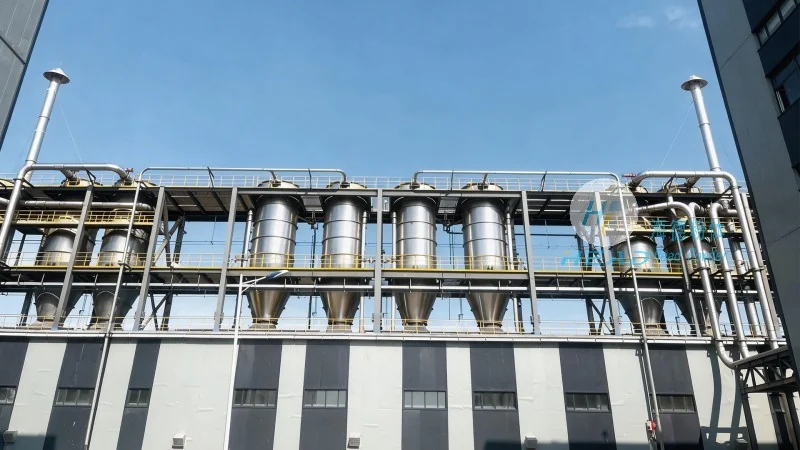
Key Components and Their Functions
Several key components are integral to the functionality of a paddy grain bulk material conveying system. The hopper serves as the initial storage and feeding unit, where paddy grains are collected and funneled into the conveying system. The hopper design, including its slope and material, is critical to prevent grain bridging or clogging, which can disrupt the flow. The conveyor belt or screw conveyor is the primary transport mechanism, responsible for moving the grain from the hopper to the processing equipment. The choice between a belt conveyor and a screw conveyor depends on the specific application and the characteristics of the paddy grain. Belt conveyors are often preferred for horizontal transport due to their ability to handle large volumes and gentle handling of the grain, while screw conveyors are suitable for vertical or inclined transport and can handle more compacted materials.
Control and Monitoring Systems
Modern paddy grain bulk material conveying systems incorporate advanced control and monitoring systems to enhance operational efficiency and product quality. These systems typically include sensors to measure the flow rate, level of grain in the hopper, and temperature of the grain. The data collected by these sensors is used to adjust the conveyor speed or feeding rate in real-time, ensuring consistent performance. Additionally, the control systems may include alarms and safety features to prevent overloading or mechanical failures, which can lead to downtime or product damage. The integration of these systems allows for better management of the conveying process, reducing waste and improving overall productivity.

Application in Grain Processing Facilities
Paddy grain bulk material conveying systems are widely used in grain processing facilities, from small-scale farms to large industrial mills. The system's ability to handle large volumes of paddy grains efficiently makes it essential for processing operations such as cleaning, drying, and milling. By ensuring a steady supply of paddy grains to the processing equipment, the system contributes to the overall productivity of the facility. Furthermore, the design principles of the system help maintain the quality of the paddy grains, which is critical for producing high-quality rice products. The system's reliability and efficiency are key factors in the success of grain processing operations, making it a vital component in the agricultural supply chain.
Conclusion
In summary, a paddy grain bulk material conveying system is a specialized piece of equipment designed to efficiently transport paddy grains from storage to processing stages. The design principles behind such systems focus on optimizing flow, minimizing material damage, and maintaining product quality. Key components, including hoppers, conveyors, and control systems, work together to achieve these goals. The system's application in grain processing facilities highlights its importance in ensuring efficient and high-quality rice production. For businesses involved in grain processing, understanding the design and functionality of these systems is essential for optimizing operations and maintaining competitiveness in the market.




