

What is a Food Additive Material Conveying Line? What are the Design Principles?
Food additive material conveying lines are specialized systems engineered to handle the transportation of various food additives, such as preservatives, colorants, flavor enhancers, and other processing aids. These lines are critical in food manufacturing facilities, ensuring that additives are moved efficiently and safely from storage to production lines. The design of these systems is tailored to meet the stringent regulatory and hygiene standards required in the food industry, making them a vital component of modern food processing operations.
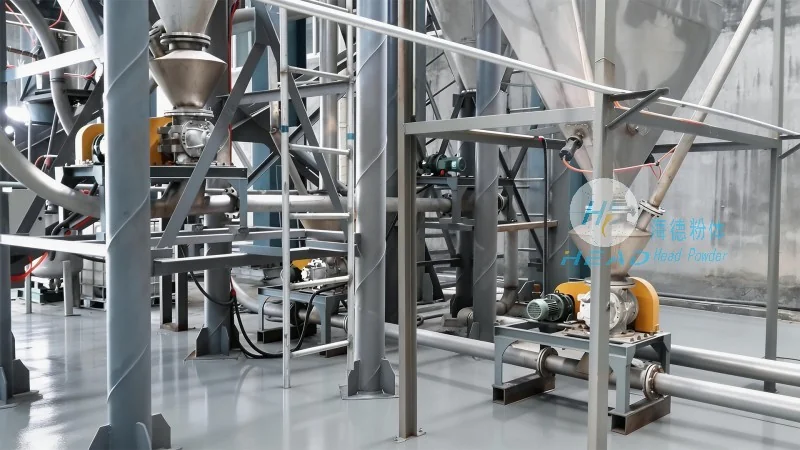
Key Design Principles for Food Additive Conveying Systems
The design of a food additive material conveying line is guided by several fundamental principles to ensure optimal performance, safety, and compliance. First, the system must maintain a sterile environment to prevent contamination of the additives, which are often sensitive to moisture, temperature, and microbial exposure. This is achieved through the use of stainless steel components, sealed conveyor belts, and air filtration systems that keep the internal environment clean. Second, the conveying mechanism must be gentle to avoid damaging the additives, especially those in powdered or granular form, which could lead to clumping or degradation. Belt conveyors, screw conveyors, and pneumatic systems are commonly used, each with specific advantages depending on the additive's physical properties. Third, the system must be easy to clean and maintain, as per the principles of Good Manufacturing Practices (GMP). This includes features like CIP (Clean-in-Place) capabilities, removable parts, and smooth surfaces that prevent residue buildup. Fourth, the design must consider the flow rate and capacity requirements, ensuring that the line can handle the desired throughput without bottlenecks or overloading. Finally, the system must integrate seamlessly with other production equipment, such as mixers, blenders, and packaging machines, to form a cohesive production line.
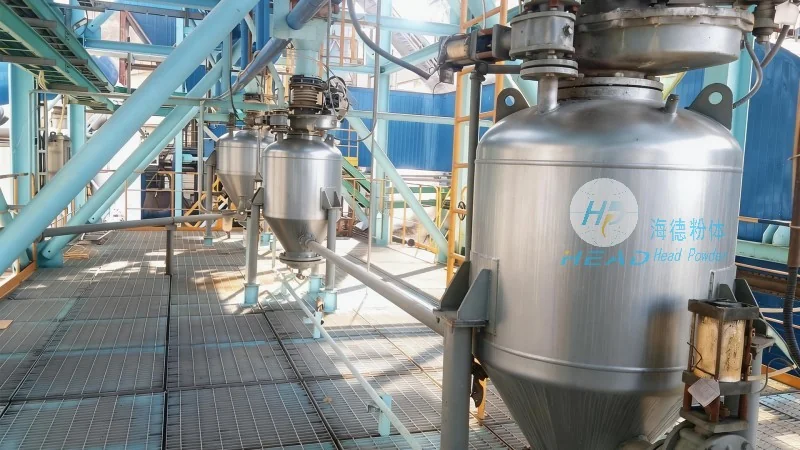
Components and Functionality of Food Additive Conveying Lines
A typical food additive material conveying line consists of several key components, each playing a crucial role in the overall operation. The primary components include a storage hopper or silo, a feeding mechanism (such as a rotary valve or screw feeder), a conveyor system (e.g., belt, screw, or pneumatic), a control panel, and a discharge or dosing unit. The storage hopper is designed to hold large quantities of additives, often with a conical bottom to facilitate smooth discharge. The feeding mechanism regulates the flow of additives from the hopper to the conveyor, ensuring a consistent and controlled feed rate. The conveyor system transports the additives from the storage area to the processing or packaging station. Belt conveyors are ideal for transporting bulk powders and granules over short to medium distances, while screw conveyors are suitable for vertical or inclined transport and can also mix the additives as they move. Pneumatic conveying systems use air to transport fine powders, offering high flexibility and the ability to handle long distances. The control panel allows operators to monitor and adjust the system's parameters, such as speed, flow rate, and pressure, ensuring precise control over the conveying process. The discharge or dosing unit delivers the additives to the next stage of the production line, such as a mixer or a dosing machine, where they are incorporated into the final product.
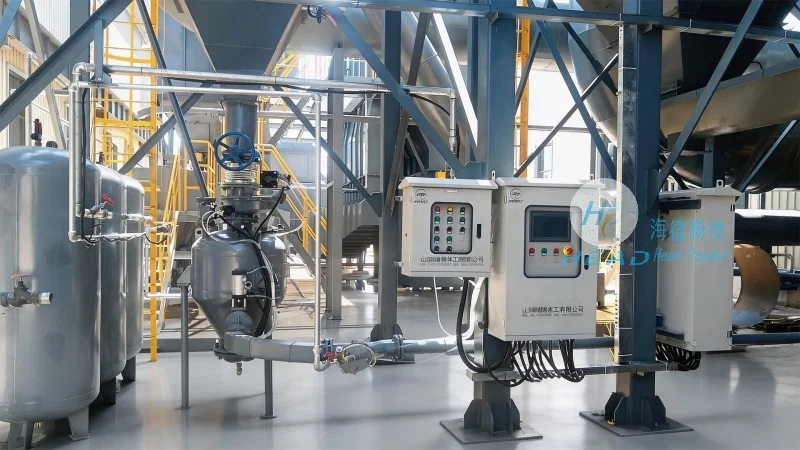
Importance of Hygiene and Compliance in Food Additive Conveying
In the food industry, hygiene and compliance are non-negotiable, and food additive conveying lines must adhere to strict regulations to ensure product safety and quality. The design of these systems incorporates features that minimize the risk of contamination and cross-contamination. For example, all components are made from food-grade stainless steel, which is resistant to corrosion and easy to clean. The conveyor belts are often made from food-grade rubber or plastic, which are non-porous and do not absorb contaminants. The system is also equipped with air filtration systems that remove dust and particles from the air, preventing them from entering the additives. Additionally, the system must be designed to prevent the buildup of moisture, as moisture can lead to the growth of mold and bacteria, which can spoil the additives and make them unsafe for consumption. The use of dryers or dehumidifiers in the conveying line can help maintain a low humidity environment, ensuring the additives remain dry and stable. Furthermore, the system must comply with local and international food safety regulations, such as those set by the FDA (Food and Drug Administration) in the United States and the EU (European Union) regulations. Regular inspections and maintenance are required to ensure that the system remains in compliance and operates safely.
Customization and Integration with Production Lines
Food additive material conveying lines are often customized to meet the specific needs of a food manufacturing facility. The design of the system can be tailored to handle different types of additives, such as powders, granules, or liquids, and to accommodate varying production volumes. For example, a small-scale facility may require a simple belt conveyor system, while a large-scale facility may need a more complex system with multiple conveyors and storage hoppers. The system can also be integrated with other production equipment, such as mixers, blenders, and packaging machines, to form a seamless production line. This integration allows for efficient and continuous production, reducing downtime and increasing productivity. The control panel can be connected to the other equipment, allowing for automated control of the entire production process. For instance, the conveyor system can be programmed to start and stop based on the status of the mixer or the availability of raw materials, ensuring that the additives are added at the correct time and in the correct amount.
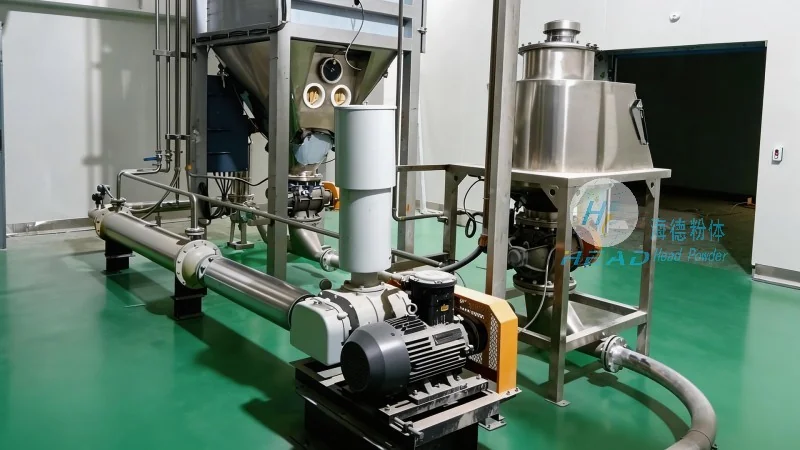
About Shandong HeadPowder Engineering Co., Ltd.
Shandong HeadPowder Engineering Co., Ltd., commonly known as HeadPowder, is a leading manufacturer of food additive processing equipment, including material conveying lines. The company is based in Shandong, China, and has a strong reputation for providing high-quality, reliable, and customized solutions for the food industry. HeadPowder specializes in designing and manufacturing conveying systems that meet the stringent requirements of food safety and hygiene. The company's products are made from high-quality materials and are engineered to provide long-lasting performance and easy maintenance. HeadPowder's team of experts works closely with clients to understand their specific needs and design a system that meets their requirements. The company also provides after-sales support, including maintenance and repair services, to ensure that the systems operate at optimal performance. With years of experience in the food industry, HeadPowder is committed to providing solutions that enhance the efficiency and safety of food processing operations.