

What is a Silicon Carbide Material Handling System Equipment? What is its Design Principle?
For industrial applications that require the efficient and reliable transportation of silicon carbide materials, specialized equipment is essential. This article explores the concept of a silicon carbide material handling system and delves into its design principles, offering insights into how such systems are engineered to meet the demands of modern manufacturing processes.
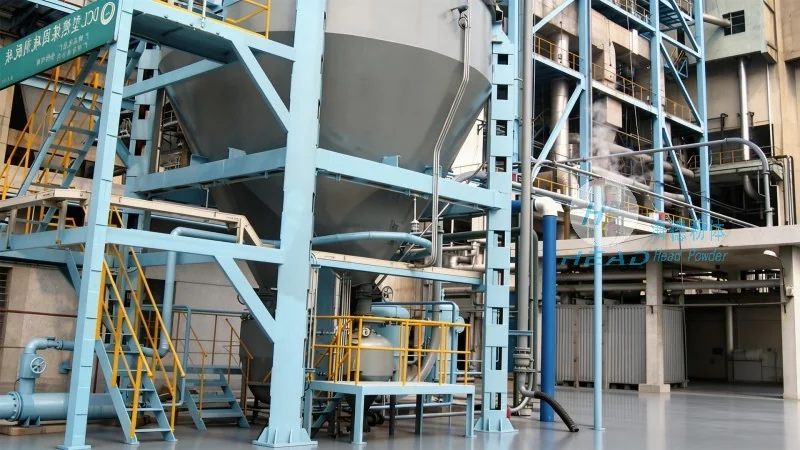
HeadPowder, a leading manufacturer based in Shandong, China, specializes in the development and production of advanced material handling solutions. With a strong commitment to quality and innovation, the company has established itself as a trusted partner in the industry, providing tailored equipment for diverse material processing needs.
Overview of Silicon Carbide Material Handling Systems
A silicon carbide material handling system is a specialized piece of equipment designed to transport, store, and manage silicon carbide materials within industrial settings. These materials, known for their high hardness, thermal stability, and electrical conductivity, are widely used in applications such as abrasives, refractories, and semiconductor manufacturing. The system typically includes components like conveyors, feeders, storage bins, and control systems, all working in tandem to ensure smooth material flow and operational efficiency.
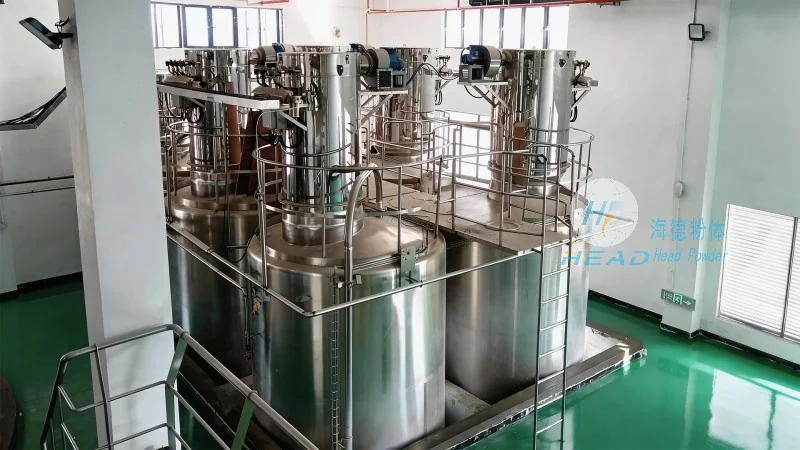
Design Principles of the System
The design of a silicon carbide material handling system is guided by several key principles aimed at optimizing performance, durability, and safety. First, the system must be constructed from materials that can withstand the abrasive nature of silicon carbide, preventing wear and tear over time. This often involves the use of high-strength alloys, hardened steel, or specialized coatings on components that come into direct contact with the material. Second, the system is engineered for efficient material flow, minimizing friction and ensuring consistent throughput. This is achieved through the use of appropriate conveyor types, such as belt conveyors, screw conveyors, or pneumatic systems, depending on the specific application requirements. Third, the design incorporates robust control mechanisms to monitor and regulate the system's operation, ensuring that it operates within safe parameters and adapts to changes in material volume or processing needs. Additionally, the system is designed with safety in mind, incorporating features like emergency stop buttons, protective guards, and overload protection to prevent accidents and equipment damage.
Key Components and Their Functions
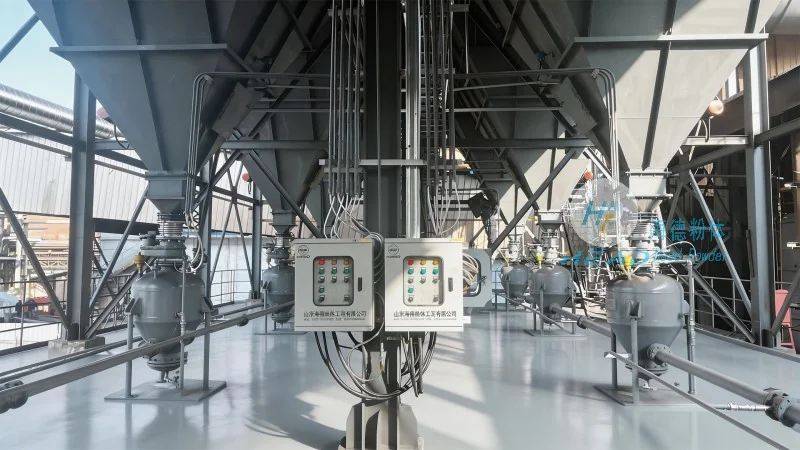
At the core of a silicon carbide material handling system are several critical components that work together to achieve the desired functionality. The primary components include: 1. Conveyors: These are responsible for moving silicon carbide from one location to another. Belt conveyors are commonly used for bulk material transport due to their ability to handle large volumes and accommodate various material sizes. Screw conveyors, on the other hand, are ideal for transporting smaller, more granular materials with precision. 2. Feeders: Feeders regulate the flow of material from storage bins or hoppers to the conveyor system, ensuring a consistent and controlled feed rate. This is crucial for maintaining stable processing conditions and preventing overloading or underloading of the system. 3. Storage Bins: These are used to store silicon carbide before it is processed or transported. They are typically designed with sloped sides to facilitate material discharge and may include features like level sensors to monitor the material level and trigger replenishment when necessary. 4. Control Systems: The control system manages the operation of all components, monitoring parameters such as speed, pressure, and temperature. It may include programmable logic controllers (PLCs) and human-machine interfaces (HMIs) that allow operators to adjust settings and monitor the system's performance in real time. 5. Protective Equipment: To ensure safety and prevent damage, the system may include protective guards, dust collection systems, and emergency stop mechanisms. These features help to minimize the risk of accidents and maintain a clean working environment.
Maintenance and Optimization of the System
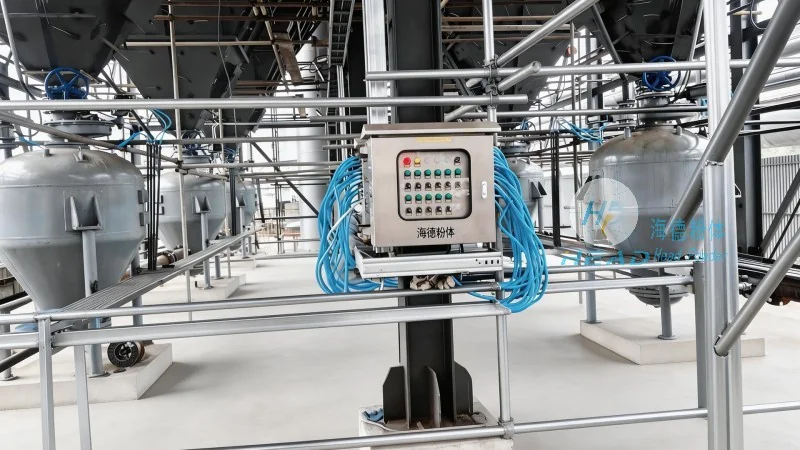
Proper maintenance is essential to ensure the long-term performance and reliability of a silicon carbide material handling system. Regular inspections should be conducted to check for signs of wear, such as belt stretching, bearing failure, or component damage. Lubrication of moving parts is also critical to reduce friction and extend the lifespan of the equipment. Additionally, cleaning the system regularly, especially the conveyor belts and storage bins, helps to prevent material buildup and maintain operational efficiency. The control system should be checked periodically to ensure that all sensors and controls are functioning correctly. By following a regular maintenance schedule, the system can operate at peak efficiency, reducing downtime and maintenance costs over its lifespan.
Conclusion
Silicon carbide material handling systems are critical components in industrial processes that require the efficient transportation and management of this high-performance material. The design principles behind such systems focus on durability, efficiency, and safety, ensuring that they can withstand the harsh conditions associated with silicon carbide processing. Companies like Shandong HeadPowder Engineering Co., Ltd. play a vital role in developing and manufacturing these systems, providing tailored solutions that meet the specific needs of their clients. By understanding the design principles and key components of these systems, industries can optimize their material handling processes, improve productivity, and enhance overall operational performance.