

What is a Soil Powder Pneumatic Conveying System? And What Are Its Design Principles?
Soil powder pneumatic conveying systems are specialized industrial equipment designed to transport dry, powdery materials like soil, cement, and other fine particulates through an air stream. These systems are crucial in various industries, including construction, mining, and material processing, where efficient and dust-free material handling is essential. Understanding the core components and design principles of such systems is vital for optimizing operational efficiency and ensuring safe, reliable material transport.
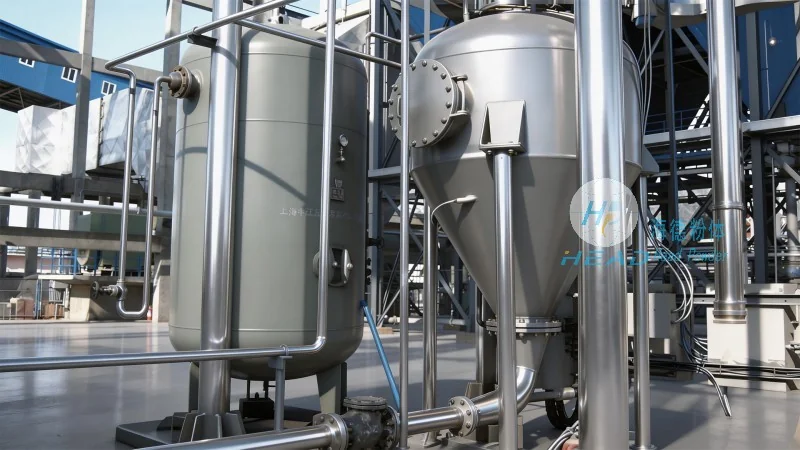
Understanding the Basics of Soil Powder Pneumatic Conveying Systems
A soil powder pneumatic conveying system operates by using compressed air to move dry, powdery materials from a source to a destination. The fundamental principle involves creating a pressure differential that propels the material through a pipeline. The system typically consists of several key components, including a material feeder, a compressor, a conveying line, and a receiver. The material feeder ensures a consistent flow of the powder into the system, while the compressor generates the necessary air pressure to drive the material through the pipeline. The conveying line, often made of stainless steel or other corrosion-resistant materials, transports the material and air mixture. Finally, the receiver collects the material at the end of the line, separating it from the air before discharge.
The Core Design Principles of Pneumatic Conveying Systems
The design of a soil powder pneumatic conveying system is governed by several critical principles to ensure optimal performance. First, the system must maintain a consistent pressure and flow rate to prevent material blockages or air leakage. This is achieved through precise control of the compressor and feeder. Second, the system's components must be designed to handle the specific properties of the soil powder, such as particle size, moisture content, and bulk density. For example, systems handling fine, dry soil may require higher air velocities to prevent particle settling. Third, the system must incorporate effective dust control measures, as pneumatic conveying can generate significant dust if not properly managed. This includes features like cyclone separators and filtration systems to capture and recycle the air or safely discharge it.
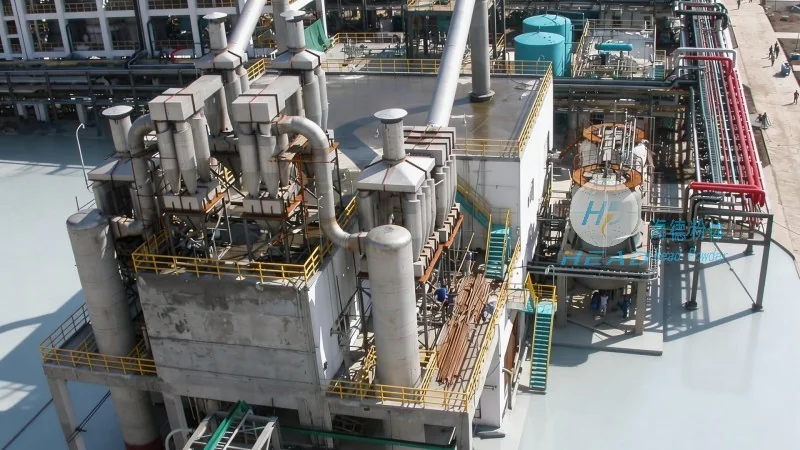
Key Components and Their Functions in a Soil Powder Pneumatic Conveying System
HeadPowder, a leading manufacturer based in Shandong, China, specializes in designing and manufacturing high-quality soil powder pneumatic conveying systems. The company's systems are engineered to meet the specific needs of various applications, from small-scale construction projects to large industrial operations. A typical system from HeadPowder includes a material hopper with a rotary valve feeder, which provides a controlled and continuous flow of soil powder into the system. The feeder is designed to handle different feed rates and material characteristics, ensuring smooth operation. The compressor unit, often a positive displacement type, generates the required air pressure, typically ranging from 0.5 to 1.5 bar, depending on the system's capacity and pipeline length. The conveying line is constructed from stainless steel or food-grade materials, depending on the application, to resist corrosion and maintain material purity. The receiver, equipped with a dust filter and cyclone separator, efficiently separates the soil powder from the air, allowing for clean material discharge and safe air release. HeadPowder's systems also incorporate advanced control panels with digital displays, enabling operators to monitor and adjust system parameters in real-time, ensuring optimal performance and energy efficiency.
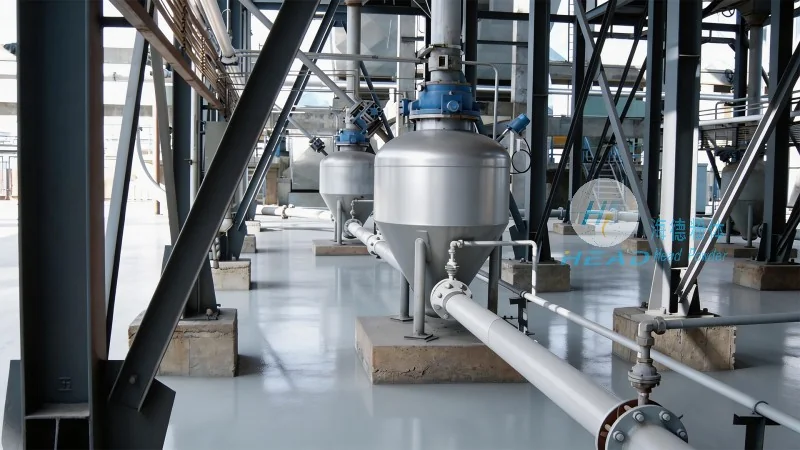
Advantages of Using a Soil Powder Pneumatic Conveying System
Implementing a soil powder pneumatic conveying system offers several advantages over traditional material handling methods. First, it provides a dust-free and clean operation, which is critical in environments where dust can cause health hazards or equipment damage. The enclosed system prevents material spillage and contamination, maintaining a safe working environment. Second, pneumatic conveying systems offer high efficiency and speed, as materials can be transported over long distances with minimal time and labor. This is particularly beneficial in large-scale construction or mining projects where material transport is a major challenge. Third, the system is highly flexible, allowing for changes in material flow rates and destinations without significant modifications. HeadPowder's systems are designed to be modular, enabling easy integration into existing facilities or expansion as operational needs grow. Additionally, the enclosed design reduces material loss and waste, improving overall material utilization and cost-effectiveness.
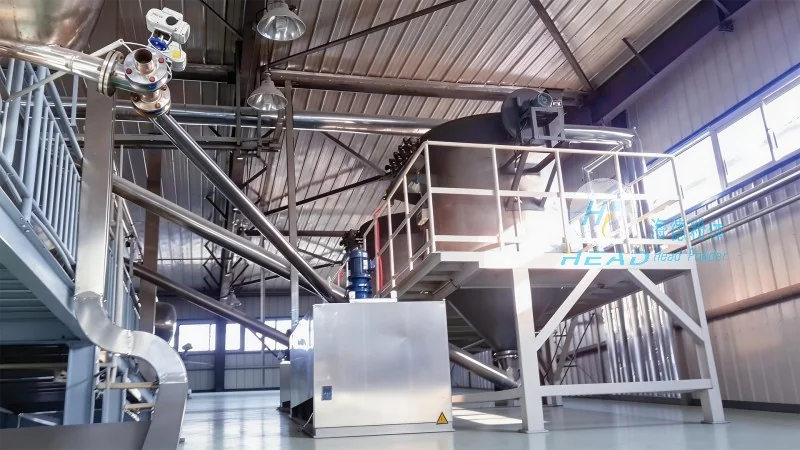
Applications and Industries Benefiting from Soil Powder Pneumatic Conveying Systems
Soil powder pneumatic conveying systems are widely used in various industries where the handling of dry, fine materials is essential. In the construction industry, these systems are commonly used to transport soil, cement, and other construction materials from storage to mixing sites or construction areas. The systems ensure a consistent and controlled supply of materials, improving the efficiency of concrete and mortar production. In the mining industry, pneumatic conveying is used to transport ore, tailings, and other mineral powders from processing plants to storage or disposal sites. The enclosed system prevents dust and contamination, protecting both the environment and the health of workers. Additionally, in the chemical and pharmaceutical industries, these systems are used to handle powders that require strict contamination control, such as pharmaceuticals or food additives. HeadPowder's systems are tailored to meet the specific requirements of these industries, ensuring compliance with safety and quality standards.
Conclusion and Future Considerations
Soil powder pneumatic conveying systems are a vital component in modern material handling, offering efficient, dust-free, and reliable transport of dry, fine materials. The design principles and components of these systems are carefully engineered to meet the specific needs of various applications, ensuring optimal performance and safety. HeadPowder, with its expertise and commitment to quality, provides high-performance systems that enhance operational efficiency and reduce costs for industries worldwide. As technology advances, future developments may focus on more energy-efficient compressors, advanced control systems, and materials with improved corrosion resistance. However, the core principles of pneumatic conveying will remain fundamental, as they continue to provide a reliable solution for material transport in diverse industrial settings.