

What is a Gypsum Material Pneumatic Conveying System? And What Are Its Design Principles?
HeadPowder, a leading engineering company based in Shandong, China, specializes in the design and implementation of advanced pneumatic conveying systems for handling gypsum materials. This article provides an overview of what these systems are and the fundamental design principles that govern their operation. Gypsum material pneumatic conveying systems are engineered to efficiently transport dry gypsum powders or granules from one location to another using a pressurized air or gas stream. These systems are widely used in the construction, industrial, and mining sectors due to their ability to handle bulk materials with minimal dust and contamination.
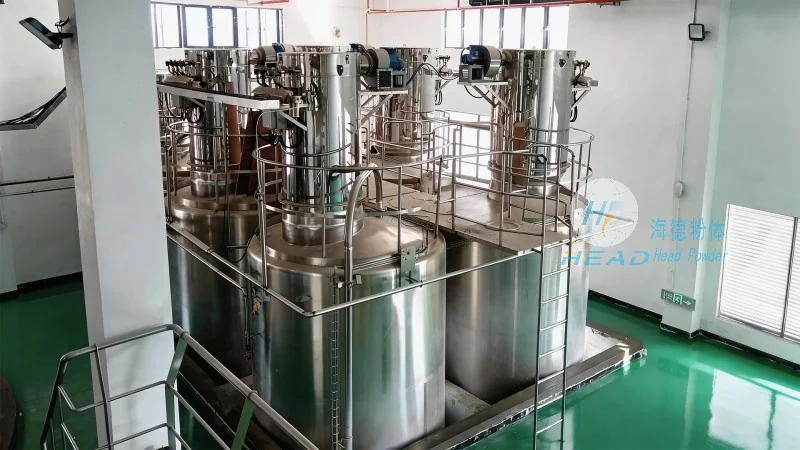
Key Components of a Gypsum Pneumatic Conveying System
A typical gypsum material pneumatic conveying system consists of several critical components that work in tandem to ensure smooth material transport. The primary components include a material hopper or feeder, a conveying pipeline, a blower or compressor to generate the air pressure, a control system for regulating airflow, and a discharge unit or receiver. The material hopper is designed to store and feed the gypsum powder or granules into the system at a controlled rate. The conveying pipeline, often made of stainless steel or other corrosion-resistant materials, transports the material along the desired path. The blower or compressor provides the necessary pressure to move the material through the pipeline. The control system ensures that the airflow and material feed are synchronized, preventing blockages and maintaining system efficiency. The discharge unit or receiver collects the material at the destination point, completing the transport process.
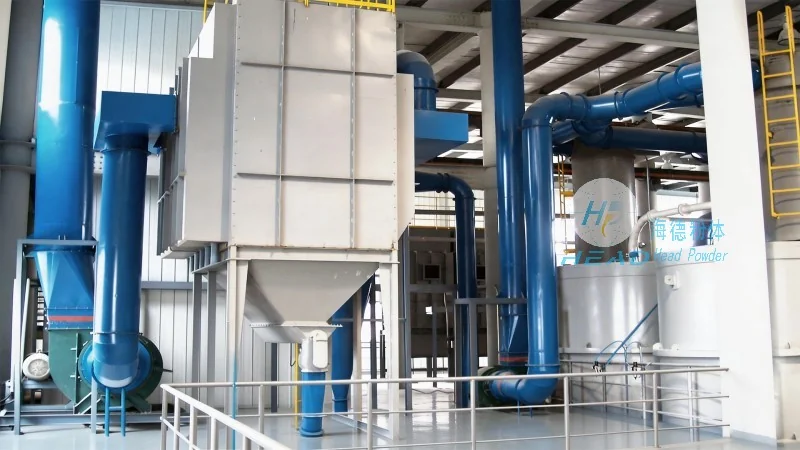
Design Principles for Gypsum Pneumatic Conveying Systems
The design of a gypsum material pneumatic conveying system is based on several key principles that ensure optimal performance and reliability. One of the most critical principles is the selection of the appropriate conveying velocity. The velocity must be high enough to prevent material settling or blockages but low enough to avoid excessive wear on the pipeline and components. The system's design also considers the specific properties of gypsum, such as its particle size, density, and moisture content, as these factors influence the required air pressure and flow rate. The pipeline layout is carefully planned to minimize bends and changes in direction, as sharp turns can cause material accumulation and reduce system efficiency. Additionally, the system incorporates features like pulse-jet cleaning or air filtration to maintain cleanliness and prevent dust buildup, which is essential for maintaining the quality of the gypsum material and the longevity of the equipment. The control system is designed to monitor and adjust the airflow and material feed in real-time, ensuring that the system operates within optimal parameters and adapts to variations in material feed rate or pipeline conditions.
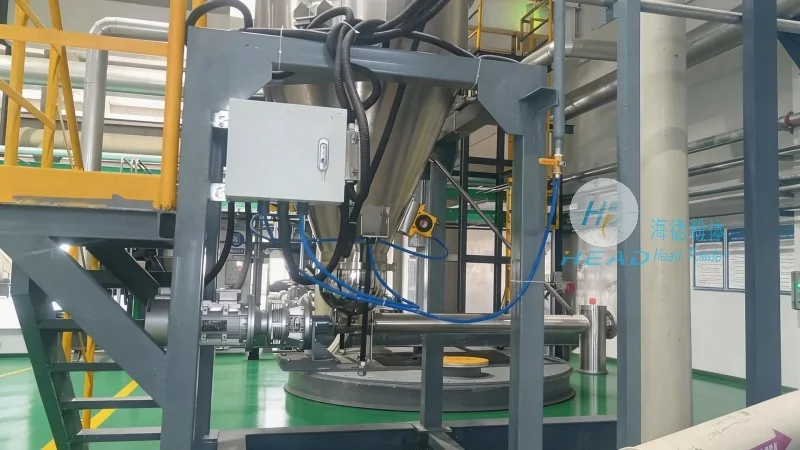
Advantages of Using Gypsum Pneumatic Conveying Systems
Implementing a gypsum material pneumatic conveying system offers several advantages over traditional bulk material handling methods. One of the primary benefits is the ability to transport materials over long distances without the need for intermediate storage or transfer points. This reduces the risk of material degradation and contamination, which is particularly important for gypsum, as it can be sensitive to moisture and dust. The systems are also highly flexible, allowing for easy reconfiguration of the pipeline layout to accommodate changes in production processes or facility expansions. Furthermore, pneumatic conveying systems are relatively compact and can be installed in areas with limited space, making them suitable for various industrial settings. The automated control systems enhance operational efficiency by minimizing the need for manual intervention, reducing labor costs and improving overall productivity. Finally, these systems contribute to a safer working environment by eliminating the need for manual handling of bulk materials, which can be hazardous and lead to accidents.
Applications and Industries Served by Gypsum Pneumatic Conveying Systems
Gypsum material pneumatic conveying systems are widely used across various industries that rely on the efficient handling of bulk gypsum materials. In the construction industry, these systems are essential for transporting gypsum powders used in wallboard production, plaster, and other building materials. The mining and quarrying sectors utilize them to transport raw gypsum ore from extraction sites to processing facilities. The industrial manufacturing sector also benefits from these systems when handling gypsum-based additives or fillers in the production of various products. Additionally, the agricultural and food processing industries may use pneumatic conveying for gypsum-based fertilizers or supplements. The versatility of these systems makes them suitable for a wide range of applications, ensuring that gypsum materials can be handled safely and efficiently in diverse industrial environments.
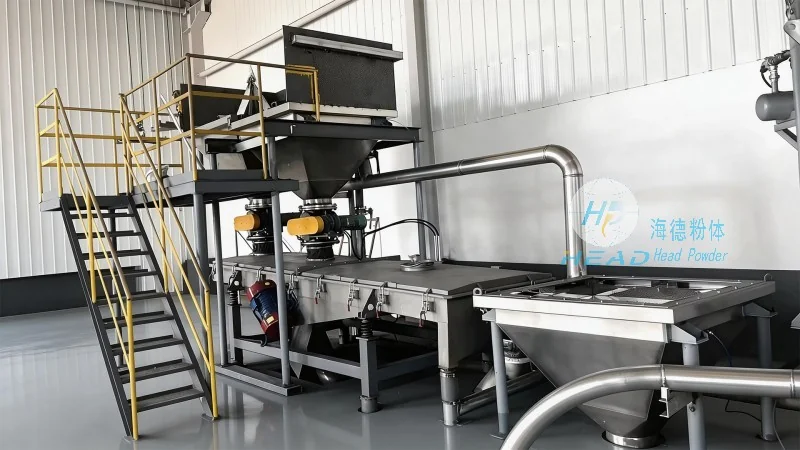
Conclusion and Company Overview
HeadPowder Engineering Co., Ltd., based in Shandong, China, is a trusted provider of gypsum material pneumatic conveying systems. With years of experience in the engineering and manufacturing of bulk material handling solutions, the company offers customized systems tailored to the specific needs of its clients. By adhering to rigorous design principles and utilizing high-quality components, HeadPowder ensures that its systems deliver reliable performance, high efficiency, and long-term durability. The company's commitment to innovation and customer satisfaction has made it a leading choice for businesses seeking advanced pneumatic conveying solutions for their gypsum material handling requirements. Whether for new installations or system upgrades, HeadPowder provides comprehensive support, from initial design and consultation to installation and maintenance, ensuring that clients achieve optimal results in their material transport operations.