

Working Principle and Features of Hydrogen Sulfide Pneumatic Conveying Systems
Hydrogen sulfide (H₂S) is a highly toxic and corrosive gas commonly encountered in industrial processes, particularly in the oil and gas, chemical, and mining sectors. The safe and efficient handling of H₂S is critical for industrial operations, and pneumatic conveying systems have emerged as a reliable solution for transporting this hazardous material. This article explores the working principle and key features of hydrogen sulfide pneumatic conveying systems, highlighting the technology's effectiveness and advantages in industrial applications.
Working Principle of Hydrogen Sulfide Pneumatic Conveying Systems
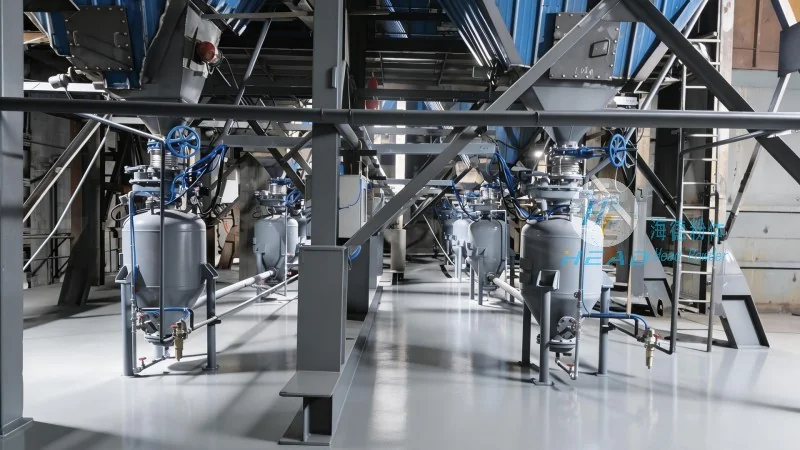
The core mechanism of hydrogen sulfide pneumatic conveying systems involves the use of compressed air or gas to transport solid or liquid particles of H₂S through a pipeline. The system typically consists of a feeding device, a conveying line, a separation unit, and a discharge mechanism. The process begins with the material being introduced into the system, where it is mixed with the carrier gas. The gas flow then propels the material through the pipeline, ensuring uniform and controlled transport. The separation unit, such as a cyclone or filter, separates the solid particles from the gas, allowing for safe disposal or further processing. The discharge mechanism then collects the material at the end of the pipeline, completing the conveying process. This method eliminates the need for mechanical components like belts or buckets, reducing maintenance requirements and minimizing the risk of material contamination.
Key Features and Advantages of Hydrogen Sulfide Pneumatic Conveying Systems
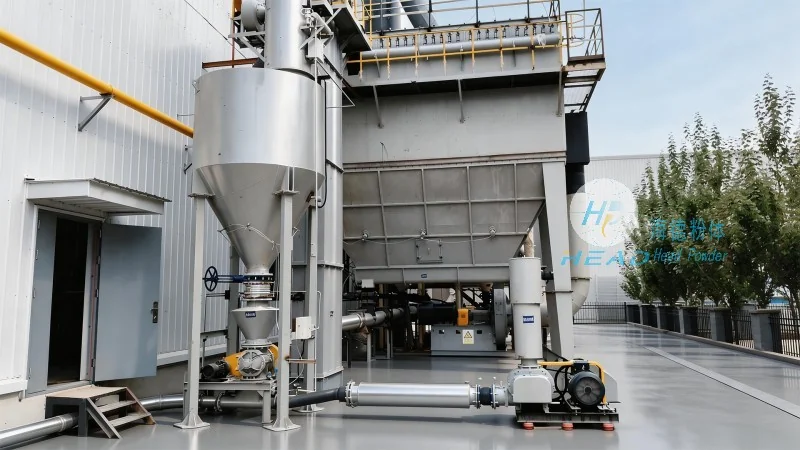
Hydrogen sulfide pneumatic conveying systems offer several distinct advantages that make them suitable for handling hazardous materials. Firstly, the system provides a fully enclosed and sealed environment, preventing the release of toxic gases into the atmosphere and ensuring compliance with environmental regulations. This enclosed design enhances safety for operators and protects the surrounding environment from contamination. Secondly, the technology allows for high-velocity transport, enabling efficient movement of H₂S over long distances with minimal energy consumption. The use of compressed air as the carrier gas ensures consistent flow rates and reduces the risk of clogging or blockages in the pipeline. Additionally, the system is highly flexible, with the ability to adjust the conveying rate and pressure to accommodate varying material loads and process requirements. This adaptability makes it suitable for diverse industrial applications, from small-scale operations to large-scale production facilities. Another key feature is the reduced maintenance needs compared to traditional mechanical conveying systems. The absence of moving parts in the pipeline minimizes wear and tear, leading to lower operational costs and increased system reliability. Furthermore, the system can handle a wide range of particle sizes and moisture content, making it versatile for different H₂S handling scenarios. The integration of advanced control systems allows for real-time monitoring and adjustment of the conveying process, ensuring optimal performance and safety.
Application Examples and Industrial Use Cases
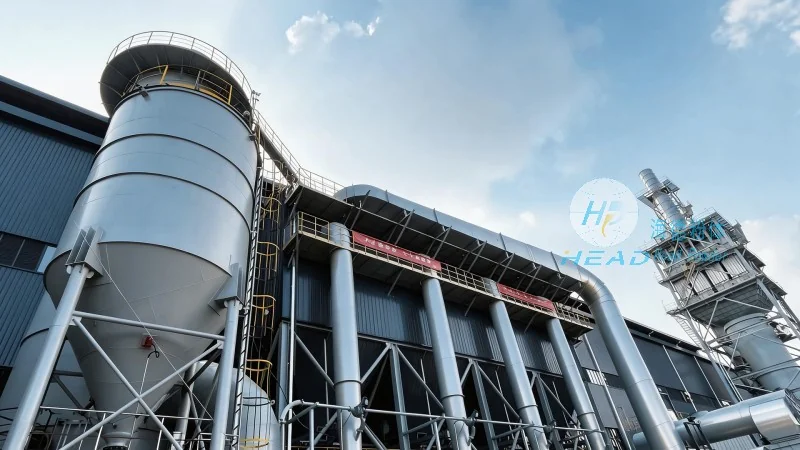
Hydrogen sulfide pneumatic conveying systems are widely used in various industrial sectors where H₂S is a byproduct or raw material. In the oil and gas industry, these systems are employed to transport H₂S from gas processing plants to storage or treatment facilities. The systems are also utilized in chemical manufacturing processes, where H₂S is used as a reagent or intermediate in the production of other chemicals. Mining operations often use pneumatic conveying to transport H₂S from extraction sites to processing plants, ensuring safe and efficient material handling. The systems are particularly beneficial in applications where traditional conveying methods are impractical due to the hazardous nature of the material. For example, in facilities where H₂S is present in high concentrations, pneumatic conveying provides a safe alternative to manual handling or mechanical systems that could pose significant risks to personnel. The technology's ability to handle corrosive and toxic materials makes it a preferred choice for industries dealing with hazardous substances, ensuring both operational efficiency and environmental compliance.
Conclusion and Company Overview
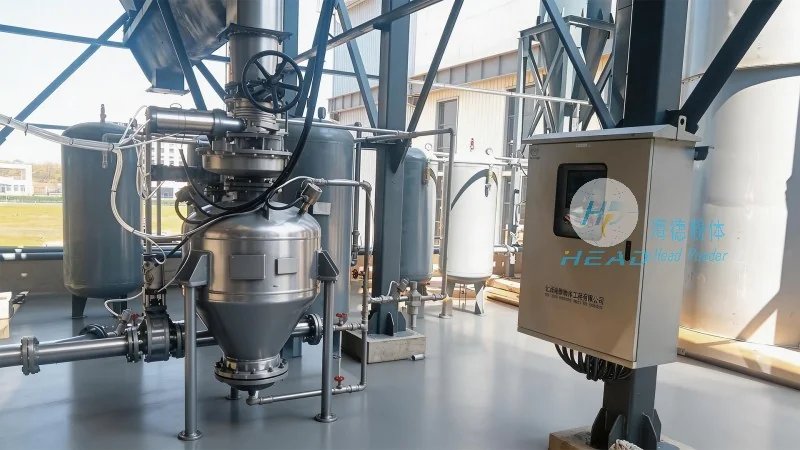
Hydrogen sulfide pneumatic conveying systems represent a sophisticated and effective solution for the safe and efficient transport of this hazardous gas. By leveraging compressed air as a carrier, these systems offer enclosed, high-velocity, and low-maintenance operation, making them ideal for industrial applications. The technology's adaptability and reliability make it a critical component in modern industrial processes, particularly in sectors dealing with toxic and corrosive materials. As the demand for safe and efficient material handling increases, the importance of hydrogen sulfide pneumatic conveying systems continues to grow. Shandong HeadPowder Engineering Co., Ltd., a leading provider of industrial conveying solutions, specializes in designing and manufacturing customized pneumatic conveying systems tailored to the specific needs of clients. With a focus on safety, efficiency, and compliance, the company delivers high-quality systems that meet the stringent requirements of industrial operations. HeadPowder's expertise in pneumatic conveying technology ensures that clients receive reliable and effective solutions for their H₂S handling needs, contributing to safer and more productive industrial environments.