Neoprene material handling systems are widely used in various industrial applications due to their exceptional properties that enhance the efficiency and reliability of material transport processes. This article explores the working principle and key features of neoprene-based material handling solutions, providing insights into how these systems operate and the advantages they offer to industries.
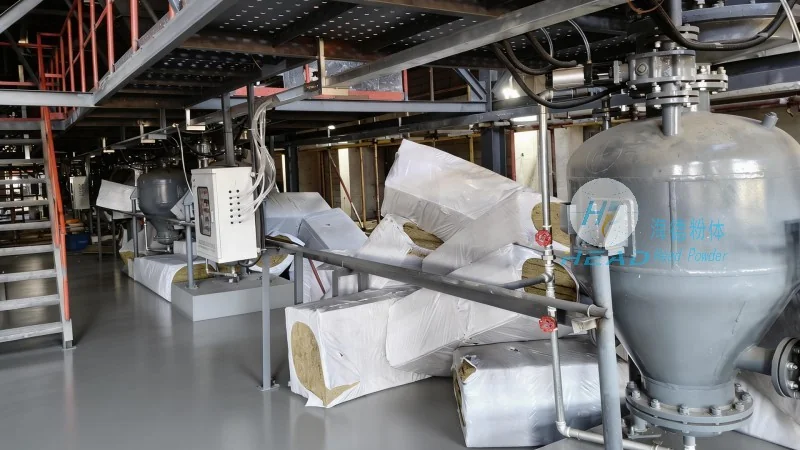
HeadPowder, a leading manufacturer based in Shandong, China, specializes in the design and production of high-quality neoprene material handling equipment. With a strong commitment to innovation and customer satisfaction, the company has established itself as a trusted partner in the field of industrial material transport solutions.
Working Principle of Neoprene Material Handling
The working principle of neoprene material handling systems revolves around the unique characteristics of neoprene rubber, which is known for its excellent resistance to chemicals, oils, and abrasion. Neoprene, also known as polychloroprene, is a synthetic rubber that combines the durability of natural rubber with superior resistance to environmental factors. In material handling applications, neoprene components such as conveyor belts, hoses, and seals are used to transport various materials, including chemicals, food products, and heavy industrial items.
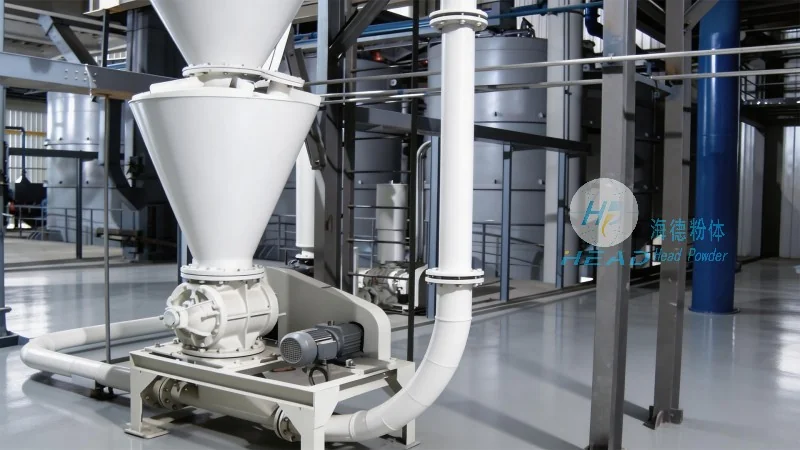
During the material handling process, neoprene conveyor belts, for example, utilize their flexibility and strength to move materials from one location to another. The belts are typically made from neoprene-coated fabrics or pure neoprene sheets, which provide a smooth surface that reduces friction and wear. The working principle involves the rotation of drive pulleys that pull the belt, transporting the loaded material along the desired path. The neoprene material's elasticity allows it to conform to the shape of the pulleys and idlers, ensuring consistent contact and preventing slippage. This mechanism ensures efficient and continuous material transport, minimizing downtime and maintenance costs.
Key Features of Neoprene Material Handling
Neoprene material handling systems are distinguished by several key features that make them ideal for demanding industrial environments. One of the most significant features is the material's exceptional chemical resistance. Neoprene can withstand exposure to a wide range of chemicals, including acids, bases, and solvents, making it suitable for transporting hazardous materials without degradation. This property is crucial in industries such as chemical processing, pharmaceuticals, and food processing, where material contamination must be strictly avoided.
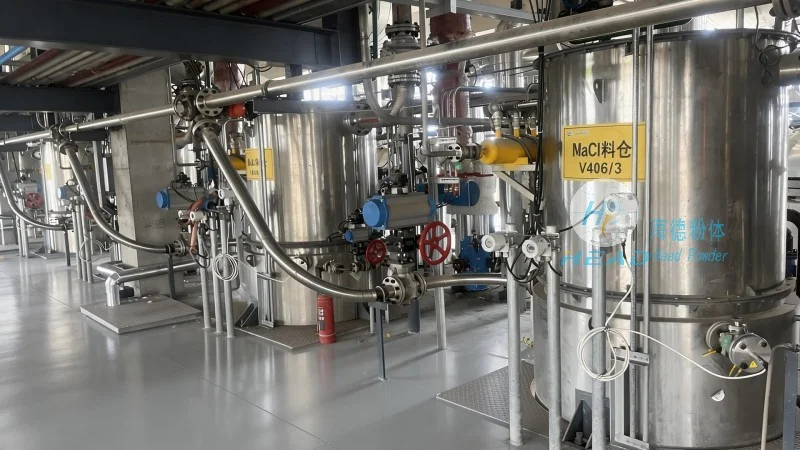
Another important feature is the high abrasion resistance of neoprene. The rubber's molecular structure provides a tough surface that can withstand repeated friction and impact, extending the lifespan of the handling equipment. This is particularly beneficial in applications involving heavy or abrasive materials, such as minerals, powders, and bulk solids. The durability of neoprene components reduces the frequency of replacements, leading to lower operational costs over time.
Neoprene also exhibits excellent weather resistance and UV stability, which is vital for outdoor or exposed material handling systems. Unlike natural rubber, neoprene does not degrade when exposed to sunlight or moisture, ensuring long-term performance in various environmental conditions. This feature makes neoprene suitable for both indoor and outdoor applications, including agricultural and construction industries.
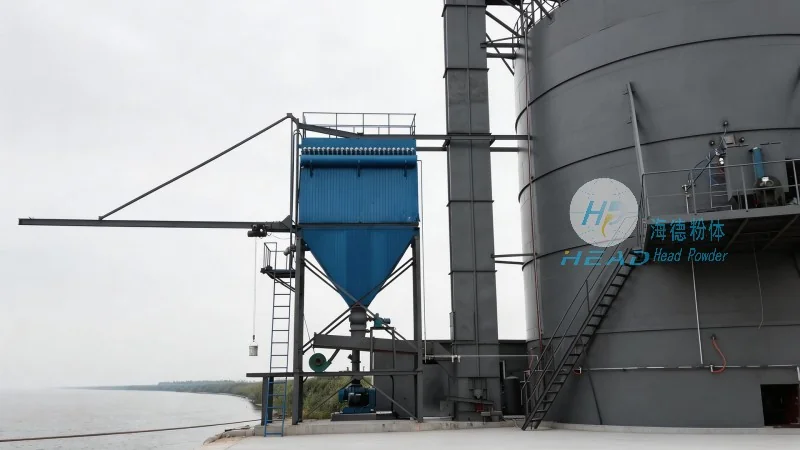
In addition to its physical properties, neoprene material handling systems offer flexibility and adaptability. The rubber can be molded into various shapes and sizes, allowing for customized solutions tailored to specific industrial needs. This flexibility enables manufacturers to design conveyor belts, hoses, and seals that fit precisely into existing equipment or new installations, optimizing material flow and reducing bottlenecks. The ability to customize the neoprene components ensures that the material handling system meets the exact requirements of the application, enhancing overall efficiency.
Conclusion
Neoprene material handling systems, as explained above, operate based on the unique properties of neoprene rubber, providing reliable and efficient transport solutions for a wide range of industrial materials. The working principle involves the use of neoprene components to move materials through conveyor systems, hoses, or other handling equipment, leveraging the material's resistance to chemicals, abrasion, and environmental factors. The key features of neoprene, including chemical resistance, abrasion resistance, weather resistance, and flexibility, make it an ideal choice for various industrial applications. HeadPowder, with its expertise in neoprene material handling, continues to provide high-quality solutions that meet the evolving needs of industries, ensuring safe and efficient material transport in diverse environments.




