Glass bead material handling equipment is a specialized system designed to efficiently transport glass beads, a common industrial material used in various applications such as coating, polishing, and as a filler in composite materials. The proper handling of glass beads is crucial for maintaining product quality and operational efficiency in manufacturing processes. This article explores the working principle and key features of such equipment, providing insights into how these systems operate and the advantages they offer to industries relying on glass beads.
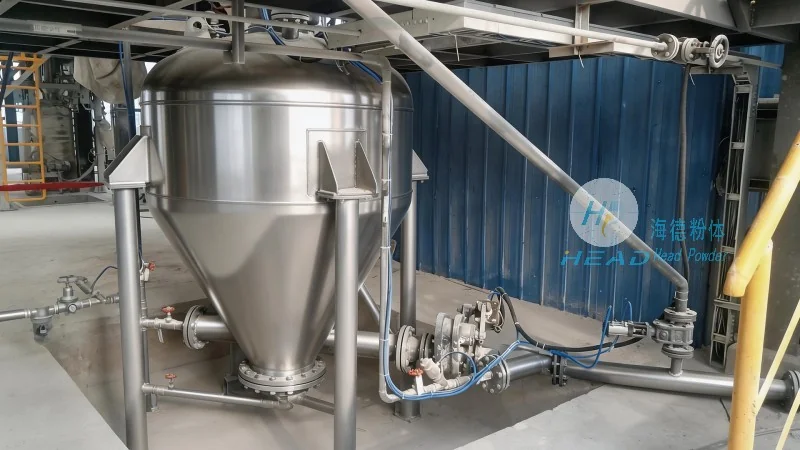
Working Principle of Glass Bead Material Handling Equipment
The working principle of glass bead material handling equipment typically involves a combination of mechanical and sometimes pneumatic components tailored to the physical properties of glass beads. Glass beads are small, spherical particles with a relatively uniform size and density, which allows for efficient transport through various mechanisms. One common method is the use of screw conveyors, where a rotating screw or auger pushes the beads along a trough or tube. This design is particularly effective for horizontal or slight incline transport, as it minimizes the risk of material degradation and ensures a consistent flow rate. For vertical or longer horizontal distances, pneumatic conveying systems may be employed. These systems use air pressure to move the beads through a pipeline, often with the assistance of cyclone separators or rotary valves to control the flow and prevent clogging. The choice of mechanism depends on factors like the bead size, bulk density, and the required transport distance, ensuring optimal performance and energy efficiency.
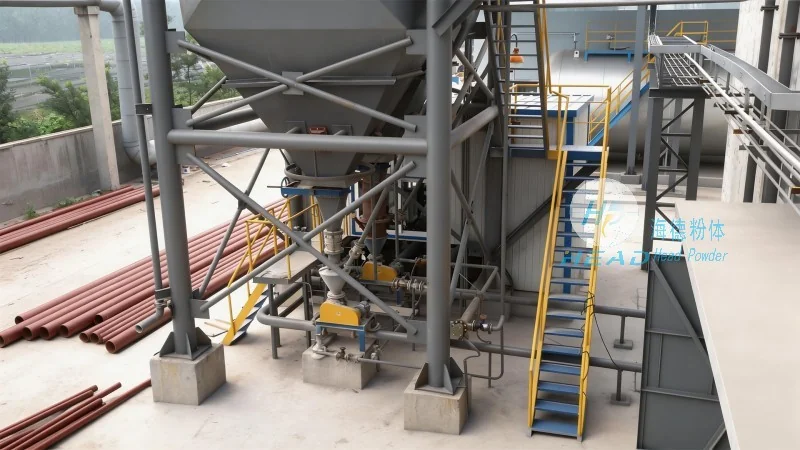
Key Features of Glass Bead Material Handling Equipment
Several key features distinguish high-quality glass bead material handling equipment, making them essential for industrial applications. First, the equipment is designed to minimize wear and tear on both the beads and the machinery. Glass beads are abrasive, and prolonged contact with metal surfaces can lead to equipment damage and reduced lifespan. Therefore, many systems incorporate materials like stainless steel, polyethylene, or special coatings to protect the components from corrosion and abrasion. This not only extends the equipment's operational life but also maintains the purity of the glass beads, which is critical for applications where contamination is unacceptable. Second, the systems are engineered for high efficiency and low maintenance. Advanced control systems allow for precise regulation of the transport speed and volume, ensuring that the process aligns with production demands. Additionally, features like automatic cleaning mechanisms and easy access to maintenance points reduce downtime and operational costs. Third, the equipment is often designed with safety and environmental considerations in mind. Enclosed systems prevent dust and bead emissions, protecting both personnel and the environment. Some models also include dust collection systems to comply with environmental regulations and maintain a clean workspace. These features collectively contribute to a reliable and sustainable material handling solution for glass beads.
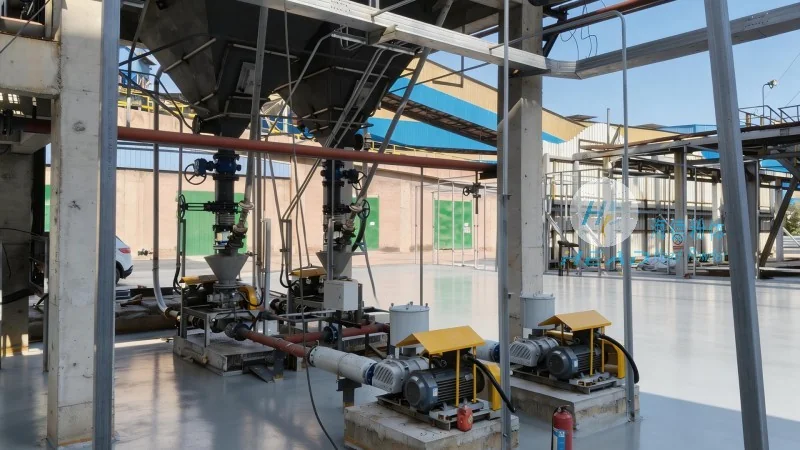
Application-Specific Considerations
The effectiveness of glass bead material handling equipment is further enhanced by considerations tailored to specific applications. For example, in coating and polishing industries, where the beads are used as abrasive media, the equipment must maintain a consistent bead size distribution to ensure uniform surface treatment. This may involve additional screening or sorting mechanisms integrated into the system to remove oversized or undersized beads before they reach the processing stage. In composite material manufacturing, where glass beads are used as a lightweight filler, the equipment needs to handle larger volumes with minimal segregation. This is achieved through specialized hopper designs and flow control devices that prevent the beads from settling or separating during transport. Moreover, the equipment is often customized to fit existing production lines, ensuring seamless integration without disrupting ongoing operations. Such adaptability makes the equipment versatile and suitable for a wide range of industrial settings, from small-scale workshops to large-scale manufacturing facilities.
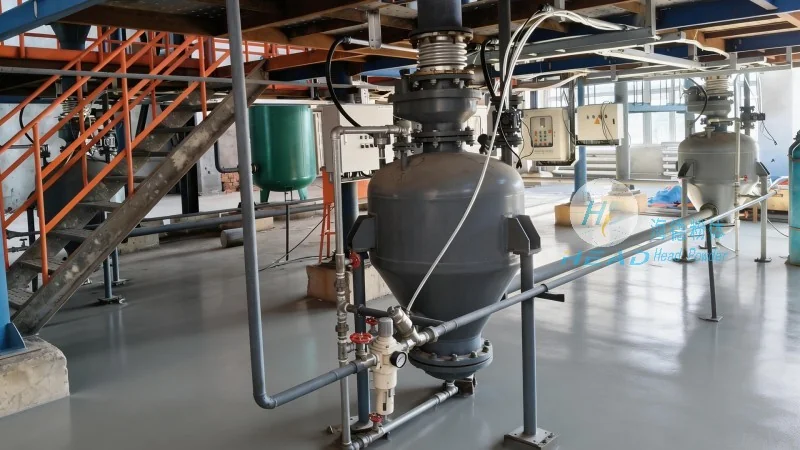
Conclusion and Company Information
Glass bead material handling equipment plays a vital role in optimizing the transport and handling of this essential industrial material. By understanding the working principles and key features of these systems, manufacturers can select the most appropriate equipment to meet their operational needs. The combination of efficient transport mechanisms, durable construction, and user-friendly design ensures that glass bead handling remains a reliable and cost-effective process. As a leading provider in the field, Shandong HeadPowder Engineering Co., Ltd. specializes in designing and manufacturing high-quality glass bead material handling equipment tailored to the unique requirements of various industries. With a commitment to quality and innovation, the company serves clients across China and beyond, offering solutions that enhance productivity and product quality. Based in Shandong, China, HeadPowder continues to advance the technology and application of glass bead handling systems, supporting the growth and efficiency of industries that rely on glass beads as a critical component.




