HeadPowder, a leading enterprise in the field of material handling solutions, specializes in the design, manufacturing, and installation of advanced conveying systems tailored for the lithium-ion battery industry. The lithium-ion battery powder material conveying line is a critical component in the production process of lithium batteries, ensuring efficient and safe transportation of raw materials such as cathode active material, anode material, and other powders. This article provides an in-depth look at the working principle and key features of such a conveying line, highlighting how it enhances productivity and operational safety in battery manufacturing facilities.
Working Principle of the Lithium-Ion Battery Powder Material Conveying Line
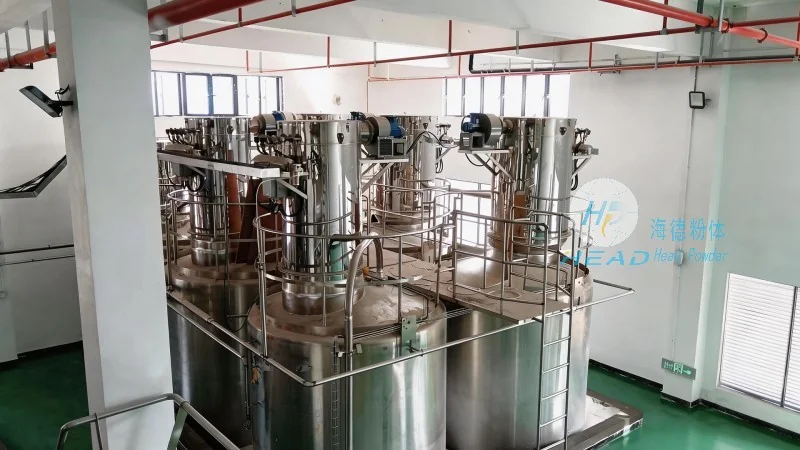
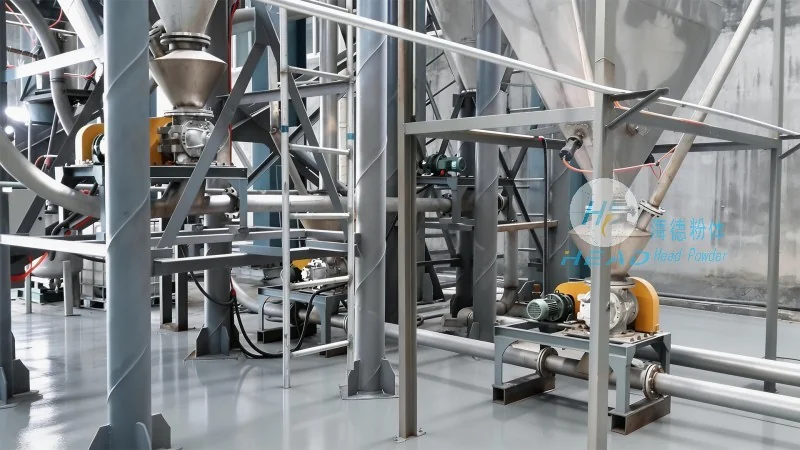
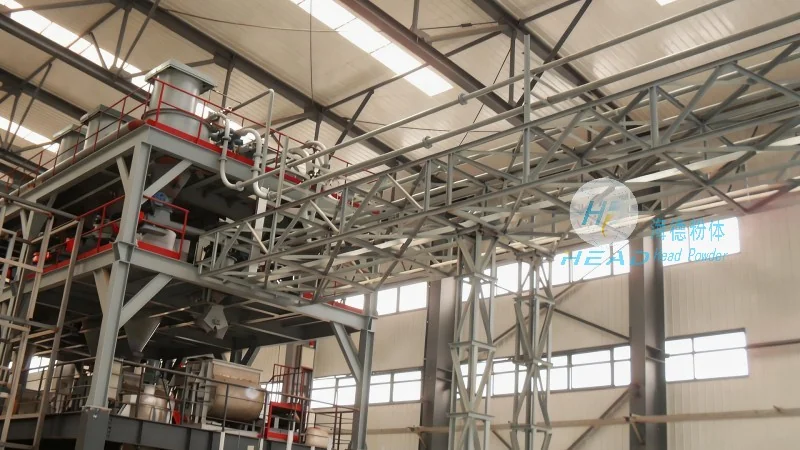
The lithium-ion battery powder material conveying line operates on the principle of mechanical transport, utilizing various types of conveyors to move bulk powders from storage areas to processing equipment. The core components typically include hoppers, feeders, conveyor belts or screw conveyors, and control systems. The process begins with the raw powder being fed into a hopper, where it is stored and prepared for transport. A feeder then regulates the flow of powder into the conveyor system, ensuring a consistent and controlled rate of material movement. The conveyor itself, whether a belt conveyor, screw conveyor, or pneumatic conveyor, transports the powder to the next stage of the production line, such as mixing, coating, or cell assembly. Control systems, often integrated with sensors and automation technology, monitor the flow rate, pressure, and other parameters to maintain optimal operation and prevent blockages or overloading. This systematic approach ensures that the powder is moved efficiently and safely, minimizing the risk of dust generation and material loss.
Key Features of the Lithium-Ion Battery Powder Material Conveying Line
Several key features distinguish the lithium-ion battery powder material conveying line from conventional conveying systems, making it ideal for the demanding requirements of battery manufacturing. Firstly, the line is designed with dust control measures, including sealed hoppers, enclosed conveyor systems, and dust collection systems, to prevent airborne contamination and ensure a clean working environment. This is crucial in the battery industry, where even small amounts of dust can affect the quality and performance of the final product. Secondly, the conveying system is equipped with high-precision feeding mechanisms, such as vibratory feeders or rotary valves, which provide accurate control over the material flow rate. This precision is essential for maintaining consistent material composition and preventing variations in the final battery cells. Thirdly, the line incorporates advanced automation and monitoring capabilities, allowing for real-time tracking of material levels, conveyor speed, and operational status. This enables operators to quickly identify and address any issues, reducing downtime and improving overall efficiency. Additionally, the conveying line is constructed with materials that are resistant to corrosion and wear, ensuring long-term durability and reliability in harsh industrial environments. The modular design of the system also allows for easy integration with existing production lines and future expansion, providing flexibility for growing manufacturing needs.




