Phosphorus pentoxide (P₂O₅) is a critical chemical compound widely used in various industrial applications, including the production of fertilizers, detergents, and specialty chemicals. The efficient and safe handling of P₂O₅ powder is essential to ensure process reliability and operational safety. Pneumatic conveying systems offer a robust solution for transporting this hazardous material, and understanding their working principles and key features is vital for optimizing industrial processes. This article provides an in-depth overview of the working principle and characteristics of P₂O₅ powder pneumatic conveying equipment, presented by Shandong HeadPowder Engineering Co., Ltd., a leading manufacturer in the field.
Working Principle of P₂O₅ Powder Pneumatic Conveying Systems
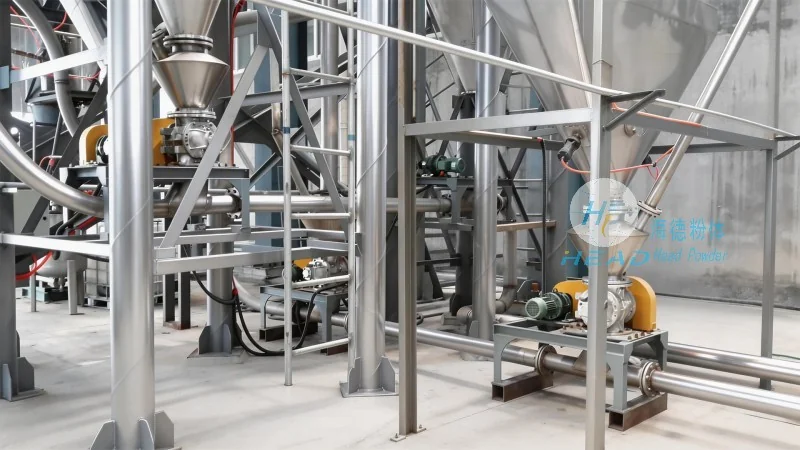
The core mechanism of P₂O₅ powder pneumatic conveying systems involves the use of air or gas to transport the powder from a source to a destination. The process typically operates on the principle of creating a pressure differential between the conveying line and the ambient environment. There are two primary modes of pneumatic conveying: dilute-phase and dense-phase. Dilute-phase systems rely on high-velocity air to suspend the powder particles, while dense-phase systems use lower velocities and higher pressure to push the material through the pipeline. For P₂O₅, which is hygroscopic and can cause corrosion or exothermic reactions if not handled properly, a dense-phase or semi-dense-phase system is often preferred to minimize material degradation and ensure safe transport. The system generally consists of a material feed hopper, a rotary airlock valve, a conveying pipeline, and a receiving hopper or silo. The feed hopper stores the P₂O₅ powder, and the rotary airlock valve controls the flow of material into the pipeline. The conveying pipeline transports the powder and air mixture to the receiving hopper, where the air is separated from the powder and typically recycled back to the system. The working principle can be summarized as follows: air is drawn into the system, mixed with the P₂O₅ powder, and then propelled through the pipeline by a positive displacement blower or a rotary lobe pump. The pressure and velocity of the air are carefully controlled to maintain the powder in a suspended state without causing excessive wear on the equipment. The system is designed to handle the specific properties of P₂O₅, such as its high reactivity and tendency to absorb moisture, by incorporating features like corrosion-resistant materials and temperature control mechanisms.
Key Features of P₂O₅ Powder Pneumatic Conveying Equipment
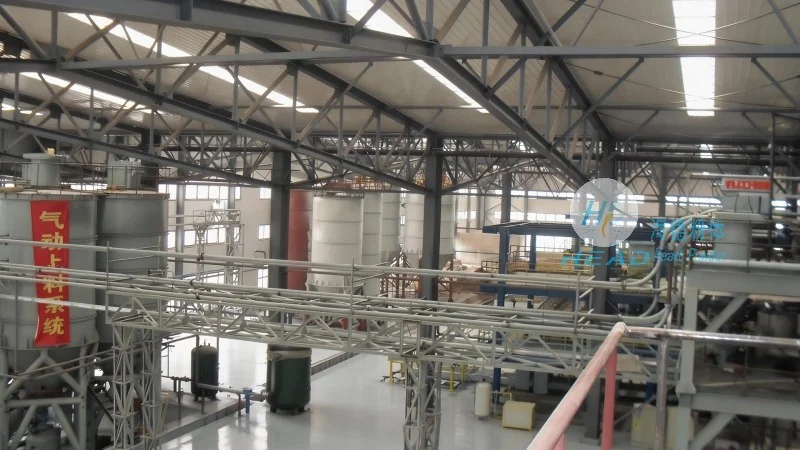
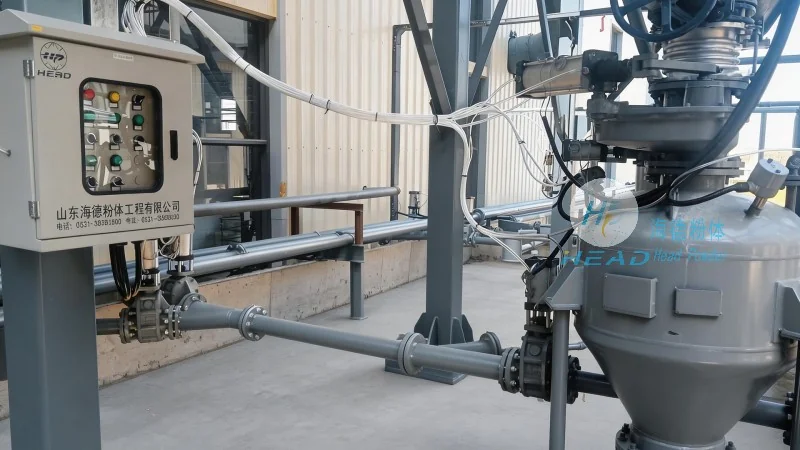
Shandong HeadPowder Engineering Co., Ltd. specializes in designing and manufacturing pneumatic conveying systems tailored to the unique requirements of P₂O₅ powder. The equipment features several key characteristics that enhance performance, safety, and reliability. First, the system incorporates corrosion-resistant materials, such as stainless steel or specialized alloys, to withstand the chemical properties of P₂O₅ and prevent equipment degradation. This is crucial because P₂O₅ is highly reactive and can cause corrosion in standard metal components. Second, the equipment is equipped with temperature control features to manage the exothermic reactions that may occur during transport. By maintaining a controlled temperature, the system prevents overheating and ensures the stability of the P₂O₅ powder. Third, the design includes dust collection and filtration systems to minimize airborne particulates and comply with environmental regulations. This is particularly important for P₂O₅, which is a hazardous material and requires strict handling protocols. Fourth, the system utilizes advanced control systems that allow for precise regulation of air flow, pressure, and material feed rate. These controls enable operators to optimize the conveying process and adjust parameters in real-time to maintain consistent performance. Additionally, the equipment is designed for easy maintenance and cleaning, with features like quick-release connections and accessible components that reduce downtime and operational costs. The combination of these features ensures that the P₂O₅ powder is transported safely and efficiently, meeting the demands of modern industrial applications.
Advantages of Using P₂O₅ Powder Pneumatic Conveying Systems
Implementing P₂O₅ powder pneumatic conveying systems offers several significant advantages over traditional methods, such as manual handling or mechanical conveying. One of the primary benefits is improved safety. Pneumatic systems eliminate the need for manual handling of hazardous materials, reducing the risk of exposure to P₂O₅ and minimizing the potential for accidents. This is particularly important given the corrosive and reactive nature of P₂O₅, which can cause severe health issues if inhaled or contacted. Second, the systems enhance process efficiency by providing a continuous and automated transport solution. Unlike mechanical conveyors, which may require frequent maintenance and adjustments, pneumatic systems operate with minimal downtime, ensuring a steady flow of material. This leads to increased productivity and reduced operational costs. Third, the equipment offers flexibility in terms of layout and integration with existing industrial processes. Pneumatic conveying lines can be easily installed and reconfigured to accommodate changes in production requirements or facility expansions. Fourth, the systems provide better material control and consistency. By controlling the air flow and material feed rate, operators can maintain a consistent powder concentration and flow rate, which is critical for processes that require precise material handling. Finally, the use of P₂O₅ powder pneumatic conveying systems contributes to environmental sustainability by reducing waste and minimizing the release of airborne particulates. The integrated dust collection and filtration systems help to comply with environmental regulations and protect the surrounding environment.
Conclusion
Phosphorus pentoxide powder pneumatic conveying equipment, as manufactured by Shandong HeadPowder Engineering Co., Ltd., represents a sophisticated and reliable solution for the safe and efficient handling of this critical chemical compound. The working principle, which relies on air or gas to transport the powder while maintaining a controlled environment, is designed to address the unique challenges posed by P₂O₅, including its reactivity, hygroscopic nature, and potential for corrosion. The key features of the equipment, such as corrosion-resistant materials, temperature control, and advanced control systems, ensure optimal performance and safety. The advantages of using these systems, including enhanced safety, improved efficiency, and environmental compliance, make them an essential component of modern industrial operations. By leveraging the expertise of Shandong HeadPowder Engineering Co., Ltd., industries can achieve reliable and cost-effective transport of P₂O₅ powder, supporting their production processes and contributing to overall operational success.




