For industrial applications involving iron sand materials, understanding the mechanics of pneumatic conveying is crucial for optimizing material handling processes. Pneumatic conveying systems utilize air or gas to transport bulk materials like iron sand from one location to another, offering a flexible and efficient alternative to traditional methods such as belt conveyors or bucket elevators. This article explores the working principle and key characteristics of pneumatic conveying for iron sand, providing insights into how these systems operate and their advantages in material transport.
Working Principle of Pneumatic Conveying for Iron Sand
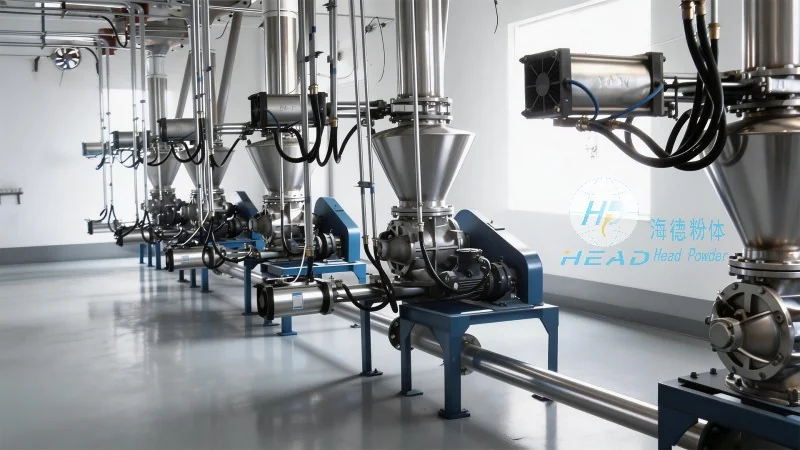
The core of pneumatic conveying for iron sand lies in the use of air pressure to move particles through a pipeline. The process typically involves a hopper where iron sand is stored, a blower or compressor that generates the necessary airflow, and a pipeline network that transports the material to the destination. There are two primary modes of pneumatic conveying: aspiration (or suction) and pressure (or blow) systems. In aspiration systems, the air is drawn through the material, creating a negative pressure that pulls the iron sand particles into the pipeline. This method is ideal for handling materials that are light or have a low bulk density. Conversely, pressure systems use a positive pressure to push the material through the pipeline, which is more suitable for materials with higher bulk density or those requiring a higher conveying distance.
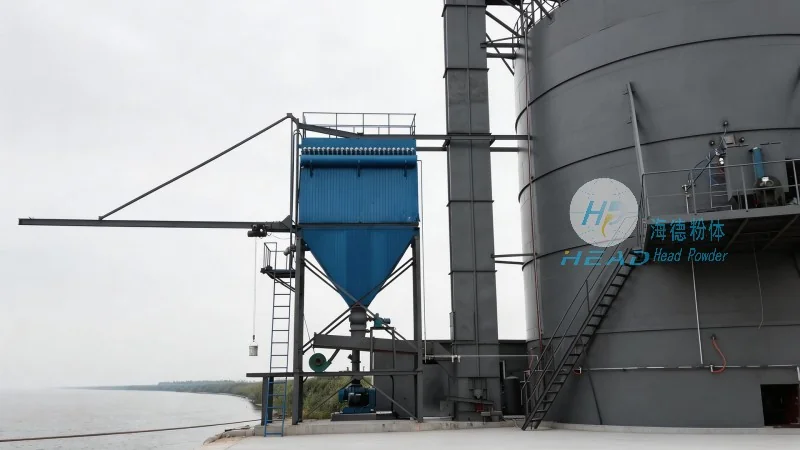
During the conveying process, the iron sand particles are suspended in the air stream, moving along the pipeline. The velocity of the air must be sufficient to keep the particles airborne and prevent them from settling or clogging the system. Proper design of the pipeline, including the use of bends, elbows, and expansion joints, is essential to maintain the air flow and particle suspension. Additionally, the system may include a filter or cyclone separator at the receiving end to separate the iron sand from the air, ensuring that the material is delivered in a clean and dry state.
Key Features and Advantages of Pneumatic Conveying for Iron Sand
Pneumatic conveying for iron sand offers several distinct advantages that make it a preferred choice in many industrial settings. One of the most significant benefits is its ability to handle materials with high moisture content or those that are prone to dust generation. Unlike mechanical conveyors, which can cause material degradation or contamination, pneumatic systems can transport iron sand without direct contact, preserving its quality and reducing the risk of dust exposure. This is particularly important in applications where the iron sand is used for manufacturing or processing, as maintaining its purity is critical.
Another key feature is the flexibility of pneumatic conveying systems. They can be easily integrated into existing production lines or modified to accommodate changes in material flow rates or destination points. The ability to transport iron sand over long distances without the need for multiple transfer points or intermediate storage reduces operational complexity and costs. Furthermore, pneumatic systems are generally more compact and require less floor space compared to traditional conveyor systems, making them suitable for facilities with limited space.
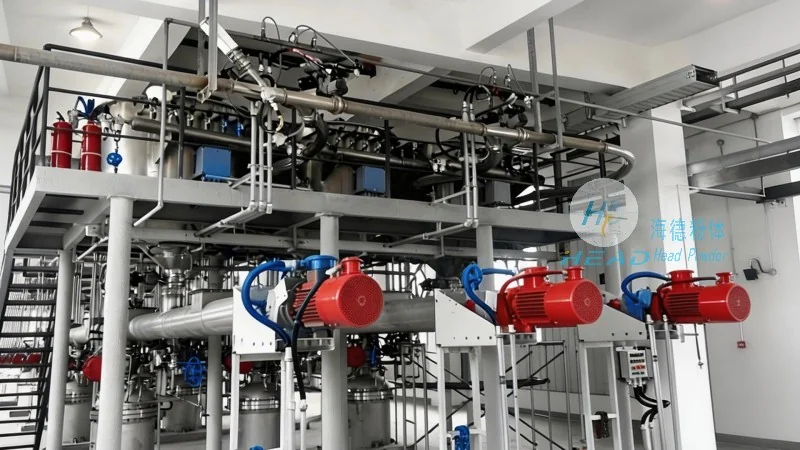
Efficiency and reliability are also major advantages of pneumatic conveying for iron sand. Modern systems are equipped with advanced controls and monitoring technologies that ensure consistent performance and minimize downtime. The use of high-efficiency blowers and optimized pipeline designs results in lower energy consumption compared to other material handling methods. Additionally, the absence of moving parts in the conveying line reduces maintenance requirements, leading to lower operational costs over the system's lifespan.
Application Examples and Industry Impact
Pneumatic conveying for iron sand is widely used in various industries, including mining, construction, and manufacturing. In mining operations, it is used to transport iron sand from ore processing plants to storage facilities or for further processing. In construction, it helps in the efficient delivery of iron sand to concrete mixing plants or construction sites. The manufacturing sector, particularly in metalworking and foundries, utilizes pneumatic conveying to transport iron sand for casting and molding processes.
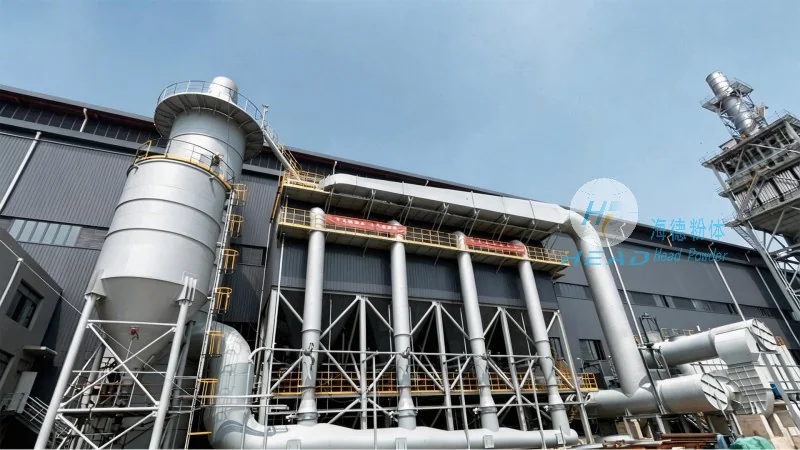
The adoption of pneumatic conveying systems has significantly improved the efficiency and safety of material handling operations. By eliminating the need for manual handling or mechanical conveyors that may cause dust-related health issues, these systems contribute to a safer working environment. Moreover, the ability to transport iron sand in a controlled manner reduces material loss and waste, enhancing overall operational efficiency.
Conclusion and Company Overview
Pneumatic conveying for iron sand is a highly effective and versatile method for material transport, offering numerous advantages in terms of efficiency, flexibility, and safety. The working principle, which relies on air pressure to move particles through a pipeline, combined with its key features such as dust control, low maintenance, and space efficiency, makes it an ideal solution for industrial applications. As a leading provider in the field, Shandong HeadPowder Engineering Co., Ltd. specializes in designing and manufacturing customized pneumatic conveying systems tailored to the specific needs of iron sand handling. With a focus on innovation and quality, HeadPowder ensures that its solutions meet the highest standards of performance and reliability, helping clients optimize their material handling processes and achieve operational excellence.




