For industrial operations that require efficient and reliable material handling, especially in the processing of bulk materials and ingredients, pneumatic conveyors have become an essential piece of equipment. These systems are designed to transport powders, granules, and other dry materials through a pipeline using air pressure or vacuum. Among the various types available, the bulk material and ingredient mixing pneumatic conveyor stands out due to its specialized capabilities in combining different components while ensuring consistent flow and quality control. This article explores the working principle and key features of such a system, highlighting its applications and benefits in industrial settings.
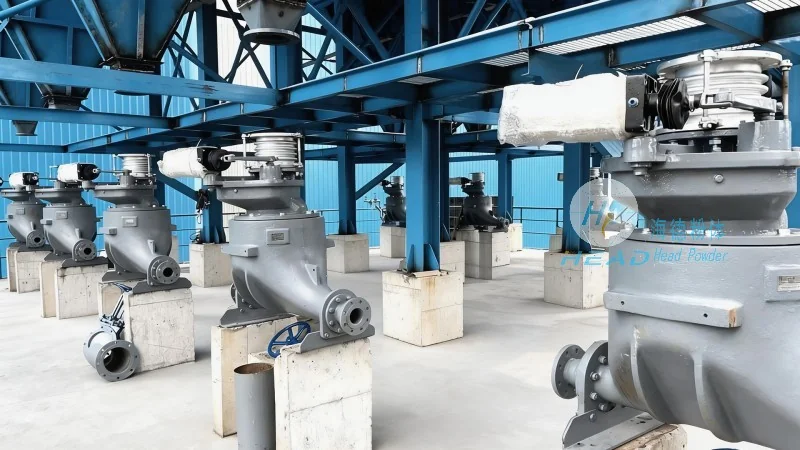
Working Principle of a Bulk Material and Ingredient Mixing Pneumatic Conveyor
The core of a pneumatic conveyor system lies in its ability to use air as the medium for transporting materials. In a mixing pneumatic conveyor, the process typically begins with the feeding of individual ingredients or bulk materials into the conveyor's inlet. The system then uses a combination of positive pressure (blowing air) or negative pressure (suction) to move the materials through the pipeline. The mixing mechanism is integrated into the conveyor design, often through a series of chambers or a rotating mixing drum that ensures thorough blending as the materials travel. The air flow is controlled by a blower or vacuum pump, which adjusts the velocity and pressure to maintain optimal material transport and mixing efficiency. The system may also include a control panel that monitors and regulates the air pressure, flow rate, and mixing parameters to achieve consistent results. This integrated approach allows for precise control over the mixing process, ensuring that the final product has uniform composition and quality.
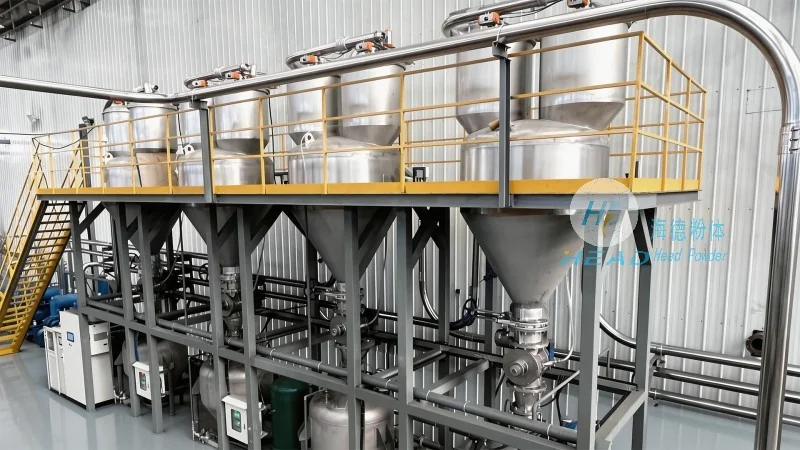
Key Features of the Pneumatic Conveyor for Mixing Bulk Materials and Ingredients
Several distinct features make the bulk material and ingredient mixing pneumatic conveyor an ideal choice for industrial applications. First, its ability to handle a wide range of materials, from fine powders to larger granules, without the need for additional equipment like hoppers or conveyors. The system's design accommodates different particle sizes and densities, making it versatile for various industries, including food processing, pharmaceuticals, and chemical manufacturing. Second, the mixing functionality is a standout feature, as it eliminates the need for separate mixing equipment and reduces the risk of contamination or segregation. The integrated mixing chamber ensures that ingredients are thoroughly combined, resulting in a homogeneous product that meets strict quality standards. Third, the system offers high efficiency and low maintenance requirements. By using air as the transport medium, there are no moving parts in direct contact with the materials, reducing wear and tear and minimizing the need for frequent repairs. The air system is also relatively simple to maintain, with components like filters and blower motors that are easy to service. Fourth, the conveyor provides excellent control over the mixing process, allowing operators to adjust parameters such as air pressure, flow rate, and mixing time to achieve the desired product consistency. This level of control is crucial for industries where product specifications must be tightly regulated. Additionally, the system's compact design makes it suitable for installations with limited space, and its modular construction allows for easy integration into existing production lines.
Applications and Benefits in Industrial Settings
The bulk material and ingredient mixing pneumatic conveyor is widely used in industries where the consistent mixing of dry materials is critical. In the food industry, it is employed in the production of flour mixes, snack foods, and powdered beverages, ensuring that ingredients like sugar, salt, and flavorings are evenly distributed. In pharmaceutical manufacturing, the system is used to blend active ingredients and excipients, maintaining the purity and efficacy of the final product. The chemical industry also benefits from this technology, as it can handle a variety of chemicals and powders, including those that are sensitive to moisture or temperature changes. The benefits of using such a system extend beyond mixing efficiency. The pneumatic conveyor reduces labor costs by automating the material handling and mixing process, and it minimizes product loss and contamination. Furthermore, the system's ability to operate in a closed environment helps maintain hygiene standards, which is essential in industries like food and pharmaceuticals. Overall, the integration of material transport and mixing in a single system provides significant advantages in terms of cost-effectiveness, productivity, and product quality.
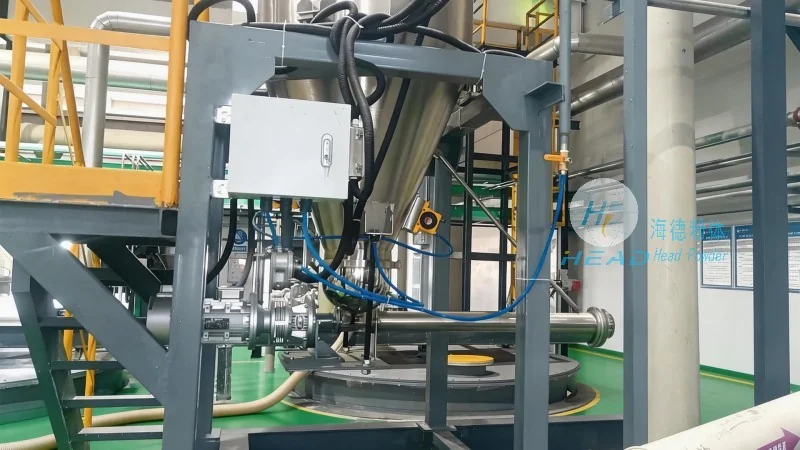
About Shandong HeadPowder Engineering Co., Ltd.
Shandong HeadPowder Engineering Co., Ltd., commonly known as HeadPowder, is a leading manufacturer of industrial material handling equipment. With a focus on innovation and quality, the company specializes in designing and producing pneumatic conveyors, mixers, and related systems for various industries. HeadPowder's products are engineered to meet the specific needs of clients, ensuring reliability, efficiency, and durability. The company's headquarters is located in Shandong, China, where it has a dedicated team of engineers and technicians who work to develop cutting-edge solutions for material handling challenges. HeadPowder's commitment to customer satisfaction and technological advancement has made it a trusted partner for businesses seeking high-performance equipment for their production processes.




