HeadPowder, a leading engineering company based in Shandong, China, specializes in the design and implementation of advanced pneumatic conveying systems tailored for the lithium-ion battery industry. The lithium-ion battery positive electrode, a critical component in modern energy storage solutions, requires efficient and reliable material handling to ensure high-quality production. This article explores the fundamental principles of pneumatic conveying systems used for transporting positive electrode materials and highlights the key working scene characteristics that define their application in battery manufacturing.
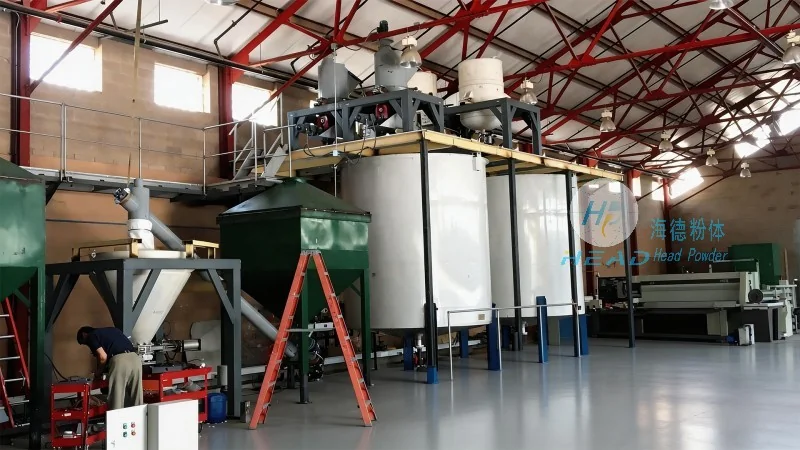
Principle of Pneumatic Conveying for Positive Electrode Materials
The pneumatic conveying system operates by utilizing air or gas to transport bulk materials through a pipeline network. For lithium-ion battery positive electrode materials, such as lithium cobalt oxide (LCO), lithium nickel manganese cobalt oxide (NMC), or lithium iron phosphate (LFP), the system typically employs a positive pressure or negative pressure (vacuum) method. In a positive pressure system, compressed air is introduced at the material inlet, creating a flow that propels the particles through the pipeline. The system is equipped with components like feeders, cyclones, and filters to control the material flow rate and ensure particle separation. The negative pressure system, on the other hand, uses a vacuum at the material outlet to draw the material into the pipeline. Both methods are designed to minimize material degradation, maintain particle integrity, and prevent contamination, which are essential for the high-performance requirements of battery electrodes.
Working Scene Characteristics of the System
The working scene characteristics of the lithium-ion battery positive electrode pneumatic conveying system are closely tied to the specific production processes and operational environments in battery manufacturing facilities. These characteristics include:
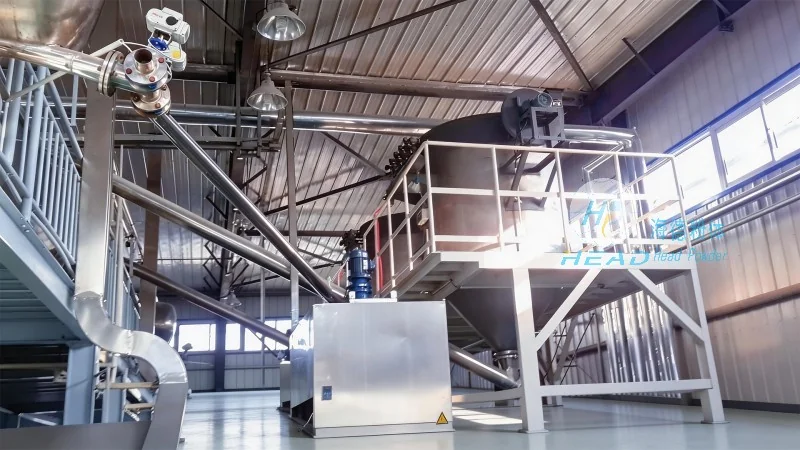
- High-Precision Material Handling: The system is designed to handle fine powders with particle sizes ranging from sub-micron to several microns, ensuring that the material properties are preserved during transport. This precision is crucial for maintaining the electrochemical performance of the battery electrodes.
- Continuous and Batch Operation Flexibility: The system can operate in both continuous and batch modes, adapting to different production schedules and material requirements. In continuous operation, the system maintains a steady flow of material, while batch operation allows for the transport of specific material batches as needed.
- Integration with Production Lines: The pneumatic conveying system is often integrated with other production equipment, such as mixers, granulators, and coating machines, to form a seamless material flow process. This integration enhances efficiency and reduces manual handling, which can introduce contamination or errors.
- Environmental Control: The system is equipped with dust collection and filtration systems to control air emissions and maintain a clean working environment. This is particularly important in battery manufacturing, where particle contamination can affect the quality of the final product.
- Space Efficiency: The pneumatic conveying system uses a network of pipelines to transport materials over long distances with minimal floor space requirements. This makes it suitable for compact production facilities where space is limited.
Application Scenarios in Battery Manufacturing
The lithium-ion battery positive electrode pneumatic conveying system is widely used in various stages of battery production, including material preparation, mixing, coating, and packaging. For example, in the material preparation stage, the system can transport raw materials from storage silos to mixing equipment. During the mixing process, the system ensures uniform distribution of active materials, conductive agents, and binders. In the coating stage, the system delivers the mixed slurry to the coating machine, where it is applied to the current collector. Finally, in the packaging stage, the system can transport the finished electrode sheets to the final assembly line.
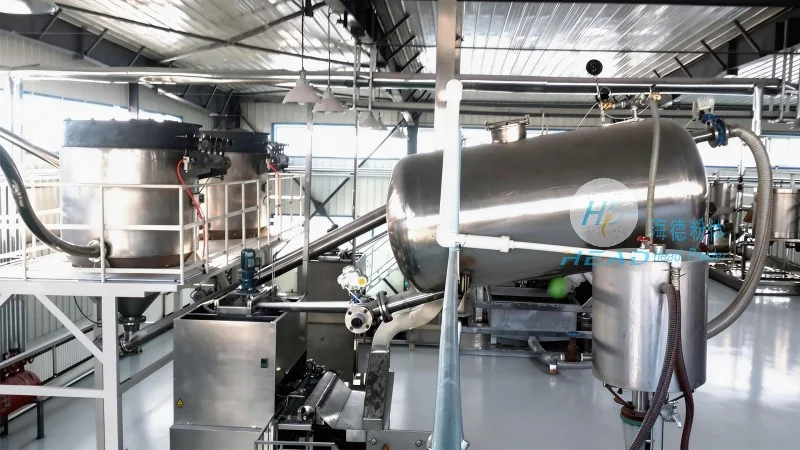
Advantages of Using Pneumatic Conveying Systems
Implementing a pneumatic conveying system for lithium-ion battery positive electrode materials offers several advantages over traditional mechanical conveying methods. These include:
- Reduced Material Loss and Contamination: The enclosed pipeline system minimizes material exposure to the environment, reducing dust generation and the risk of contamination from external sources.
- Improved Process Control: The system allows for precise control of material flow rates, pressure, and temperature, which is critical for maintaining consistent product quality.
- Enhanced Safety: The enclosed system reduces the risk of dust explosions and improves workplace safety by minimizing the presence of airborne particles.
- Increased Efficiency and Productivity: The continuous operation and integration with other production equipment lead to higher throughput and reduced downtime, improving overall production efficiency.
Conclusion
HeadPowder's expertise in designing and manufacturing lithium-ion battery positive electrode pneumatic conveying systems addresses the critical needs of the battery industry. By leveraging advanced engineering principles and tailored solutions, the company ensures that material handling processes are efficient, reliable, and compliant with industry standards. The working scene characteristics of these systems, including precision, flexibility, and integration capabilities, make them indispensable in modern battery manufacturing facilities. As the demand for lithium-ion batteries continues to grow, the importance of robust material handling systems like pneumatic conveying will only increase, supporting the production of high-performance energy storage solutions.




