Foam plastic pneumatic conveying machines represent a sophisticated solution for material handling, particularly in industries dealing with lightweight, low-density materials like foam plastics. These systems utilize air pressure to transport materials from one location to another, offering advantages such as dust-free operation, low maintenance, and the ability to handle fragile or sensitive products. Understanding the underlying principles and the specific characteristics of these machines in various working environments is crucial for optimizing their performance and ensuring efficient material flow.
Company Introduction: HeadPowder
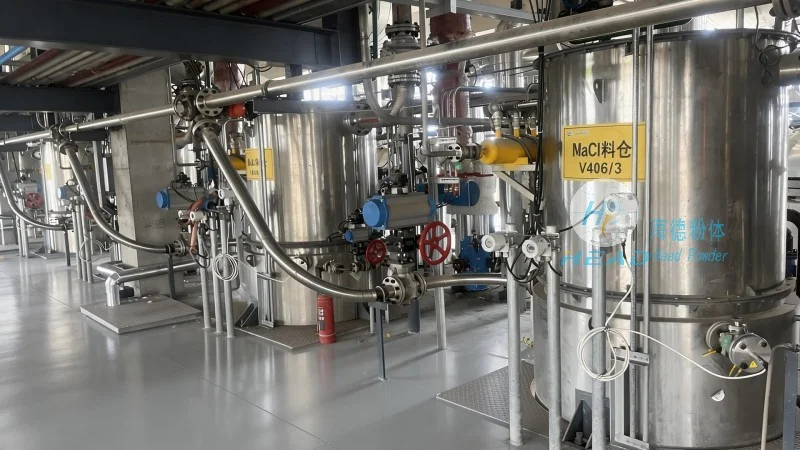
HeadPowder, formally known as Shandong HeadPowder Engineering Co., Ltd., is a leading manufacturer and supplier of pneumatic conveying systems. With a base in Shandong, China, the company specializes in designing, manufacturing, and installing customized solutions tailored to the unique needs of different industries. HeadPowder's expertise lies in creating efficient, reliable, and cost-effective pneumatic conveying equipment, including foam plastic pneumatic conveying machines, that meet the highest standards of performance and durability.
Principle of Foam Plastic Pneumatic Conveying Machines
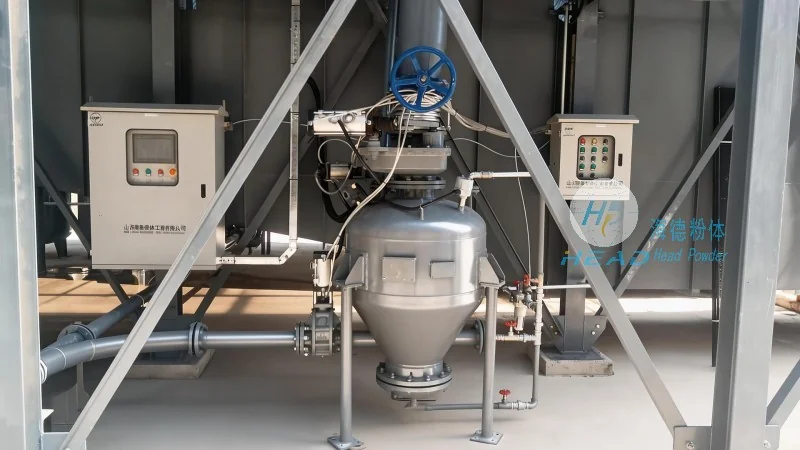
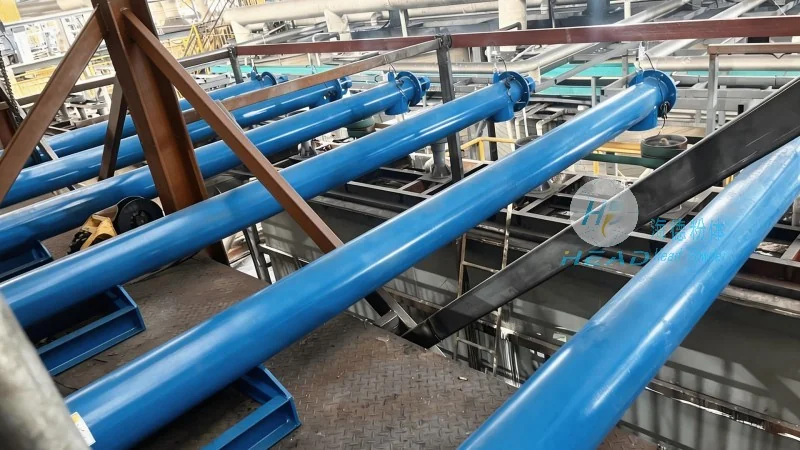
The core principle of foam plastic pneumatic conveying machines is the use of air pressure to move materials through a pipeline system. In these systems, a blower or compressor generates a flow of air, which is then directed into a hopper containing the foam plastic material. As the air flows, it lifts and transports the material particles through the pipeline to the destination point. The process typically involves several key components, including a hopper for material storage, a blower for air supply, a pipeline network for material transport, and a receiver for material discharge. The air velocity and pressure are carefully controlled to ensure that the foam plastic particles are conveyed without damage or degradation. This pneumatic method eliminates the need for mechanical components like belts or screws, reducing friction and wear, and minimizing the risk of material contamination.
Working Scene Characteristics
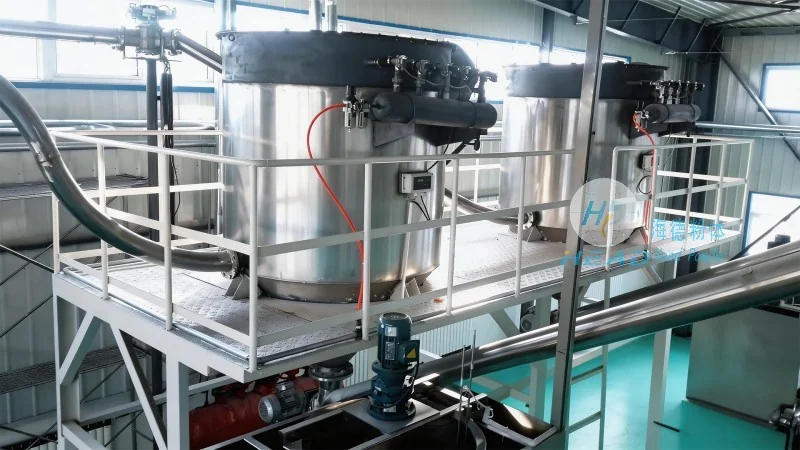
The working scene characteristics of foam plastic pneumatic conveying machines vary significantly based on the application and the environment in which they are used. In manufacturing facilities, these machines are commonly employed in production lines where foam plastic parts need to be transferred from molding stations to assembly areas or storage locations. The dust-free nature of pneumatic conveying is particularly beneficial in cleanroom environments or where material contamination must be strictly avoided. Additionally, the flexibility of pneumatic systems allows for easy integration with existing production lines, enabling seamless material flow and reducing downtime. In industrial settings, such as packaging plants or recycling facilities, foam plastic pneumatic conveying machines can handle large volumes of material efficiently, supporting high-speed production processes. The ability to transport materials over long distances without the need for intermediate handling points makes these systems ideal for large-scale operations. Furthermore, the quiet operation of pneumatic conveying systems is advantageous in noise-sensitive environments, contributing to a safer and more comfortable working atmosphere. Overall, the working scene characteristics of foam plastic pneumatic conveying machines are defined by their efficiency, adaptability, and suitability for handling lightweight, low-density materials in diverse industrial applications.




