For agricultural processing industries, especially those dealing with cassava, efficient material handling is crucial. The cassava pneumatic conveying system equipment, developed by Shandong HeadPowder Engineering Co., Ltd., offers a reliable solution for transporting cassava and related products. This article explores the fundamental principles and operational characteristics of such systems, highlighting their role in optimizing production workflows.
Principle of the Cassava Pneumatic Conveying System
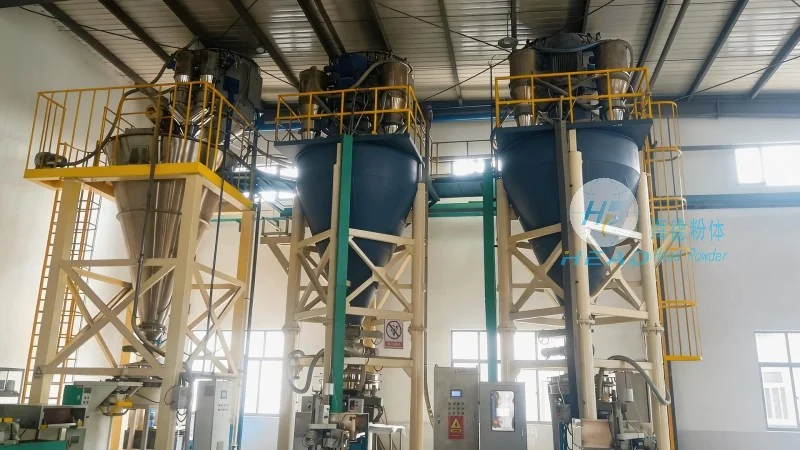
The core of a pneumatic conveying system lies in the use of air to transport bulk materials like cassava through a pipeline. The system typically operates on either pressure or vacuum principles. In a pressure system, a blower or compressor generates high-pressure air that pushes the material through the pipeline. The material is often mixed with the air in a hopper or feeder, where it is then drawn into the pipeline by the moving air stream. This method is suitable for short to medium distances and can handle a wide range of particle sizes. The vacuum system, on the other hand, uses a vacuum pump to create a low-pressure environment, pulling the material from the source into the pipeline. This approach is ideal for longer distances or when the material needs to be transported from multiple points. The choice between pressure and vacuum depends on factors such as the distance, material characteristics, and required flow rate. The system components include a hopper, feeder, air compressor or vacuum pump, pipeline, and a discharge unit. The hopper stores the cassava, while the feeder controls the material flow rate. The air compressor or vacuum pump provides the necessary air pressure or vacuum to move the material. The pipeline transports the material from the source to the destination, and the discharge unit releases the material at the end of the pipeline. The system's efficiency is enhanced by the design of the hopper and feeder, which ensures a consistent flow of material and prevents blockages. The air flow rate is carefully controlled to maintain the material in a suspended state, preventing it from settling or clogging the pipeline. This principle allows for a continuous and automated material handling process, reducing labor costs and improving production efficiency.
Working Scene Characteristics of the System
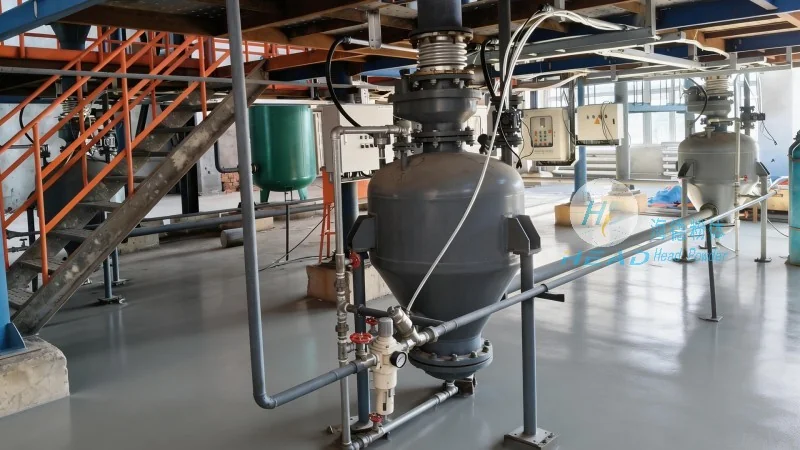
The cassava pneumatic conveying system is designed to operate in various agricultural processing environments. Its flexibility allows it to be integrated into different production lines, from raw cassava reception to processing and storage. The system is particularly suited for scenarios where material needs to be transported over long distances or through multiple stages of processing. For example, in a cassava starch production facility, the system can transport raw cassava from the reception area to the washing and peeling units. In a cassava flour processing plant, it can move processed cassava from the grinding stage to the drying and packaging areas. The system's ability to handle large volumes of material makes it ideal for high-throughput operations. Additionally, the system is designed to be durable and resistant to the abrasive nature of cassava particles, ensuring long-term reliability. The working scene characteristics also include the system's adaptability to different production scales. It can be scaled up or down to meet the needs of small, medium, or large-scale operations. The system's modular design allows for easy expansion or modification as production requirements change. This adaptability makes it a versatile solution for various agricultural processing applications. The system's operational characteristics, such as low maintenance requirements and energy efficiency, further enhance its suitability for different working environments. The use of pneumatic conveying reduces the need for manual handling, improving safety and reducing the risk of material contamination. The system's quiet operation also minimizes noise pollution in the working environment, contributing to a better working atmosphere.
Application Advantages of the Cassava Pneumatic Conveying System
Implementing a cassava pneumatic conveying system offers several advantages for agricultural processing businesses. One of the key benefits is the improvement in production efficiency. By automating the material handling process, the system reduces the time and labor required to transport cassava and related products. This allows for a more streamlined workflow, enabling the processing facility to handle larger volumes of material in less time. The system's ability to operate continuously without interruption further enhances productivity. Another advantage is the reduction in material loss and contamination. Unlike traditional methods like belt conveyors or manual handling, pneumatic conveying minimizes the risk of material spillage or exposure to contaminants. The enclosed pipeline system ensures that the material remains clean and free from external factors, which is crucial for maintaining product quality. The system also contributes to energy savings. By optimizing the air flow rate and using efficient components, the system reduces energy consumption compared to other material handling methods. This not only lowers operational costs but also aligns with sustainability goals. The system's durability and low maintenance requirements also contribute to long-term cost savings. The use of high-quality materials and robust design ensures that the system can withstand the harsh conditions of agricultural processing, reducing the need for frequent repairs or replacements. Additionally, the system's flexibility allows for easy integration with existing production lines, minimizing downtime during installation or upgrades. This adaptability makes it a cost-effective solution for businesses looking to enhance their material handling capabilities.
Conclusion
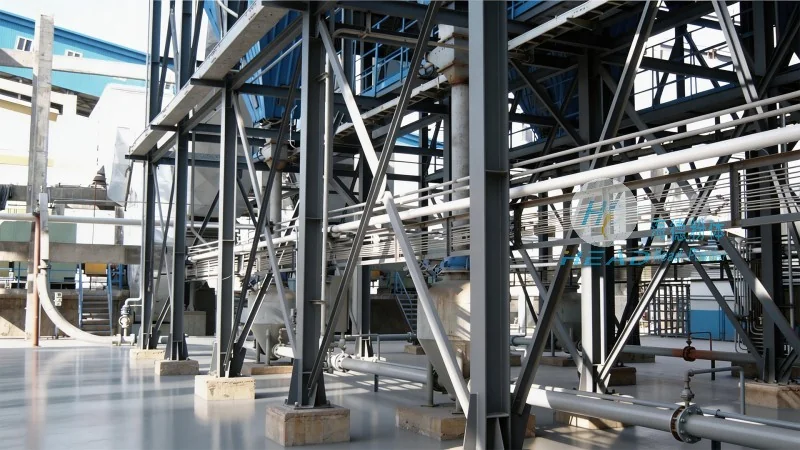
The cassava pneumatic conveying system equipment from Shandong HeadPowder Engineering Co., Ltd. represents a sophisticated solution for efficient material handling in agricultural processing. By leveraging pneumatic principles, the system offers a reliable, automated, and energy-efficient method for transporting cassava and related products. Its design and operational characteristics make it suitable for various working environments and production scales. The system's ability to improve production efficiency, reduce material loss, and lower operational costs makes it an attractive investment for businesses in the cassava processing industry. As the demand for efficient agricultural processing equipment grows, the pneumatic conveying system continues to play a vital role in optimizing production workflows and enhancing overall operational performance. The system's durability and adaptability ensure that it remains a valuable asset for businesses looking to stay competitive in the market.




