HeadPowder, a leading engineering firm based in Shandong, China, specializes in the design and implementation of efficient sand and gravel powder conveying systems. This article explores the fundamental principles behind these systems and highlights key operational characteristics that define their effectiveness in various industrial applications.
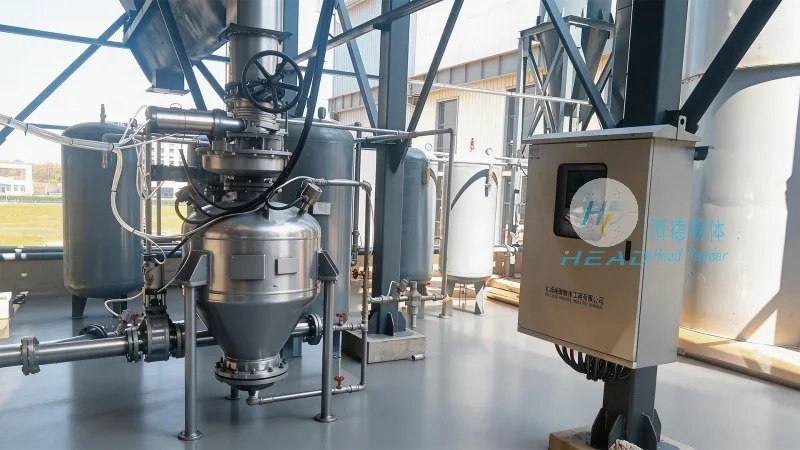
Principles of Sand and Gravel Powder Conveying
The core principle of sand and gravel powder conveying involves the movement of fine particulate materials, such as sand, gravel, and other granular substances, from one location to another. This process typically relies on mechanical or pneumatic methods to transport these materials with precision and reliability. The primary goal is to ensure smooth, continuous flow while minimizing material degradation, clogging, or loss during transit.
One of the fundamental principles is the use of appropriate equipment tailored to the specific properties of the material being conveyed. For instance, headpowder’s systems often incorporate high-efficiency pumps, flexible hoses, or air compressors that are designed to handle the abrasive nature of sand and gravel. The selection of conveying methods—such as pneumatic conveying, mechanical screw conveyors, or vacuum systems—depends on factors like material density, particle size, and the distance over which the material needs to be transported.
Another critical principle is the maintenance of consistent pressure and flow rates. In pneumatic conveying systems, for example, the pressure differential between the inlet and outlet plays a crucial role in ensuring that the material moves smoothly through the pipeline. Properly sized ducts and valves are essential to regulate this pressure, preventing issues like blockages or uneven flow. Mechanical systems, such as screw conveyors, rely on the rotation of screws to push material forward, requiring precise speed control to avoid overloading or damage to the equipment.
Key Working Scene Characteristics
The operational characteristics of sand and gravel powder conveying systems are shaped by the specific environments in which they are deployed. These characteristics include factors like material handling efficiency, system reliability, and adaptability to varying conditions.
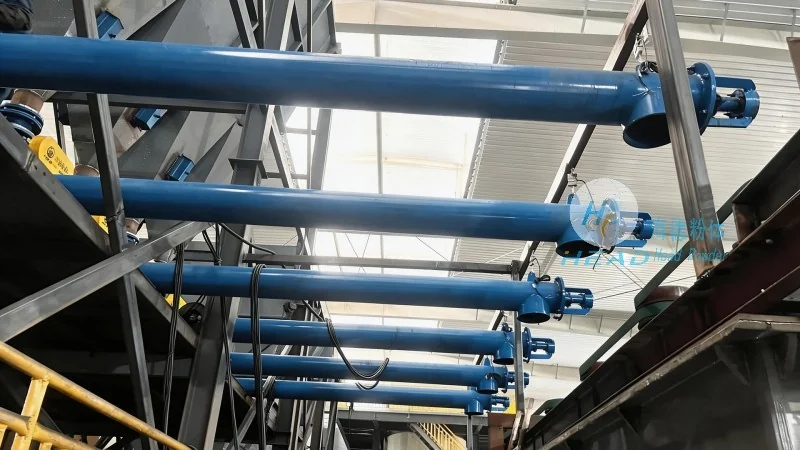
Efficiency is a primary characteristic, as industrial operations often demand high throughput rates to meet production demands. Headpowder’s systems are engineered to maximize material flow rates while minimizing energy consumption. This is achieved through optimized equipment design, such as using high-capacity pumps or air compressors that are matched to the material’s properties. For example, in mining or construction sites, where large volumes of sand and gravel are processed, the conveying systems must handle substantial loads without compromising speed or reliability.
Reliability is another critical characteristic, as downtime can lead to significant losses in productivity and revenue. Headpowder’s solutions incorporate robust components and advanced monitoring systems to detect and address issues promptly. This includes sensors that track pressure, flow, and material levels, providing real-time data to operators. In addition, the use of durable materials for pipelines and equipment ensures long-term performance, reducing the need for frequent maintenance or replacements.
Adaptability to different working conditions is also a key feature. Sand and gravel powder conveying systems must be able to operate in various environments, from indoor industrial facilities to outdoor construction sites. This requires flexibility in system design, allowing for adjustments based on the specific requirements of the application. For instance, in outdoor settings, the systems may need to be protected from weather elements, while indoor systems can be integrated into existing infrastructure with minimal disruption.
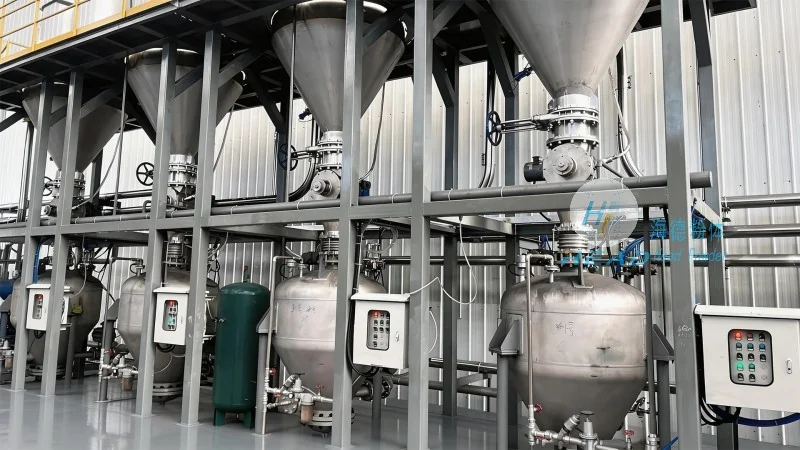
Application Scenarios
Sand and gravel powder conveying systems are widely used across various industries, each with distinct operational needs. Understanding these scenarios helps in selecting the most appropriate system for a given application.
In the construction industry, these systems are essential for transporting sand and gravel to job sites. The ability to deliver materials directly to where they are needed improves workflow efficiency and reduces labor costs. For example, in large-scale building projects, the conveying systems can be integrated with batching plants or concrete mixers, ensuring a steady supply of raw materials. The reliability of these systems is crucial, as any interruption in material supply can delay construction schedules.
In the mining sector, sand and gravel powder conveying is used to transport ore and other materials from extraction sites to processing facilities. The systems must handle abrasive materials and high volumes, requiring durable equipment and efficient flow control. Headpowder’s solutions are designed to withstand the harsh conditions of mining operations, with features like corrosion-resistant materials and heavy-duty components.
In the chemical and material processing industries, these systems are used to transport fine powders that may be sensitive to moisture or temperature changes. The conveying systems are often integrated with drying or mixing equipment, ensuring that the material remains in optimal condition throughout the process. This requires precise control over pressure and temperature to prevent material degradation or contamination.




