Understanding the principles and operational characteristics of dry manure powder conveying is essential for optimizing agricultural waste management and processing. This article provides an in-depth look at the mechanisms involved and the specific scenarios where such systems are most effective, presented by Shandong HeadPowder Engineering Co., Ltd., a leading provider in the field.
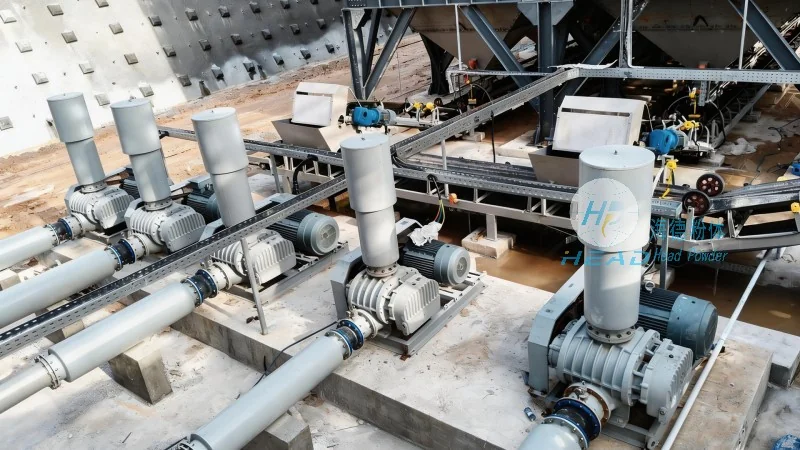
Core Principles of Dry Manure Powder Conveying
Dry manure powder conveying systems operate on the fundamental principle of converting solid, often moist, manure into a dry, powdery form that can be efficiently transported. The process typically involves several key steps, including drying, grinding, and pneumatic or mechanical transport. These steps are designed to minimize moisture content while preserving the nutrient value of the manure, making it suitable for various applications such as fertilizer production, animal feed supplementation, or even energy generation through anaerobic digestion.
The conveying mechanism itself can vary based on the specific technology employed. Pneumatic conveying systems, for instance, use air pressure to move the dry powder through pipelines, leveraging the low density and fine particle size of the material. Mechanical systems, on the other hand, may utilize screw conveyors or belt systems, which are particularly effective for handling larger volumes or more abrasive materials. The choice of mechanism depends on factors like the manure composition, the distance to be covered, and the desired throughput rate.
Working Scene Characteristics and Applications
Dry manure powder conveying is most commonly applied in large-scale agricultural operations, such as dairy farms, pig farms, and poultry facilities, where significant volumes of manure are generated daily. The primary goal in these scenarios is to manage waste efficiently while reducing environmental impact. By converting wet manure into a dry powder, farms can reduce odor, minimize the risk of disease transmission, and create a more manageable material for further processing.
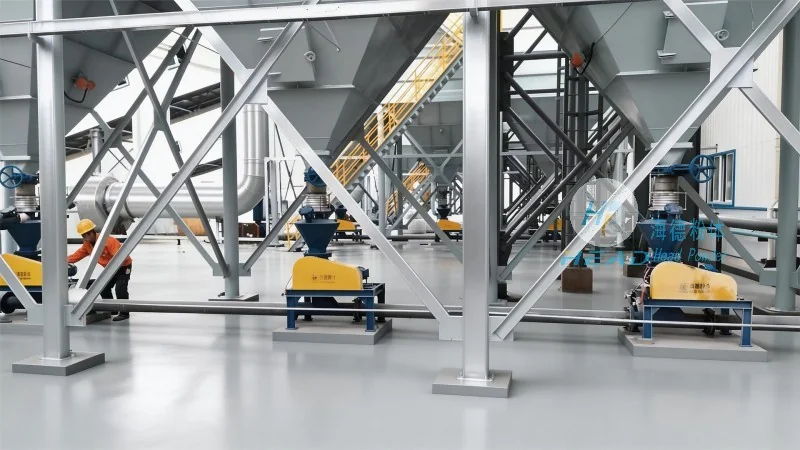
In the context of fertilizer production, dry manure powder serves as a valuable organic nutrient source. The high nitrogen, phosphorus, and potassium content, along with other micronutrients, can be enhanced through controlled processing, making it a sustainable alternative to synthetic fertilizers. The ability to transport this material over long distances without degradation makes it ideal for centralized processing facilities that supply nutrients to multiple farms or agricultural regions.
Another key application is in the animal feed industry. Dry manure powder can be blended with other feed ingredients to supplement protein and mineral content, particularly in regions where natural forage is limited. This not only improves the nutritional profile of the feed but also provides a cost-effective solution by utilizing waste materials that would otherwise be discarded.
Operational Advantages and Considerations
Implementing dry manure powder conveying systems offers several operational advantages. One of the most significant is the reduction in transportation costs. By converting wet manure into a dry powder, the material’s density decreases, allowing for more efficient use of transport vehicles and pipelines. This leads to lower fuel consumption and reduced carbon emissions compared to traditional methods of handling wet manure.
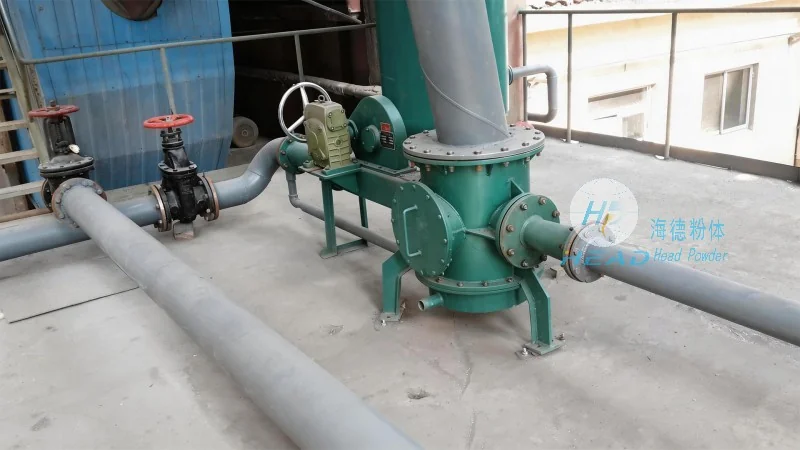
Additionally, the process enhances the safety and hygiene of agricultural operations. Dry manure is less likely to attract pests and pathogens, reducing the risk of disease outbreaks in livestock. It also minimizes the potential for water contamination from runoff, as the material is less likely to leach nutrients into water sources. These environmental benefits make dry manure powder conveying an attractive option for farms committed to sustainable practices.
However, there are also considerations to keep in mind when deploying such systems. The initial investment in equipment, including drying units, grinding machinery, and conveying infrastructure, can be substantial. Operational costs, such as energy consumption for drying and the maintenance of pneumatic systems, must be factored into the overall budget. Furthermore, the quality of the final product depends heavily on the control of moisture content and particle size, requiring precise monitoring and adjustment throughout the process.
Conclusion
For agricultural operations seeking to optimize waste management and enhance resource utilization, dry manure powder conveying represents a technologically advanced solution. By understanding the core principles and operational characteristics of these systems, farms can make informed decisions about implementing such technologies. Shandong HeadPowder Engineering Co., Ltd. specializes in providing tailored solutions for dry manure processing, helping agricultural enterprises achieve efficiency, sustainability, and economic benefits in their waste management strategies.




