Principle and Working Scene Characteristics of Sulfate Nickel Crystal Powder Conveying System
Release time:2026-09-19 03:01:31
name of the company:Shandong Headpowder Engineering Co., Ltd.
telephone:156-6277-7102
contacts:Zhang manager
Understanding the core principles and operational characteristics of sulfate nickel crystal powder conveying systems is essential for industries dealing with high-purity nickel compounds. These systems are engineered to handle the unique challenges posed by nickel sulfate crystals, which are critical raw materials in battery manufacturing, particularly for lithium-ion and other advanced battery technologies. The design of such systems focuses on maintaining material integrity, ensuring efficient transport, and minimizing contamination risks—factors that directly impact production efficiency and product quality.
Core Principles of the Conveying System
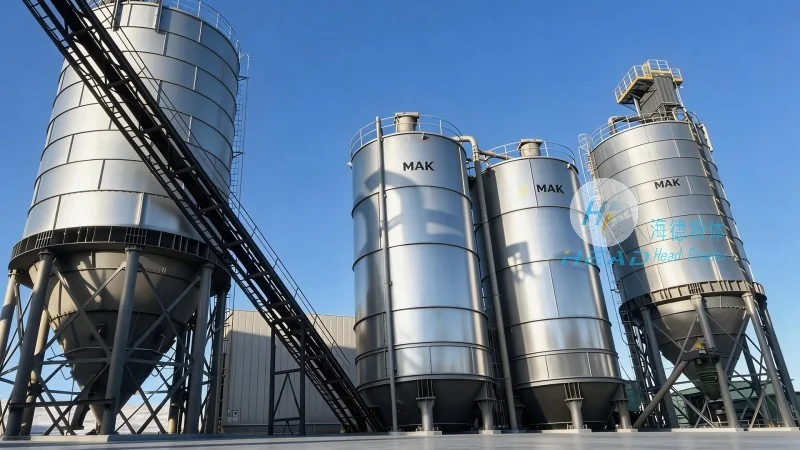
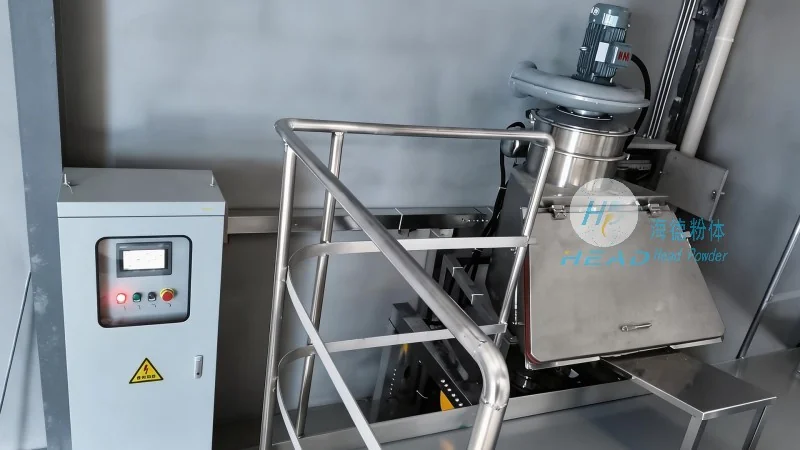
The fundamental principle of a sulfate nickel crystal powder conveying system lies in its ability to transport fine, crystalline powders through a closed or semi-closed pipeline network. Key components typically include a hopper for material storage, a feeding mechanism (such as a rotary valve or screw feeder) to control the flow rate, a conveyor (e.g., pneumatic or mechanical) to move the material, and a control system to regulate operation. The system is designed to handle the hygroscopic and abrasive nature of nickel sulfate crystals, which can cause caking or blockages if not managed properly. Advanced systems incorporate features like vibration or agitators to prevent material buildup and ensure smooth flow. Additionally, the use of inert gases or sealed environments may be employed to prevent moisture absorption or oxidation, preserving the material's purity and reactivity.
Working Scene Characteristics and Applications
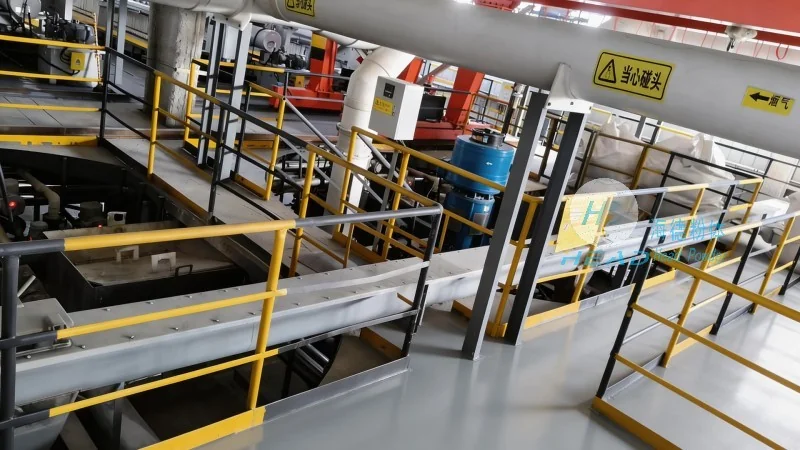
Sulfate nickel crystal powder conveying systems are widely used in industrial settings where large-scale production of nickel-based battery materials is required. These systems are typically deployed in manufacturing facilities that specialize in producing cathode active materials for lithium-ion batteries, as well as in chemical processing plants that handle nickel sulfate production. The working scene characteristics include high throughput requirements, often ranging from several tons per hour to tens of tons per hour, depending on the production scale. The systems must also operate in environments with strict quality control, as even minor impurities or moisture can affect the performance of the final battery products. For example, in battery manufacturing plants, the conveying system must deliver nickel sulfate crystals to mixing and coating lines with minimal loss or degradation. The working environment may involve high temperatures or humidity control, and the system must be robust enough to withstand these conditions without compromising material integrity. Furthermore, the systems are often integrated with other processing equipment, such as granulators or classifiers, to form a complete production line. This integration ensures that the conveying process is synchronized with downstream operations, optimizing overall production efficiency.
Company Overview: Shandong HeadPowder Engineering Co., Ltd.
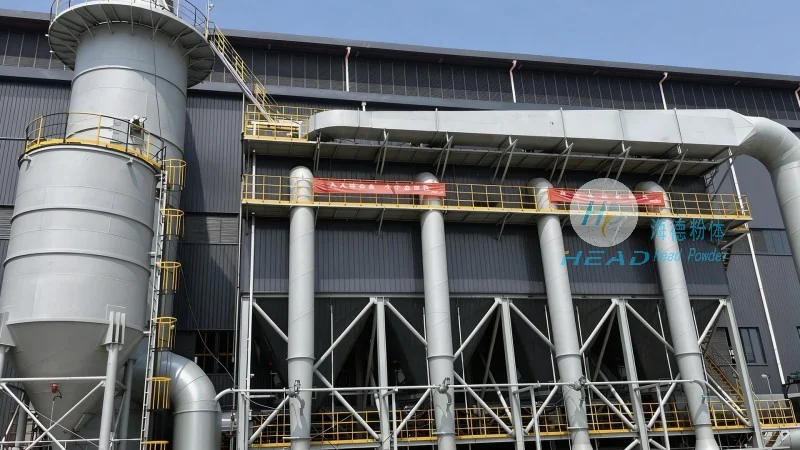
HeadPowder, a leading provider of specialized powder handling solutions, specializes in designing and manufacturing sulfate nickel crystal powder conveying systems tailored to the needs of the battery and chemical industries. With a focus on innovation and precision engineering, HeadPowder has developed systems that meet the stringent requirements of modern nickel sulfate production and processing. The company's facilities are located in Shandong, China, where it leverages local expertise and resources to deliver high-quality products. HeadPowder's systems are known for their reliability, efficiency, and adaptability, making them suitable for a wide range of industrial applications. The company's commitment to customer satisfaction and technical excellence has established it as a trusted partner in the global market for nickel-based battery materials.




