HeadPowder, a leading manufacturer based in Shandong, China, specializes in advanced powder conveying solutions tailored for sawdust and wood flour applications. The company's expertise lies in developing efficient and reliable equipment that addresses the unique challenges of handling these lightweight, fine powders in industrial settings.
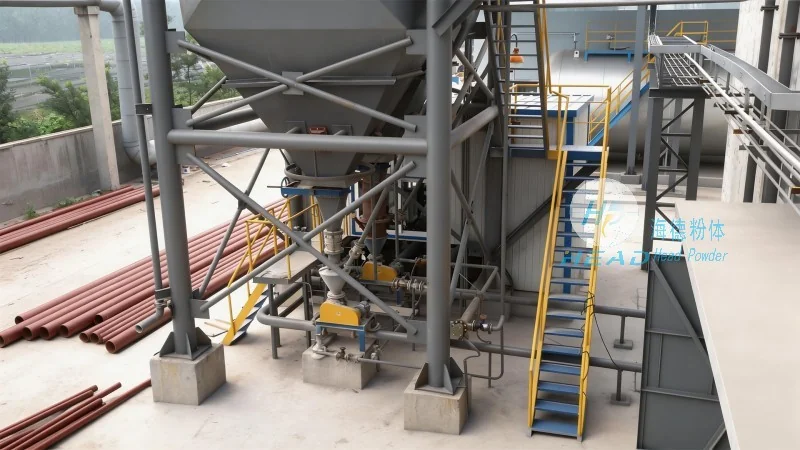
Principle of Sawdust and Wood Flour Powder Conveying Equipment
The core mechanism of the sawdust and wood flour powder conveying equipment involves a combination of air-based and mechanical components designed to transport dry powders over long distances with minimal loss and maximum efficiency. The system typically operates on the principle of pneumatic conveying, where the material is suspended in a stream of air and propelled through a network of pipes. This method is particularly effective for sawdust and wood flour due to their low bulk density and tendency to create dust clouds, which can be efficiently managed by the equipment's air filtration and control systems. The conveying process begins with the material being fed into a hopper or feeder, where it is then introduced into the conveying line. A fan or blower generates the necessary airflow, which lifts the powder particles and carries them through the pipeline. The system may incorporate various components such as rotary valves, cyclone separators, and dust collectors to ensure proper material handling and air purification. The design of the equipment is optimized to maintain consistent airflow and particle suspension, reducing the risk of blockages and ensuring smooth operation. Additionally, the use of specialized materials for the conveying components, such as stainless steel or corrosion-resistant alloys, helps to prevent material buildup and maintain hygiene, which is crucial for applications in food processing or woodworking industries.
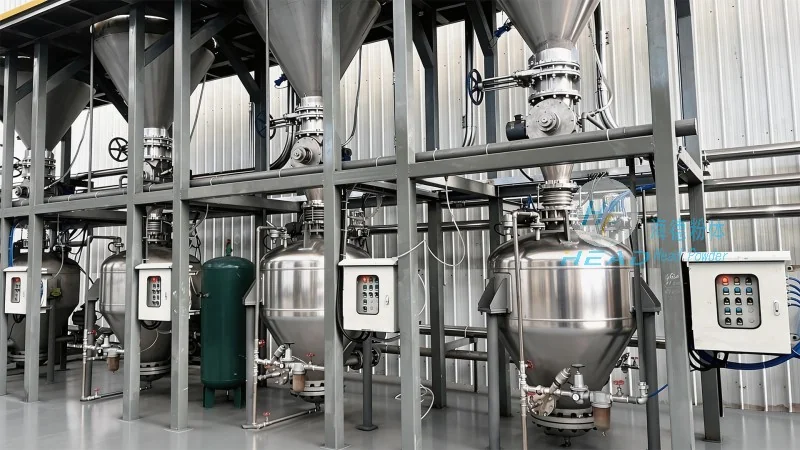
Working Scene Characteristics of the Equipment
The sawdust and wood flour powder conveying equipment is designed to operate in diverse industrial environments, including woodworking plants, biomass processing facilities, and sawmills. Its adaptability to different working conditions is a key feature, as it can handle varying particle sizes and moisture levels of sawdust and wood flour. The equipment is particularly suited for applications where material transport is required over significant distances, such as from a storage silo to a processing unit or from a production line to a storage area. The working scene characteristics also include the ability to integrate with existing industrial systems, allowing for seamless integration into current workflows without disrupting operations. The equipment's compact design and low maintenance requirements make it suitable for both large-scale and small-scale operations, providing flexibility to meet the needs of various businesses. Furthermore, the system's energy efficiency is a notable advantage, as it minimizes power consumption while maintaining high conveying rates, contributing to cost savings and environmental sustainability. The operational reliability of the equipment is another critical aspect, as it is built to withstand continuous use in demanding industrial environments, ensuring consistent performance and minimal downtime.
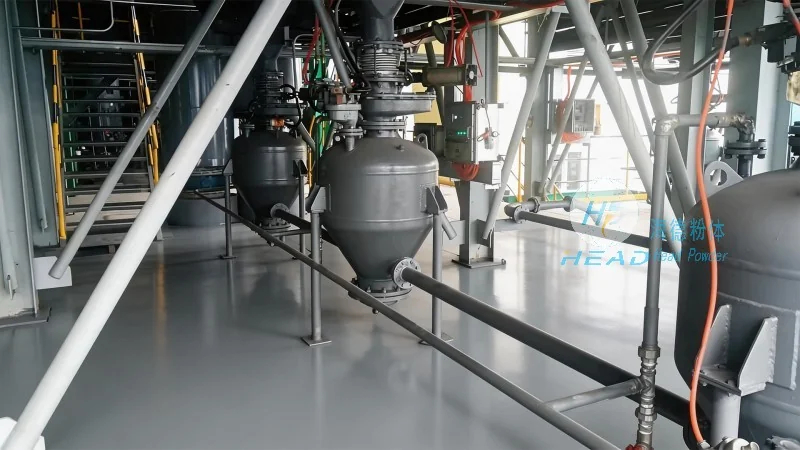
Key Features and Advantages in Practical Applications
In practical applications, the sawdust and wood flour powder conveying equipment from HeadPowder offers several advantages that enhance operational efficiency and product quality. One of the primary benefits is the reduction of material loss and contamination, as the system effectively contains dust and prevents it from escaping into the environment. This is especially important in industries where product purity is essential, such as in the production of wood flour for animal feed or in woodworking where dust can affect the quality of finished products. The equipment also contributes to improved safety in the workplace by minimizing the presence of airborne particles, which can pose health risks to workers. Additionally, the system's ability to handle large volumes of material at high speeds allows for increased productivity, enabling businesses to meet production targets more effectively. The integration of advanced control systems in the equipment provides operators with real-time monitoring and adjustment capabilities, ensuring optimal performance and reducing the need for manual intervention. This feature enhances operational flexibility and allows for quick response to changes in production demands. The durability of the equipment, with its robust construction and use of high-quality materials, ensures long-term reliability and reduces the frequency of maintenance and repairs, further contributing to cost savings over the equipment's lifespan.




