HeadPowder, a leading engineering firm based in Shandong, China, specializes in the design and implementation of advanced material conveying systems tailored for dust collection stations. These systems are critical components in industrial settings where efficient material handling and dust management are paramount. The material conveying lines within dust collection stations serve to transport bulk materials from collection points to processing or storage areas, ensuring smooth operational flow while maintaining air quality standards.
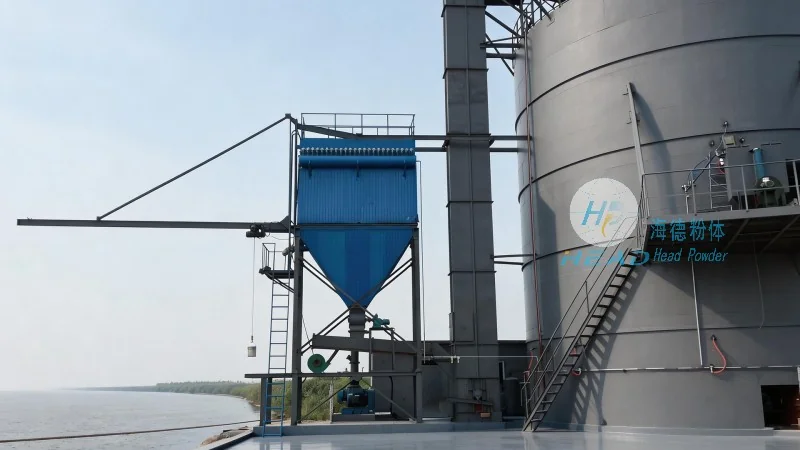
The Core Principle of Material Conveying in Dust Collection Stations
The fundamental principle of material conveying lines in dust collection stations revolves around the integration of dust control mechanisms with material transport technologies. Typically, these systems incorporate dust suppression or filtration components alongside conveyor mechanisms, such as belt conveyors, screw conveyors, or pneumatic conveyors. The design aims to minimize dust emission during material transfer, which is crucial for maintaining workplace safety and compliance with environmental regulations. By combining efficient material movement with effective dust containment, these lines ensure that operations remain productive and environmentally responsible.
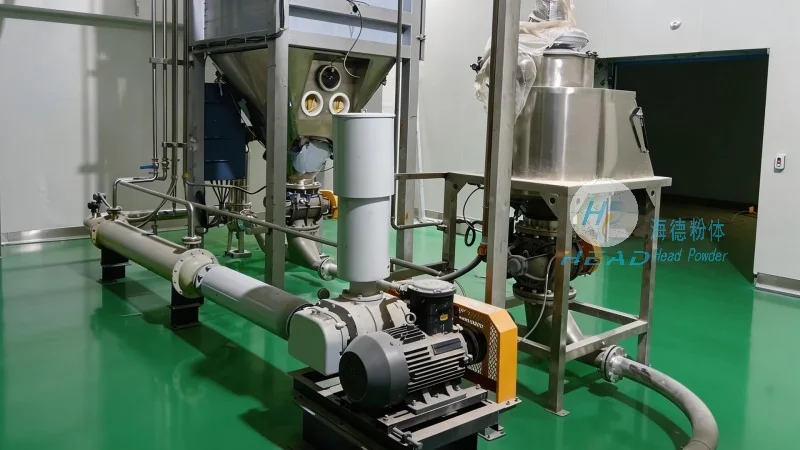
Working Scene Characteristics: Adaptability and Efficiency
One of the key characteristics of material conveying lines in dust collection stations is their adaptability to diverse industrial applications. These systems are engineered to handle a wide range of materials, including powders, granules, and bulk solids, while operating under varying environmental conditions. The working scene characteristics are defined by factors such as the scale of material handling, the need for dust control, and the integration with existing dust collection infrastructure. For instance, in mining operations, these lines may transport ore from crushers to storage silos, while in chemical plants, they might convey raw materials to reactors, all while maintaining low dust levels. The efficiency of these systems is further enhanced by features like variable speed control, which allows operators to adjust conveyor speed based on material volume and processing requirements, optimizing energy usage and operational performance.
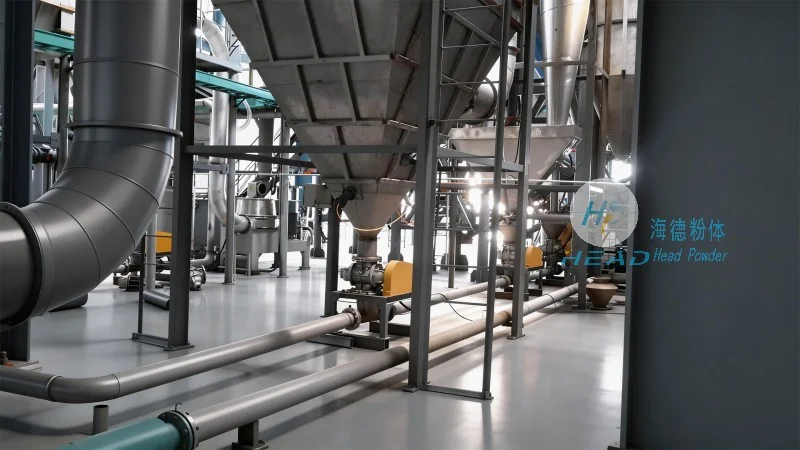
Key Features and Technical Advantages
Advanced material conveying lines in dust collection stations are equipped with several technical features that enhance their performance and reliability. These include robust dust sealing systems, which prevent dust leakage from the conveyor structure, and integrated monitoring systems that track material flow and detect potential issues in real-time. The use of high-quality materials for conveyor components, such as food-grade or corrosion-resistant metals, ensures durability even in harsh industrial environments. Additionally, the systems often incorporate energy-efficient designs, such as variable frequency drives, which reduce power consumption during low-load operations. These features collectively contribute to the overall effectiveness of the material conveying lines, making them suitable for long-term, high-demand applications.
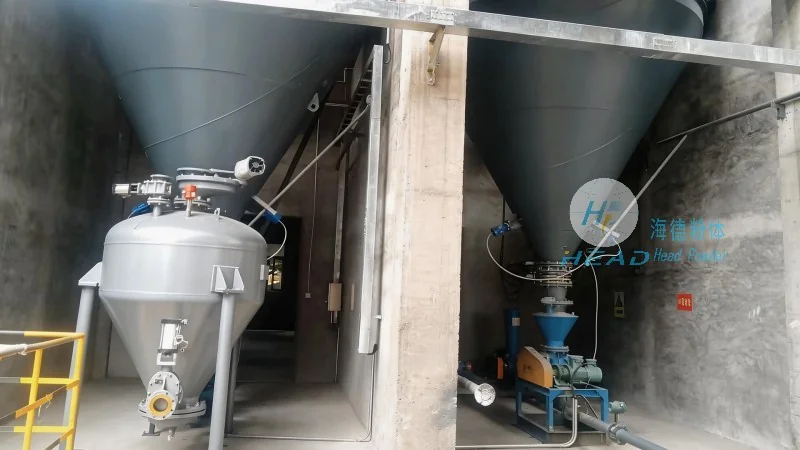
Application Examples and Real-World Impact
The working scene characteristics of material conveying lines in dust collection stations are best illustrated through real-world applications. In a cement plant, for example, the conveying line efficiently transports raw materials from storage silos to the kiln, while simultaneously managing dust emissions through integrated filtration. This not only improves operational efficiency but also reduces the environmental footprint of the facility. Similarly, in a food processing plant, the system ensures that bulk ingredients are conveyed safely and hygienically, with minimal risk of contamination. The adaptability of these lines allows them to be customized for specific industrial needs, whether it's handling abrasive materials in mining or delicate powders in pharmaceutical manufacturing. The consistent performance of these systems has a direct impact on production output, safety standards, and overall operational costs, making them indispensable in modern industrial operations.




