Pharmaceutical bulk material pneumatic conveying systems represent a sophisticated technology designed to transport powders and granules within pharmaceutical manufacturing environments. These systems are engineered to meet stringent regulatory and operational requirements, ensuring product integrity, safety, and efficiency. The core principle of pneumatic conveying involves the use of compressed air or other gases to move materials through a pipeline network, eliminating the need for mechanical components like belts or buckets that could introduce contamination or mechanical stress to sensitive pharmaceutical products.
Working Principles of Pneumatic Conveying Systems
The fundamental operation of a pneumatic conveying system relies on the creation of a pressure differential or a vacuum to move material. In pressure conveying systems, compressed air is introduced at the material feed point, creating a high-pressure environment that propels the material forward through the pipeline. Conversely, vacuum conveying systems use a vacuum pump to create a low-pressure zone, drawing material from the source into the system. The choice between pressure and vacuum depends on factors such as material properties, distance, and system layout. For pharmaceutical applications, pressure systems are often preferred due to their ability to maintain positive pressure, preventing external contamination and ensuring a controlled environment.
Key Components and Their Functions
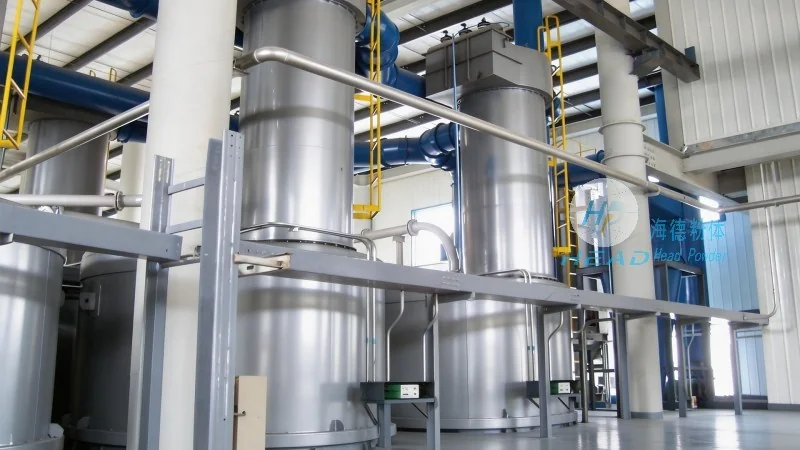
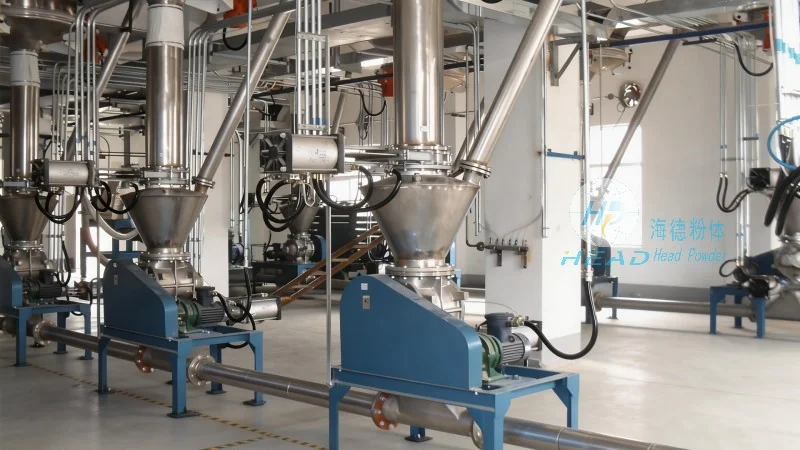
Pharmaceutical pneumatic conveying systems consist of several critical components that work in concert to ensure reliable operation. These include the material feeder, which accurately meters and introduces the bulk material into the system; the conveying line, typically made of stainless steel or other sanitary materials to prevent contamination; the air compressor or vacuum pump, which provides the necessary pressure or vacuum; and the control system, which monitors and regulates the flow of material and air. Additionally, components such as filters, cyclones, and dust collectors are integrated to maintain air quality and prevent material loss. The material feeder, often a rotary valve or a star feeder, ensures a consistent flow rate, while the conveying line is designed with smooth, rounded bends to minimize material degradation and blockages. The air compressor, usually a rotary screw or reciprocating type, provides the required pressure, with filters to remove moisture and particulates from the air, ensuring it is suitable for pharmaceutical applications.
Working Scene Characteristics and Applications
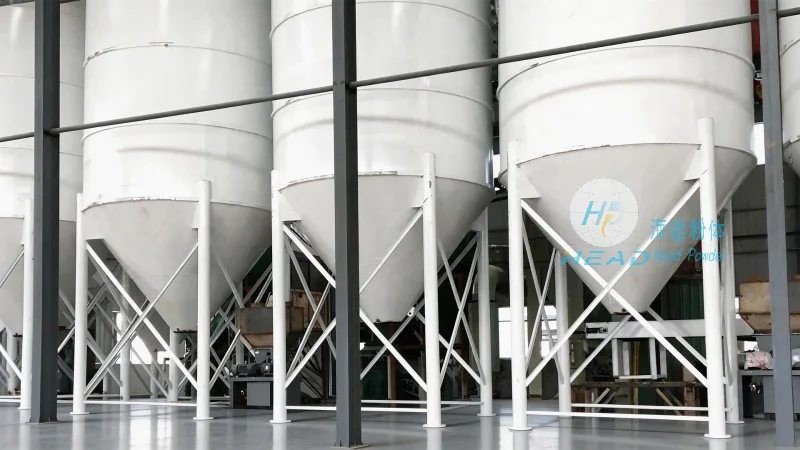
The working scene characteristics of pharmaceutical pneumatic conveying systems are tailored to the specific needs of the pharmaceutical industry. These systems are commonly used in scenarios such as raw material handling, where bulk powders are transported from storage silos to processing lines; in intermediate product transfer, moving finished or partially processed materials between different stages of production; and in packaging operations, where final products are conveyed to packaging machines. The systems are also employed in cleanroom environments, where the design and materials used in the system are chosen to minimize particulate generation and maintain a sterile environment. For example, in a typical pharmaceutical manufacturing facility, a pneumatic conveying system might transport active pharmaceutical ingredients (APIs) from a bulk storage tank to a tablet press, ensuring that the material is handled hygienically and efficiently. The system's ability to operate in a closed loop, with minimal human intervention, reduces the risk of contamination and improves overall process control. Additionally, the flexibility of pneumatic conveying allows for the integration of multiple material lines, enabling the simultaneous transfer of different powders or granules, which is crucial in complex manufacturing processes.
Advantages and Considerations in Pharmaceutical Applications
Pharmaceutical bulk material pneumatic conveying systems offer several advantages that make them ideal for the industry. These include the ability to handle a wide range of materials, from fine powders to coarse granules, without the need for pre-processing or mechanical handling. The systems are also highly efficient, with low energy consumption and minimal material loss compared to traditional methods like bucket elevators or belt conveyors. Furthermore, the closed-loop design and positive pressure operation ensure that the material remains sterile and free from contamination, which is critical for pharmaceutical products. However, there are considerations to be made when implementing such systems. For instance, the selection of the appropriate conveying type (pressure or vacuum) is crucial based on the material's properties, such as density, flowability, and moisture content. Additionally, the system's design must comply with regulatory standards, such as those set by the FDA or GMP, which require materials to be made of stainless steel or other sanitary materials and to be easy to clean and maintain. The control system must also be robust and reliable, with features like automatic shutdown in case of blockages or pressure fluctuations to prevent material damage or system failure.
Conclusion and Company Overview
Pharmaceutical bulk material pneumatic conveying systems are essential components in modern pharmaceutical manufacturing, providing a reliable, efficient, and hygienic method for material handling. The principles and working scene characteristics of these systems are designed to meet the stringent requirements of the pharmaceutical industry, ensuring product quality and safety. As a leading provider in this field, Shandong HeadPowder Engineering Co., Ltd. specializes in designing and manufacturing customized pneumatic conveying solutions tailored to the unique needs of pharmaceutical clients. With a focus on quality, innovation, and compliance, the company offers systems that enhance operational efficiency while maintaining the highest standards of hygiene and safety. Based in Shandong, China, HeadPowder has established itself as a trusted partner for pharmaceutical manufacturers seeking advanced material handling solutions.




