Wood chip material pneumatic conveying systems represent advanced industrial solutions designed to transport wood chips efficiently and reliably. These systems leverage compressed air as the primary medium to move wood chips from one location to another, eliminating the need for traditional mechanical conveyors such as belts or buckets. The technology is widely adopted in the wood processing industry due to its flexibility, low maintenance requirements, and ability to handle various wood chip sizes and moisture contents. By utilizing air as the conveying medium, these systems offer a clean and dust-free operation, which is crucial for maintaining a safe working environment and complying with environmental regulations.
Core Principles of Pneumatic Conveying Technology
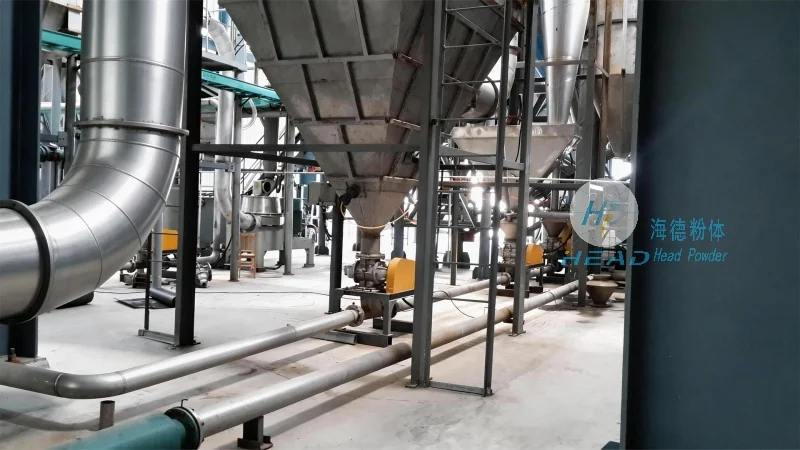
The fundamental principle behind wood chip pneumatic conveying is the creation of a pressure differential using compressed air to transport solid material. There are two primary types of pneumatic conveying systems: positive pressure and negative pressure (suction). Positive pressure systems employ a blower to generate high-pressure air that pushes the material through the pipeline. This method is suitable for short to medium distances and horizontal transport, where the air pressure is sufficient to overcome friction and elevation changes. Negative pressure systems, conversely, utilize a vacuum pump to create a low-pressure environment that draws the material into the pipeline. This approach is ideal for longer distances or when the material needs to be transported from multiple sources to a central collection point, as the vacuum helps in maintaining a consistent flow without the need for high air velocities.
In both system types, the air velocity must be maintained above the minimum fluidization velocity to ensure the wood chips remain suspended in the air stream. This velocity is determined by factors such as the size, shape, and density of the wood chips, as well as the air pressure and temperature. Proper design of the system ensures that the air velocity is sufficient to keep the chips from settling or clogging the pipeline, while minimizing energy consumption. The selection between positive and negative pressure depends on the specific operational requirements, including the distance to be covered, elevation changes, and the nature of the wood chips being transported.
Working Scene Characteristics and Application Scenarios
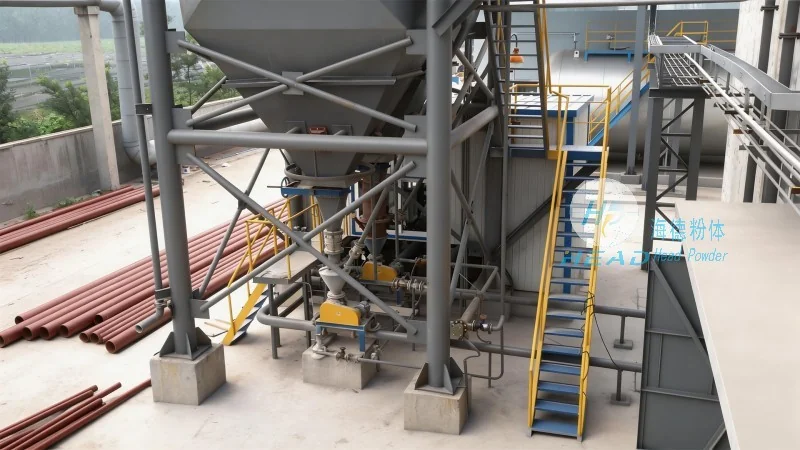
The working scene characteristics of wood chip pneumatic conveying systems are tailored to the unique needs of wood processing facilities. These systems are commonly used in scenarios where wood chips need to be transported over long distances or across multiple levels within a plant. For example, in sawmills, wood chips are generated during the debarking and chipping of logs. The chips are then conveyed from the chipping area to storage silos or drying facilities. The pneumatic system allows for seamless transfer of chips over horizontal distances of up to several hundred meters and vertical lifts of up to 50 meters or more, depending on the system design. Another common application is in biomass power plants, where wood chips are transported from storage silos to boilers for energy generation. The systems are also utilized in pelletizing plants, where wood chips are conveyed to pellet mills for processing. The flexibility of pneumatic conveying enables integration into existing plant layouts, as pipelines can be routed along building structures or through underground tunnels without disrupting other operations. This adaptability reduces installation time and costs compared to traditional conveyor systems.
Advantages and Performance Metrics
Wood chip pneumatic conveying systems offer several advantages over traditional mechanical methods. One of the primary benefits is the ability to handle a wide range of wood chip sizes and moisture levels without clogging or degradation. Unlike belt or bucket conveyors, which may experience blockages with wet or oversized chips, pneumatic systems maintain consistent flow by adjusting air pressure and velocity. This results in higher throughput and reduced downtime. Another significant advantage is the enclosed pipeline design, which prevents dust and fine particles from escaping into the workplace. This improves air quality, enhances worker safety, and aids in environmental compliance. The systems are also relatively low maintenance, as they have fewer moving parts compared to belt conveyors. Regular maintenance typically involves checking air filters, lubricating moving parts, and inspecting pipeline integrity, which can be performed by trained personnel with minimal disruption to production.
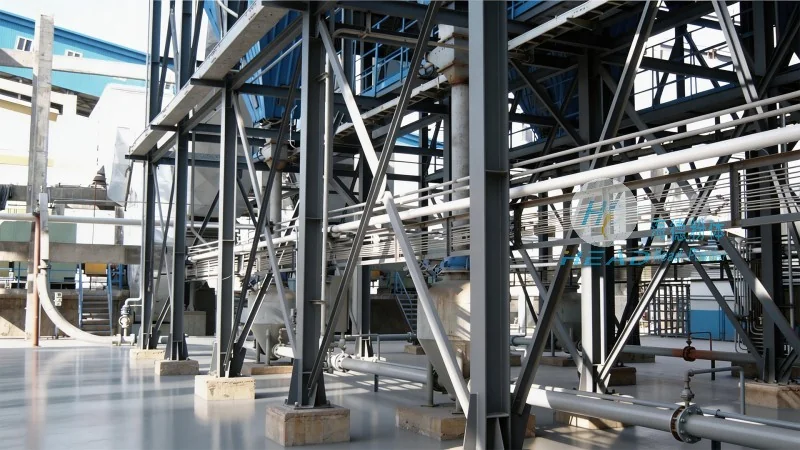
Performance metrics such as conveying capacity, pressure drop, and energy efficiency are critical in evaluating the system's effectiveness. Modern systems often incorporate advanced control technologies to optimize air flow and reduce energy consumption. For instance, variable frequency drives (VFDs) can adjust the blower speed based on the actual conveying demand, leading to significant energy savings. The pressure drop across the pipeline is another key metric, as it indicates the system's efficiency and the need for additional air power. Proper system design ensures that the pressure drop is minimized, allowing for longer conveying distances without excessive energy consumption. Overall, the performance of wood chip pneumatic conveying systems is highly dependent on the design and maintenance, making them a reliable choice for continuous wood processing operations.
Company Profile: Shandong HeadPowder Engineering Co., Ltd.
Shandong HeadPowder Engineering Co., Ltd., commonly known as headpowder, is a leading manufacturer specializing in industrial pneumatic conveying systems. With operations based in Shandong, China, the company has established itself as a trusted provider of high-quality solutions for wood processing and other industries. HeadPowder's expertise lies in designing and manufacturing customized pneumatic conveying systems that meet the unique requirements of each client. The company's products are known for their durability, reliability, and adherence to international standards, ensuring long-term performance and minimal downtime. By focusing on innovation and customer satisfaction, HeadPowder has built a strong reputation in the market, serving clients across various sectors with tailored solutions that enhance operational efficiency and productivity.




