PP (Polypropylene) pneumatic conveying systems are widely used in industrial applications for the efficient transport of bulk materials. Understanding the operation process and working principle is crucial for optimizing performance and ensuring reliable material handling. This article provides a detailed overview of how these systems function, covering key components, operational steps, and the underlying principles that enable effective material transport.
Introduction to PP Pneumatic Conveying Systems
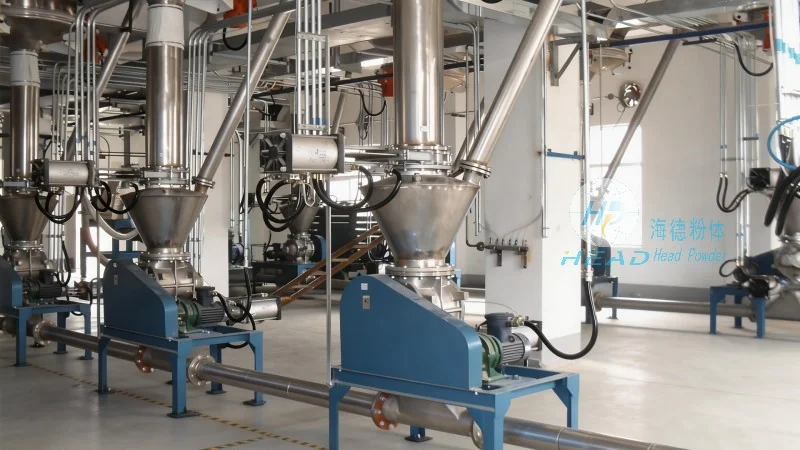
PP pneumatic conveying systems are designed to move bulk solids, such as polypropylene powder or granules, through a pipeline using air or other gases. These systems are particularly advantageous in industries like plastics manufacturing, chemical processing, and food processing due to their ability to handle fine powders and granules without the need for mechanical components like belts or screws. The system typically consists of a hopper for material storage, a conveyor line, and a receiver for the delivered material. The core of the system is the air flow mechanism that propels the material through the pipeline.
Key Components of a PP Pneumatic Conveying System
The operation of a PP pneumatic conveying system relies on several critical components, each playing a specific role in the material transport process. The primary components include:
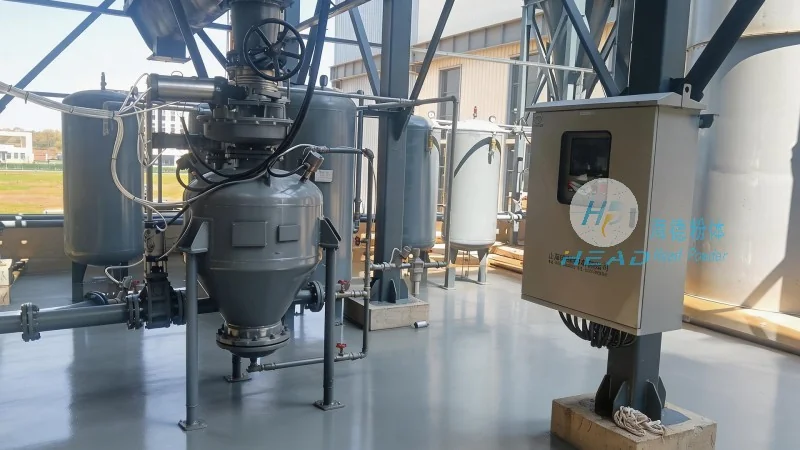
- Material Hopper: This is where the polypropylene material is stored before being fed into the system. The hopper is designed to maintain a consistent material level and often includes a feeder mechanism, such as a rotary valve or a screw feeder, to control the flow rate of the material.
- Feeder: The feeder regulates the amount of material entering the conveying line. It ensures a steady and controlled feed, preventing overloading or underfeeding that could affect system performance. For PP materials, which can be prone to bridging or caking, a well-designed feeder is essential to maintain consistent flow.
- Conveying Line: This is the pipeline through which the material and air travel. The line is typically made of durable materials like stainless steel or plastic to withstand the abrasive nature of polypropylene and the pressure of the air flow. The diameter and length of the line are carefully selected based on the material characteristics and the required conveying distance.
- Air Supply System: Compressors or blowers generate the necessary air pressure to move the material. The air supply system includes filters to remove contaminants and moisture, which can affect the material quality and system efficiency. Proper air filtration is crucial to prevent clogging and maintain consistent performance.
- Receiver: The receiver is the final destination where the conveyed polypropylene material is deposited. It is designed to handle the material flow and often includes a discharge valve to control the release of the material into the next processing stage.
The Working Principle of PP Pneumatic Conveying
The working principle of a PP pneumatic conveying system is based on the principle of fluidization and pneumatic transport. When air is introduced into the conveying line at a high velocity, it creates a low-pressure zone that draws the polypropylene material from the hopper into the line. The material is then suspended in the air stream and transported to the receiver. The air flow rate and pressure are carefully controlled to ensure that the material is fully entrained and transported without segregation or degradation.
Operation Process of a PP Pneumatic Conveying System
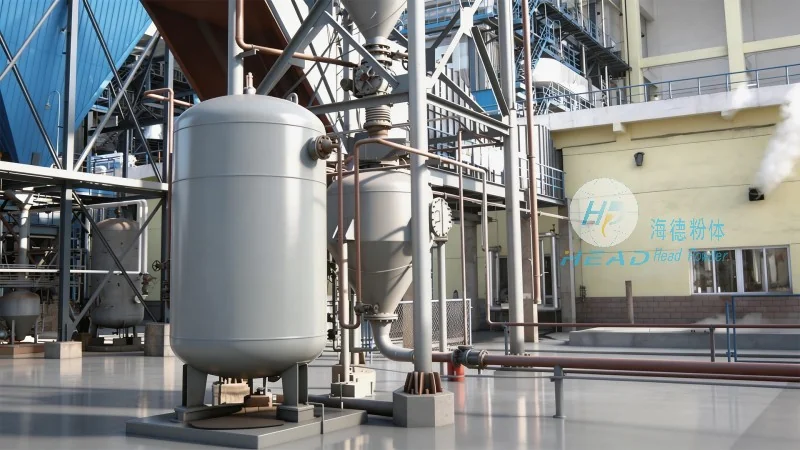
The operation process of a PP pneumatic conveying system involves several sequential steps, each contributing to the efficient transport of the material. The process typically begins with the loading of the material into the hopper. Once the hopper is filled, the feeder starts to release the material at a controlled rate. Simultaneously, the air supply system activates, generating the required air pressure and flow rate. The air and material mixture travels through the conveying line, with the material being fully suspended in the air stream. At the receiver end, the air is separated from the material, often using a cyclone or a filter, and the material is deposited into the receiver. The air is then discharged or recirculated back to the system to maintain efficiency.
Optimizing Performance and Maintenance
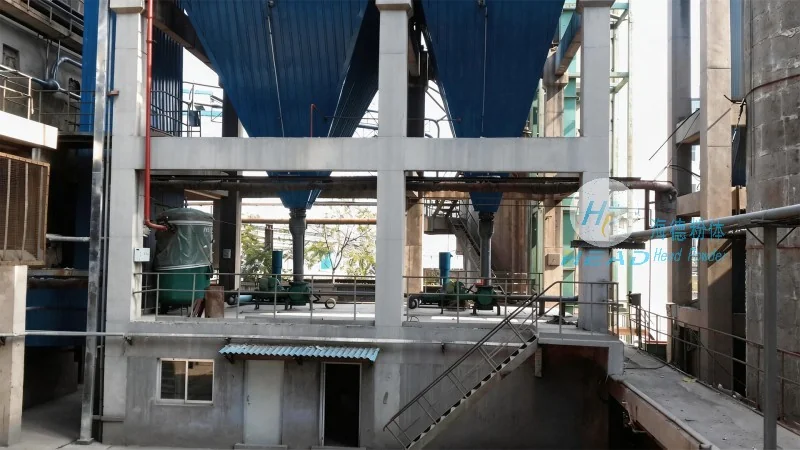
Optimizing the performance of a PP pneumatic conveying system requires careful attention to several factors, including material properties, system design, and operational parameters. Regular maintenance is also essential to ensure long-term reliability and efficiency. Key aspects of optimization include:
- Material Properties: Understanding the characteristics of the polypropylene material, such as particle size, density, and flowability, helps in selecting the appropriate system components and operational parameters. For example, fine powders may require higher air velocities to ensure proper entrainment.
- System Design: Proper sizing of the conveying line, feeder, and air supply system is critical. An undersized line or feeder can lead to material buildup or reduced efficiency, while an oversized system may result in higher energy consumption.
- Operational Parameters: Monitoring and controlling air pressure, flow rate, and material feed rate are essential to maintain consistent performance. Adjustments may be needed based on changes in material characteristics or system load.
- Maintenance: Regular cleaning of the hopper, feeder, and conveying line is necessary to prevent clogging and material buildup. Filters should be checked and replaced as needed to maintain air quality and system efficiency.
Conclusion
PP pneumatic conveying systems offer an efficient and reliable method for transporting polypropylene materials in industrial applications. By understanding the operation process and working principle, users can optimize system performance, reduce maintenance costs, and ensure consistent material handling. The key to successful operation lies in proper system design, regular maintenance, and careful control of operational parameters. As a leading provider in the industry, Shandong HeadPowder Engineering Co., Ltd. specializes in designing and manufacturing high-quality PP pneumatic conveying systems tailored to meet the specific needs of various industrial applications.




