Efficient and reliable material handling is crucial in the cement industry, and pneumatic conveying systems, particularly those designed for cement and mineral powders, play a vital role in ensuring smooth production processes. This article delves into the operation process and working principles of cement powder pneumatic conveying lines, highlighting the key components, operational steps, and technical aspects that contribute to their effectiveness. The information is presented by Shandong HeadPowder Engineering Co., Ltd., a leading provider of engineering solutions for material handling systems, based in Shandong, China.
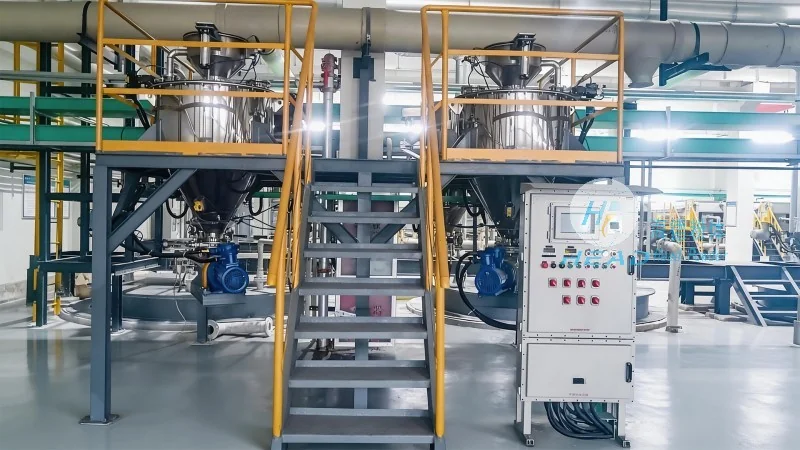
Introduction to Cement Powder Pneumatic Conveying Lines
Pneumatic conveying lines are systems that use compressed air or other gases to transport bulk materials, such as cement, fly ash, and other mineral powders, from one location to another. These systems are widely used in the cement industry due to their ability to handle fine powders efficiently, minimize dust emissions, and maintain a clean working environment. The design and operation of these lines are critical to ensure optimal performance, safety, and cost-effectiveness. Shandong HeadPowder Engineering Co., Ltd. specializes in the design, manufacturing, and installation of high-quality pneumatic conveying systems tailored to the specific needs of cement plants and related industries.
Key Components of a Cement Powder Pneumatic Conveying Line
A typical cement powder pneumatic conveying line consists of several essential components that work in tandem to achieve efficient material transport. These components include:
- Feeder: The feeder is responsible for feeding the cement powder into the conveying line at a controlled rate. It ensures a consistent flow of material, preventing blockages and maintaining system efficiency.
- Conveying Pipe: The main part of the system, the conveying pipe is where the material is transported by the air flow. It is typically made of durable materials like stainless steel or plastic to withstand the abrasive nature of cement powders and the effects of compressed air.
- Compressor: The compressor generates the necessary air pressure to move the material through the pipe. It is a critical component that determines the system's conveying capacity and efficiency.
- Separation and Collection System: This system is used to separate the conveyed material from the air and collect it in a designated container. It may include cyclones, filters, or other separation devices to ensure that the material is recovered efficiently and the air is cleaned before release.
- Control System: The control system monitors and regulates the operation of the entire conveying line, ensuring that all components work together smoothly and safely. It may include sensors, valves, and other control devices to adjust the air pressure, flow rate, and other parameters as needed.
The Operation Process of Cement Powder Pneumatic Conveying Lines
The operation process of a cement powder pneumatic conveying line involves several steps that ensure the material is transported from the source to the destination efficiently and safely. The process typically begins with the material being fed into the system at a controlled rate. The feeder ensures that the material is introduced into the conveying pipe at a consistent flow rate, preventing overloading or underloading of the system.
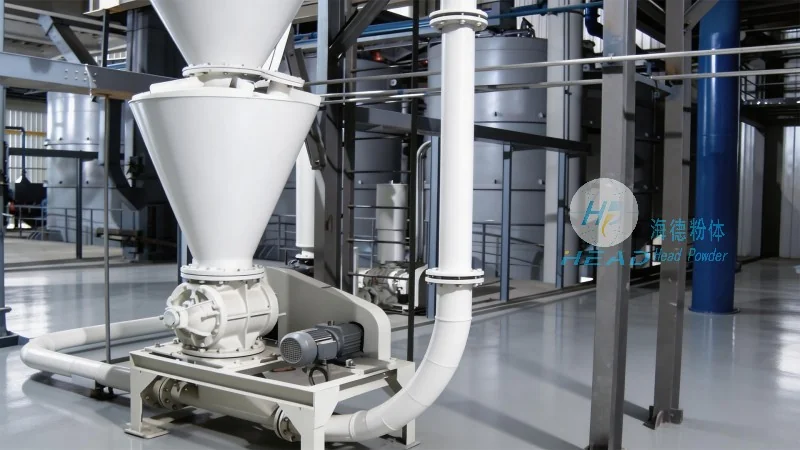
Once the material is in the conveying pipe, the compressor generates the necessary air pressure to move the material through the pipe. The air flow creates a negative pressure in the pipe, which draws the material along with it. The material is carried through the pipe by the air stream, and the separation and collection system at the end of the line separates the material from the air. The material is then collected in a storage bin or other container, while the air is filtered and released back into the environment.
The control system plays a crucial role in monitoring the operation of the conveying line. It ensures that the air pressure, flow rate, and other parameters are maintained at optimal levels. The system may also include safety features, such as pressure relief valves, to prevent over-pressurization and ensure the safety of the operators and the equipment.
Working Principles of Cement Powder Pneumatic Conveying Lines
The working principle of a cement powder pneumatic conveying line is based on the principle of fluidization and the use of compressed air to transport the material. The material is introduced into the conveying pipe at a controlled rate, and the compressor generates the necessary air pressure to move the material through the pipe. The air flow creates a negative pressure in the pipe, which draws the material along with it. The material is carried through the pipe by the air stream, and the separation and collection system at the end of the line separates the material from the air.
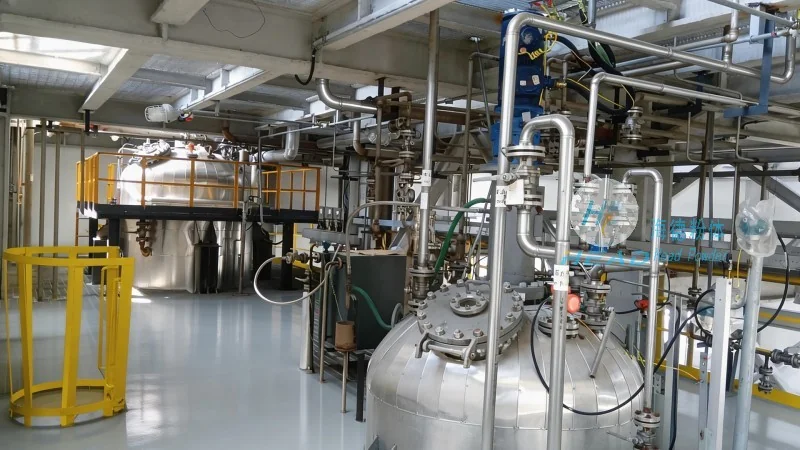
The efficiency of the system depends on several factors, including the air pressure, flow rate, and the properties of the material being conveyed. The material's particle size, density, and moisture content can affect the system's performance, and adjustments may be needed to ensure optimal operation. Shandong HeadPowder Engineering Co., Ltd. designs and manufactures pneumatic conveying systems that are tailored to the specific characteristics of the material being handled, ensuring that the system operates efficiently and safely.
Benefits of Using Cement Powder Pneumatic Conveying Lines
There are several benefits to using cement powder pneumatic conveying lines in the cement industry. These systems offer several advantages over traditional methods of material handling, such as:
- Efficiency: Pneumatic conveying systems can transport large quantities of material over long distances with minimal energy consumption. The system is also capable of handling fine powders efficiently, ensuring that the material is transported without loss or degradation.
- Reduced Dust Emissions: The enclosed design of the system minimizes dust emissions, improving the working environment and reducing the risk of respiratory problems for operators.
- Cost-Effectiveness: The use of pneumatic conveying systems can reduce labor costs and improve production efficiency, leading to lower overall operating costs.
- Flexibility: The system can be easily modified or expanded to accommodate changes in production needs or to handle different types of materials.
Conclusion
Cement powder pneumatic conveying lines are essential components of modern cement production facilities, providing efficient and reliable material handling solutions. The operation process and working principles of these systems are critical to their effectiveness, and proper design and maintenance are essential to ensure optimal performance. Shandong HeadPowder Engineering Co., Ltd. is a leading provider of engineering solutions for material handling systems, offering high-quality pneumatic conveying lines designed to meet the specific needs of cement plants and related industries. With their expertise and experience, they provide reliable and efficient solutions that contribute to the smooth operation of cement production processes.




