For industrial facilities that rely on bulk bag (FIBCs) for material handling, efficient and reliable unloading is crucial. The bulk bag unloading station with pneumatic conveying system offers a solution that integrates unloading, material transfer, and dust control in a compact and automated setup. This article explores the operation process and working principle of such systems, highlighting their benefits and key components.
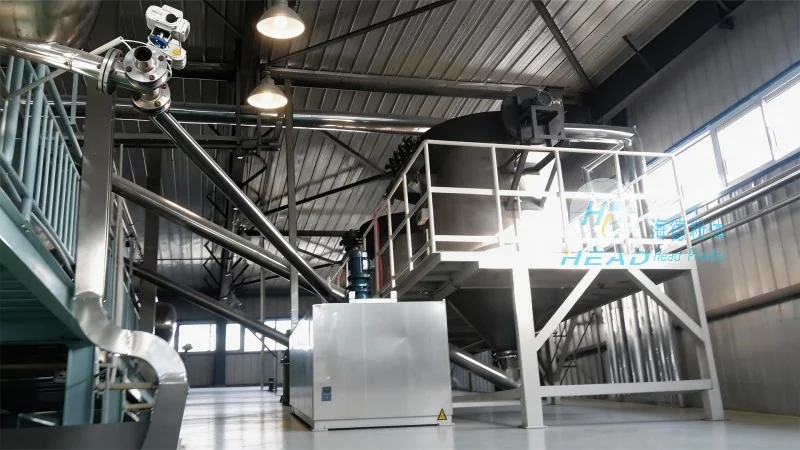
About Shandong HeadPowder Engineering Co., Ltd.
Shandong HeadPowder Engineering Co., Ltd., commonly known as HeadPowder, is a leading manufacturer specializing in engineering solutions for material handling and processing. With a focus on innovation and quality, HeadPowder provides customized equipment tailored to the needs of various industries, including chemical, food, and pharmaceutical sectors. The company’s expertise in pneumatic conveying technology ensures that their bulk bag unloading stations are designed to meet stringent operational requirements and safety standards.
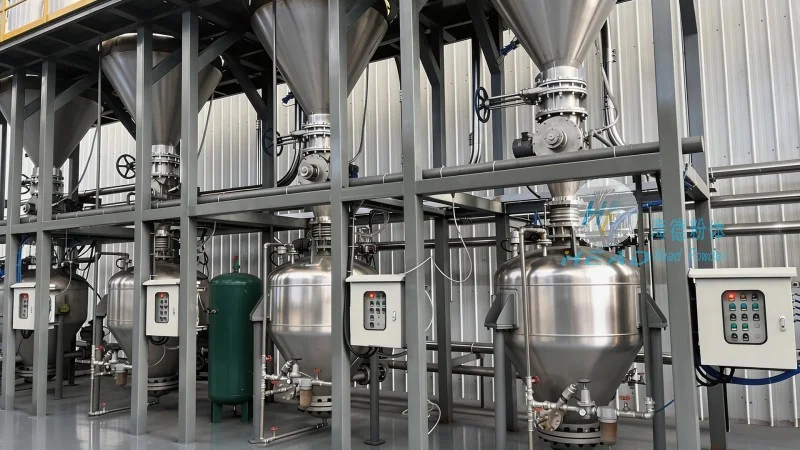
Key Components and Operation Process
The bulk bag unloading station pneumatic conveying system typically consists of several core components that work in tandem to facilitate smooth material transfer. The primary elements include the bulk bag discharger, airlock, conveying pipeline, and dust collection system. The operation process begins with the placement of a filled bulk bag onto the unloading station. The discharger then opens the bag, allowing the material to flow into the hopper. Simultaneously, the airlock and conveying system use compressed air to create a vacuum or pressure differential, drawing the material through the pipeline to the processing or storage area. The dust collection system, integrated into the design, captures any airborne particles, ensuring a clean and safe working environment.
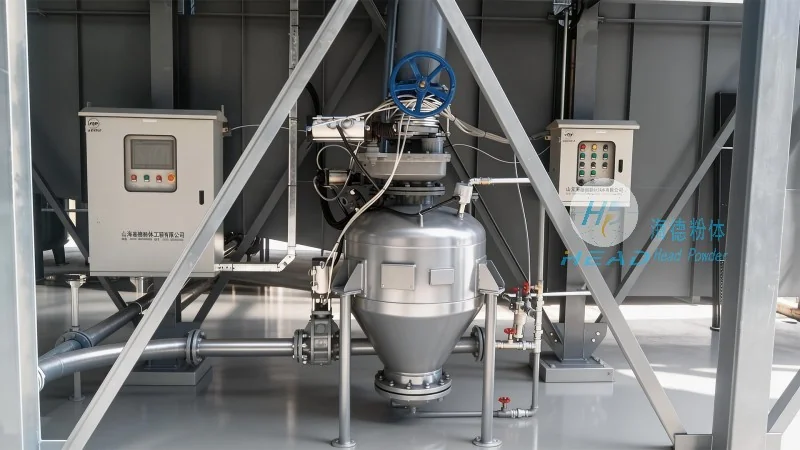
Working Principle of Pneumatic Conveying in Bulk Bag Unloading
The working principle of the pneumatic conveying system relies on the movement of material using air as the conveying medium. There are two main types of pneumatic conveying: pressure and vacuum systems. In a pressure system, compressed air is introduced at the discharge end, pushing the material through the pipeline. In a vacuum system, a vacuum is created at the intake end, pulling the material into the pipeline. The bulk bag unloading station often uses a combination of these methods to optimize material flow and reduce energy consumption. The system’s control panel allows for precise regulation of air pressure and flow rates, ensuring consistent material transfer rates and preventing blockages or material degradation.
Benefits of Using Bulk Bag Unloading Station Pneumatic Conveying Systems
Implementing a bulk bag unloading station with pneumatic conveying offers numerous advantages for industrial operations. Firstly, it enhances safety by minimizing manual handling of heavy or hazardous bulk bags. The automated process reduces the risk of accidents and exposure to dust or contaminants. Secondly, it improves efficiency by streamlining the unloading and transfer process, reducing downtime and increasing overall productivity. The compact design of these systems also saves valuable floor space, making them suitable for facilities with limited room. Additionally, the integrated dust collection system ensures compliance with environmental regulations and maintains a clean working environment, which is essential for industries where product purity is critical.
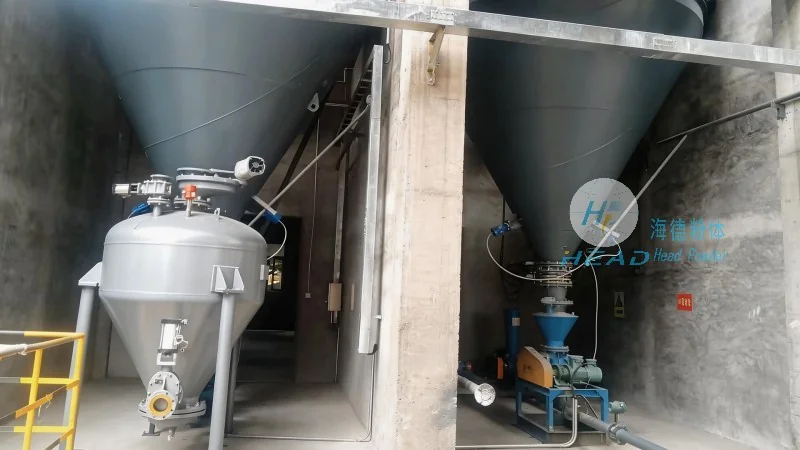
Applications and Customization Options
Bulk bag unloading station pneumatic conveying systems are widely used in various industries, including chemical manufacturing, food processing, pharmaceutical production, and mining. These systems can be customized to handle different material types, such as powders, granules, or liquids, and can be scaled to accommodate varying production volumes. HeadPowder, as a manufacturer, offers tailored solutions that address specific operational challenges, ensuring that the system meets the unique requirements of each client. Whether for small-scale operations or large industrial plants, the bulk bag unloading station with pneumatic conveying provides a reliable and efficient solution for material handling.




