The sintered ash powder conveying system is a specialized equipment designed for the efficient transportation of sintered ash powder, a byproduct commonly generated in industrial processes such as steelmaking and cement production. This system is engineered to handle the unique characteristics of sintered ash, including its fine particle size, high moisture content, and potential for dust generation, ensuring safe and reliable material transfer from production sites to storage or processing facilities.
Key Components and Their Roles
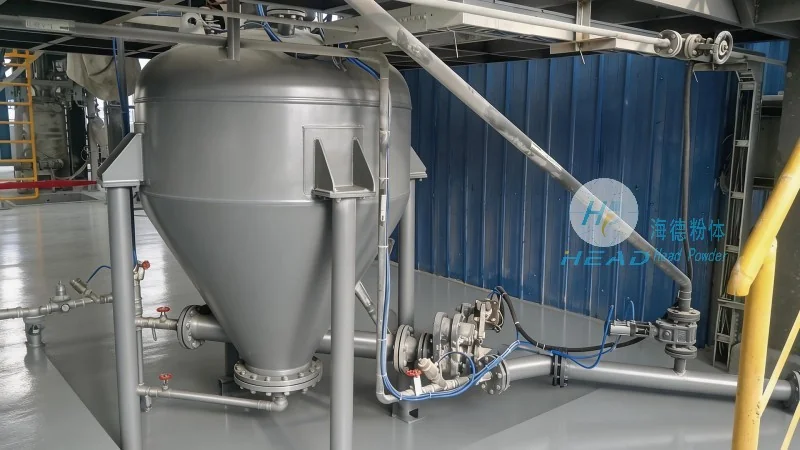
The system typically consists of several core components that work in tandem to achieve effective powder conveying. These include a feeding hopper, a screw conveyor or pneumatic duct, a dust collection system, and a control panel. The feeding hopper is responsible for receiving the sintered ash powder from the source, while the screw conveyor or pneumatic duct transports the material through the system. The dust collection system is crucial for maintaining air quality and preventing dust emissions, and the control panel allows operators to monitor and adjust the system's performance in real-time.
Operation Process: Step-by-Step
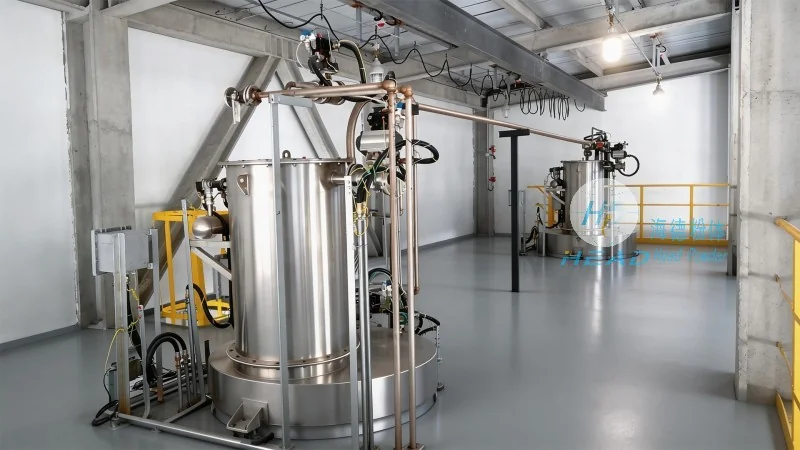
The operation of the sintered ash powder conveying system follows a systematic sequence to ensure smooth and continuous material handling. The process begins with the loading of sintered ash powder into the feeding hopper. Once the hopper is filled to a certain level, the conveyor mechanism is activated. For screw conveyor systems, the rotating screw pushes the powder forward through the conveyor tube. In pneumatic systems, compressed air is used to create a flow that carries the powder through the duct. The material is then directed to the storage silo or processing unit, where it can be further utilized or stored. Throughout the operation, the system's control panel continuously monitors parameters such as pressure, flow rate, and temperature to ensure optimal performance and prevent any potential issues.
Working Principle: How It Works
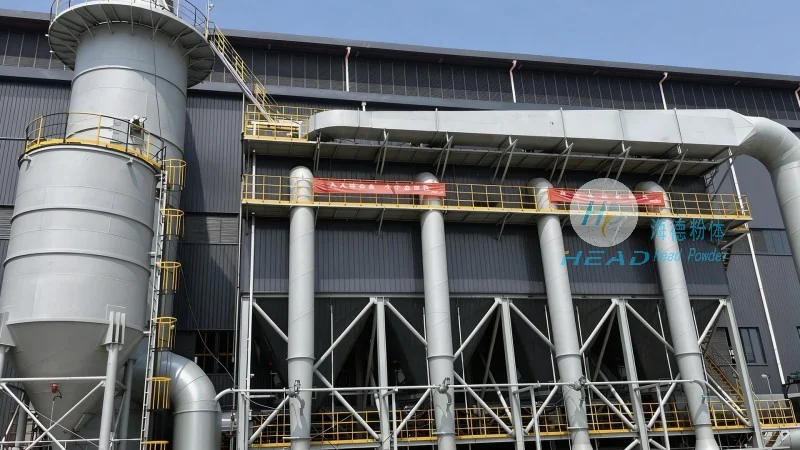
The working principle of the sintered ash powder conveying system is based on the principles of mechanical or pneumatic transport, depending on the specific design. In mechanical conveying systems, the screw conveyor uses rotational force to move the powder along the conveyor path. The helical screw design ensures that the powder is pushed forward without significant separation or segregation. The system's design minimizes the risk of blockages and ensures consistent flow rates. In pneumatic conveying systems, the principle of fluid dynamics is applied. Compressed air is introduced into the duct, creating a flow that entrains the powder particles and transports them through the system. The velocity and pressure of the air are carefully controlled to maintain the powder in a suspended state, preventing settling or clogging. The dust collection system, often integrated with the conveying duct, uses filters or cyclones to capture any airborne particles, ensuring compliance with environmental regulations and maintaining a clean working environment.
About Shandong HeadPowder Engineering Co., Ltd.
Shandong HeadPowder Engineering Co., Ltd., commonly known as headpowder, is a leading manufacturer and supplier of specialized conveying systems for industrial powders. With a focus on innovation and quality, the company has developed advanced solutions for handling challenging materials like sintered ash powder. Headpowder's expertise lies in designing systems that are not only efficient but also safe and environmentally friendly. The company's products are widely used in various industries, including steel, cement, and chemical manufacturing, where reliable powder handling is critical. Headpowder's commitment to customer satisfaction and technical excellence has established it as a trusted partner in the field of industrial material handling.




