For industrial applications involving cassava powder handling, the design and operation of a specialized conveying system are critical to ensure efficient material transport, minimize downtime, and maintain product quality. This article provides a detailed overview of the operation process and working principle of the cassava powder conveying system equipment, focusing on the key components, operational steps, and technical aspects that contribute to its effective performance.
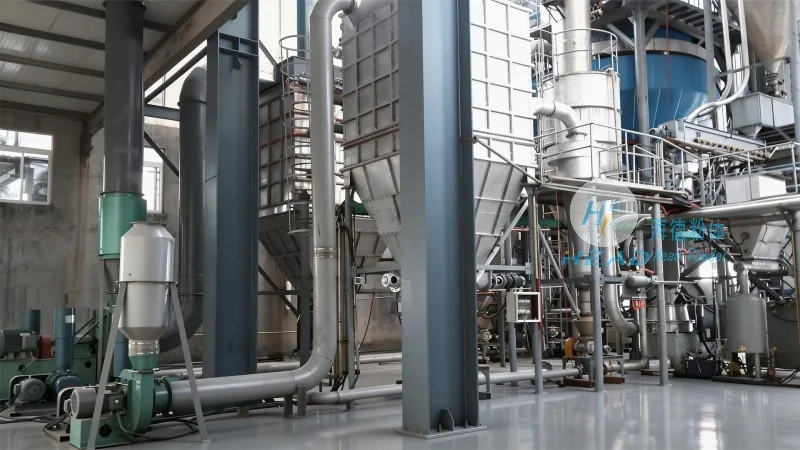
Key Components of the Cassava Powder Conveying System
The cassava powder conveying system typically consists of several interconnected components that work in tandem to achieve seamless material transfer. These components include a hopper for material storage, a feeding mechanism to regulate the flow of powder, a conveyor or pneumatic transport system for moving the powder, and a control unit to monitor and adjust the system parameters. Each component plays a vital role in the overall functionality of the system, ensuring that the cassava powder is handled safely and efficiently.
Operation Process of the Cassava Powder Conveying System
The operation process of the cassava powder conveying system begins with the loading of cassava powder into the hopper. The hopper is designed with a sloped bottom to facilitate the flow of powder under gravity, and it may be equipped with a level sensor to monitor the material level and trigger the feeding mechanism when the powder reaches a certain threshold. Once the hopper is filled, the feeding mechanism, such as a rotary valve or a screw feeder, starts to regulate the flow of powder into the conveyor system. The conveyor system, which can be either a belt conveyor or a pneumatic pipeline, then transports the powder to the desired destination, such as a storage silo or a processing unit. Throughout the process, the control unit continuously monitors parameters like pressure, flow rate, and temperature to ensure optimal operation and prevent any potential issues.
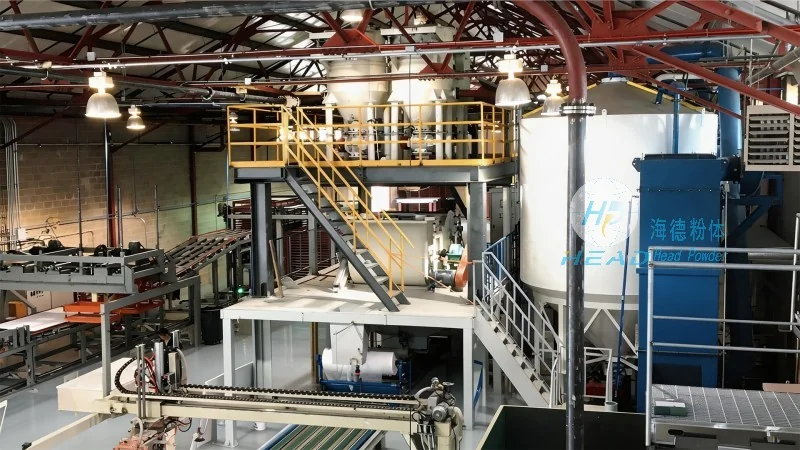
Working Principle of the Cassava Powder Conveying System
The working principle of the cassava powder conveying system is based on the principles of fluidization and pneumatic transport, depending on the specific design of the system. In a pneumatic conveying system, for example, the cassava powder is mixed with air and transported through a pipeline under pressure. The air acts as a carrier, carrying the powder particles through the system while maintaining a consistent flow rate. The system may use positive or negative pressure to move the powder, with positive pressure being more common for short-distance transport and negative pressure for longer distances. The control unit adjusts the air pressure and flow rate to maintain the desired conveying speed and prevent particle segregation or blockages. In a belt conveyor system, the principle is based on mechanical movement, where the powder is carried on a moving belt and transported to the destination. The speed of the belt and the angle of inclination can be adjusted to control the flow rate and prevent material buildup.
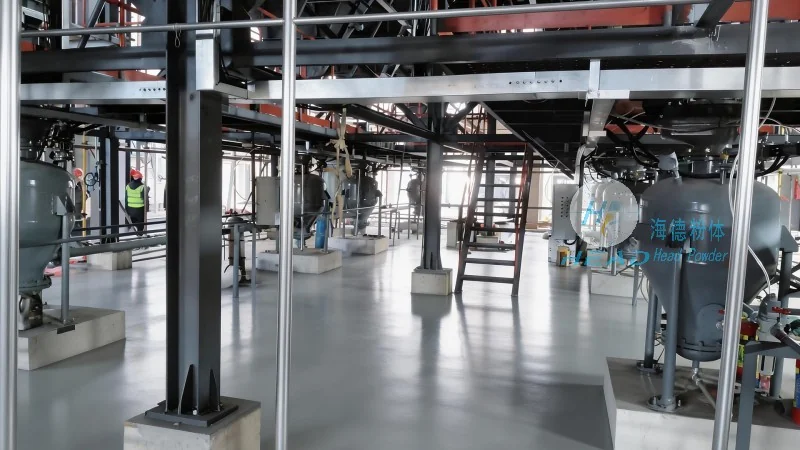
Advantages of the Cassava Powder Conveying System
The cassava powder conveying system offers several advantages over traditional manual handling methods. First, it significantly reduces labor costs and improves operational efficiency by automating the material transport process. Second, it minimizes the risk of product contamination and dust exposure, as the system is enclosed and sealed, preventing the powder from coming into contact with external contaminants. Third, it ensures consistent and uniform flow of the powder, which is crucial for maintaining product quality and preventing clogging or blockages in downstream processing equipment. Additionally, the system can be easily integrated with other industrial processes, such as drying or milling, to form a complete production line.
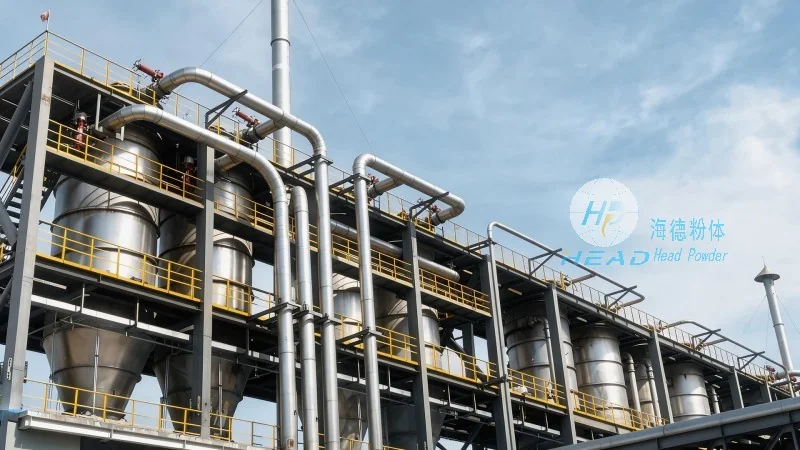
Application Scenarios and Industries
The cassava powder conveying system is widely used in various industries that rely on cassava as a raw material, including food processing, starch production, and biofuel manufacturing. In the food industry, the system is used to transport cassava powder for making starch-based products, such as tapioca starch or cassava flour. In the starch production industry, the system is essential for moving the powder from the extraction stage to the drying and milling stages. In the biofuel industry, the system is used to transport cassava powder to the fermentation and processing units for producing bioethanol. The system's versatility and adaptability make it suitable for a wide range of applications, from small-scale operations to large industrial plants.
Maintenance and Troubleshooting Tips
To ensure the long-term reliability and efficiency of the cassava powder conveying system, regular maintenance and proper troubleshooting are essential. Regular cleaning of the hopper, conveyor, and pipeline is necessary to prevent the buildup of powder residue, which can lead to clogging or blockages. The feeding mechanism should be inspected regularly to ensure it is functioning correctly and not experiencing wear and tear. The control unit should be checked for proper operation, including the sensors and alarms, to ensure that any issues are detected and addressed promptly. If the system experiences any problems, such as reduced flow rate or increased pressure, the troubleshooting steps should be followed as per the manufacturer's guidelines. Common issues may include blockages in the pipeline, worn-out belts, or faulty sensors, and addressing these issues promptly can prevent more serious problems and ensure the system continues to operate efficiently.




