PP (Polypropylene) material conveying systems are essential in various industrial applications, particularly in sectors requiring efficient and reliable handling of polypropylene powders or granules. These systems are designed to transport PP materials from storage to processing equipment, ensuring smooth workflow and minimizing material loss. The operation process and working principle of such systems involve several key components and steps that work in tandem to achieve optimal performance. Shandong HeadPowder Engineering Co., Ltd., a leading provider of industrial conveying solutions, specializes in designing and manufacturing high-quality PP material conveying systems tailored to meet the diverse needs of clients in various industries.
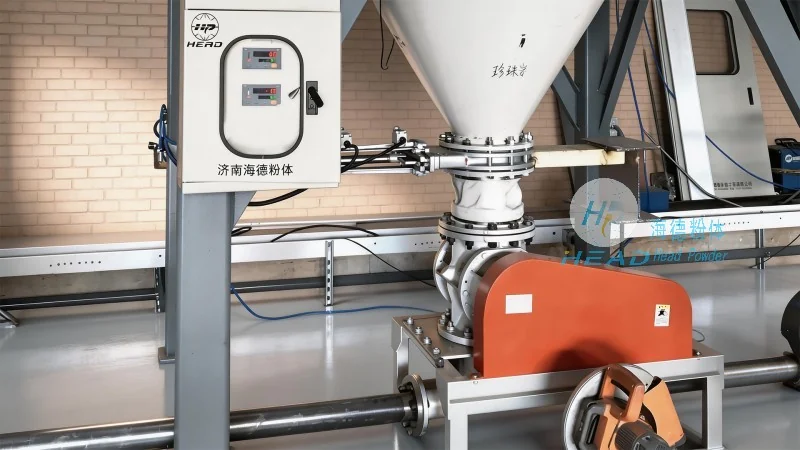
Key Components of PP Material Conveying Systems
The core components of a typical PP material conveying system include hoppers, feeders, conveyors (such as screw conveyors or pneumatic systems), and control units. Hoppers are used to store and feed the PP material into the system, while feeders regulate the flow rate to maintain consistent material delivery. Conveyors then transport the material to the processing equipment, such as extruders or mixers. Control units monitor and adjust the system parameters to ensure stable operation. Each component plays a crucial role in the overall efficiency and reliability of the conveying process.
Operation Process of PP Material Conveying
The operation process of a PP material conveying system typically begins with material loading into the hopper. The material is then fed into the conveyor system through a feeder, which controls the flow rate based on the system's requirements. The conveyor transports the PP material to the processing equipment, where it is further processed. The entire process is monitored by control units that adjust parameters like speed, pressure, and flow rate to maintain optimal performance. Regular maintenance and monitoring are essential to ensure the system operates efficiently and prevents downtime.
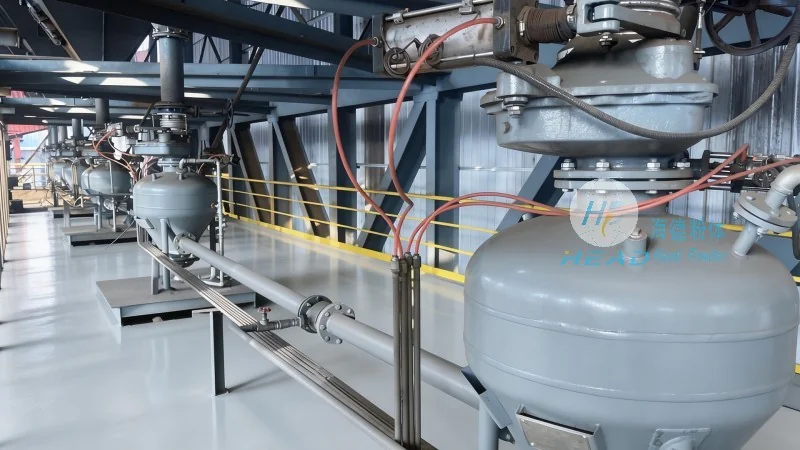
Working Principle of PP Material Conveying
The working principle of PP material conveying systems can vary depending on the type of conveyor used. For example, screw conveyors use rotating screws to push the material forward, while pneumatic systems use air pressure to transport the material through pipes. In screw conveyors, the rotating screw displaces the material, creating a continuous flow. Pneumatic systems, on the other hand, use compressed air to create a pressure differential that moves the material. Both systems are designed to handle PP materials effectively, ensuring minimal degradation and consistent flow. The choice of conveyor type depends on factors such as material properties, system requirements, and operational constraints.
Efficiency and Reliability in PP Material Conveying
Efficiency and reliability are critical factors in PP material conveying systems. The system must be able to handle the material's characteristics, such as its density, flowability, and moisture content, without causing blockages or degradation. Proper design and maintenance are essential to ensure the system operates efficiently and meets production demands. Regular inspections and maintenance, including cleaning, lubrication, and component replacement, help maintain the system's performance and extend its lifespan. Additionally, the use of advanced control systems allows for real-time monitoring and adjustment, further enhancing the system's reliability and efficiency.
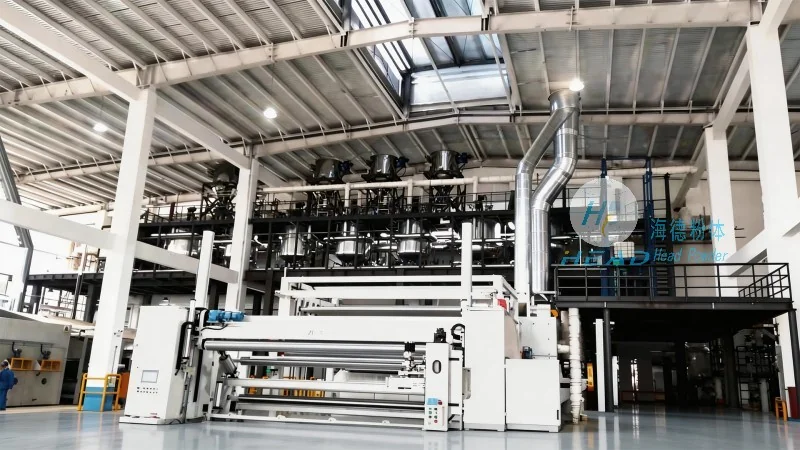
Applications and Industries
PP material conveying systems are widely used in various industries, including plastics manufacturing, chemical processing, and food processing. In plastics manufacturing, these systems are used to transport PP granules or powders to extrusion lines, ensuring a consistent supply of material for production. In chemical processing, they are used to handle PP-based compounds or additives, facilitating the mixing and processing of these materials. The versatility of PP material conveying systems makes them suitable for a wide range of applications, making them an essential part of industrial operations.
Conclusion
PP material conveying systems are vital components in industrial processes, ensuring the efficient and reliable handling of polypropylene materials. The operation process and working principle of these systems involve careful design and integration of key components, such as hoppers, feeders, and conveyors, to achieve optimal performance. Regular maintenance and monitoring are essential to maintain the system's efficiency and reliability. With proper design and operation, PP material conveying systems can significantly improve production efficiency and reduce material loss, making them a valuable asset in various industrial applications. Shandong HeadPowder Engineering Co., Ltd. continues to innovate and provide advanced conveying solutions to meet the evolving needs of the industry.




