Shandong HeadPowder Engineering Co., Ltd. is a professional manufacturer specializing in material conveying solutions, particularly for the food processing sector. The company, commonly known as HeadPowder, is headquartered in Shandong, China, and has established itself as a reliable partner in the development of efficient and safe conveying systems for various industrial applications, including rice noodle production. This article provides a detailed overview of the operation process and working principle of rice noodle material conveying systems, highlighting the key components, operational steps, and technical aspects that ensure optimal performance.
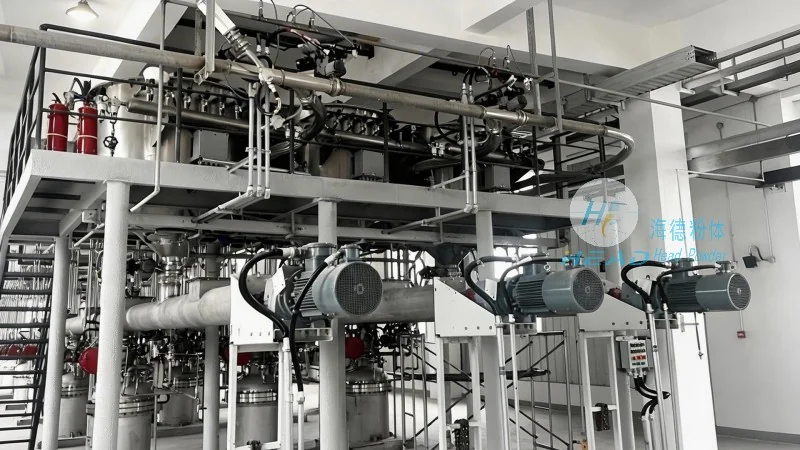
Key Components of the Rice Noodle Material Conveying System
The rice noodle material conveying system typically consists of several critical components that work in tandem to facilitate the smooth transport of raw materials or finished products. These components include the drive unit, conveyor belt or screw mechanism, support structure, and control system. The drive unit, often powered by electric motors, provides the necessary force to move the conveying medium. For rice noodle applications, where materials may be delicate or require gentle handling, the choice of conveyor type is crucial. Common options include belt conveyors, which use a flexible belt to transport items, and screw conveyors, which utilize a rotating screw to push materials forward. The support structure ensures stability and proper alignment of the conveyor, while the control system allows for monitoring and adjustment of operational parameters.
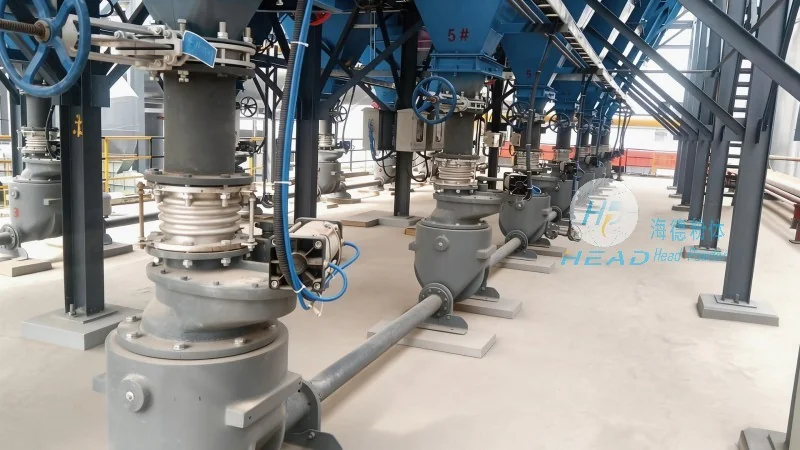
Working Principle of the Conveying Mechanism
The working principle of a rice noodle material conveying system revolves around the transfer of mechanical energy from the drive unit to the conveying medium. In a belt conveyor system, the electric motor drives a pulley or gear system, which in turn rotates the conveyor belt. As the belt moves, it transports the rice noodle materials along the designated path. The speed and tension of the belt are carefully controlled to prevent material damage and ensure consistent throughput. For screw conveyors, the motor rotates a helical screw, which pushes the materials forward through the trough. This mechanism is particularly effective for handling bulk materials like rice flour or partially processed noodle dough. The design of the screw, including its pitch and diameter, is optimized to match the specific characteristics of the rice noodle material, such as moisture content and particle size, to minimize friction and prevent clogging.
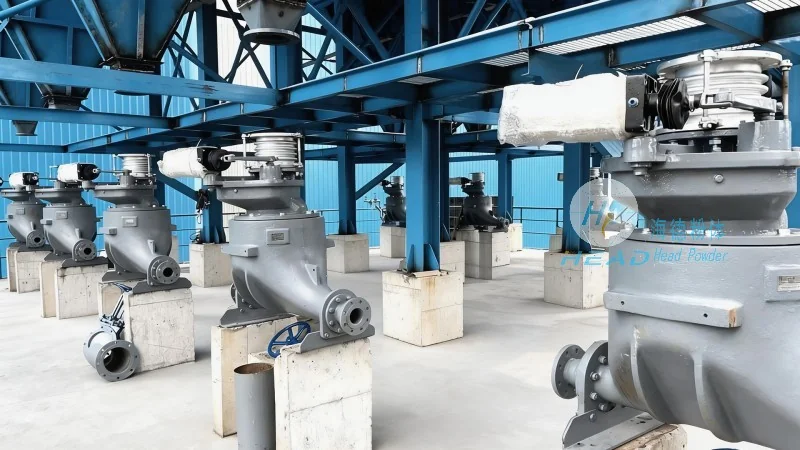
Operation Process: Step-by-Step Overview
The operation process of a rice noodle material conveying system involves a series of sequential steps that ensure efficient material handling from the point of entry to the point of exit. The first step is the loading of materials into the conveyor inlet. This may involve manual or automated feeding, depending on the production scale. Once loaded, the materials are transported along the conveyor path. The system may include intermediate stations for processing or sorting, such as cleaning or mixing, which are integrated into the conveyor line. At the discharge end, the materials are collected and transferred to the next stage of production. The control system continuously monitors parameters like speed, temperature, and material flow rate, allowing for real-time adjustments to maintain optimal performance. Safety features, such as emergency stop buttons and protective guards, are also incorporated to ensure operational safety.
Ensuring Efficiency and Reliability in Rice Noodle Conveying
Efficiency and reliability are paramount in rice noodle material conveying systems, as any downtime or material loss can impact production output and product quality. Shandong HeadPowder Engineering Co., Ltd. employs advanced engineering principles and high-quality materials to design systems that meet these requirements. The use of durable materials, such as stainless steel for the conveyor components, ensures resistance to corrosion and easy cleaning, which is essential for food processing applications. Regular maintenance procedures, including lubrication of moving parts and inspection of the conveyor belt or screw, are recommended to prolong the system's lifespan and maintain performance. Additionally, the company offers customization options to tailor the conveying system to specific production needs, ensuring that the equipment operates at peak efficiency for rice noodle manufacturers.
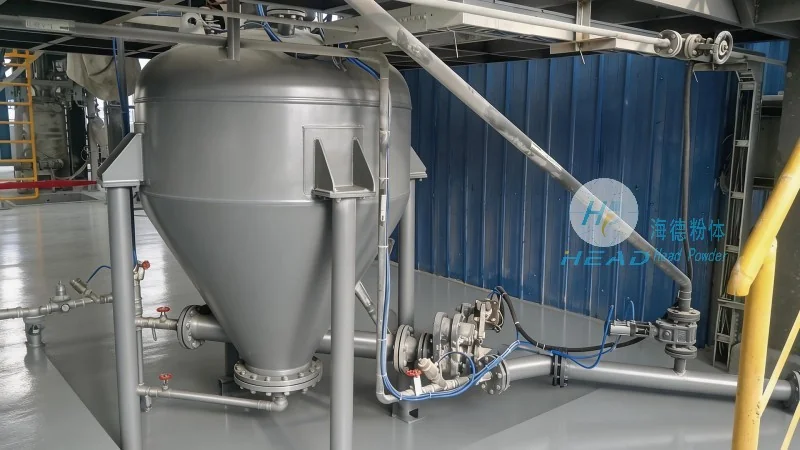
Conclusion: The Role of Advanced Conveying Systems in Rice Noodle Production
In conclusion, the operation process and working principle of rice noodle material conveying systems are critical to the efficiency and success of rice noodle production. By understanding the key components, mechanical workings, and operational steps, manufacturers can optimize their conveying systems to enhance productivity and maintain product quality. Shandong HeadPowder Engineering Co., Ltd., with its expertise in material conveying solutions, provides reliable and efficient systems that cater to the unique demands of the rice noodle industry. Whether for transporting raw ingredients or finished products, these systems play a vital role in streamlining production processes and ensuring consistent output.




