At Shandong HeadPowder Engineering Co., Ltd., we specialize in the design and implementation of efficient paddy grain material conveying systems. These systems are crucial for the smooth operation of rice processing facilities, ensuring that paddy grains are transported from one stage of processing to another with minimal loss and maximum efficiency. The operation process and working principle of such systems involve a series of carefully engineered components that work in tandem to achieve optimal performance.
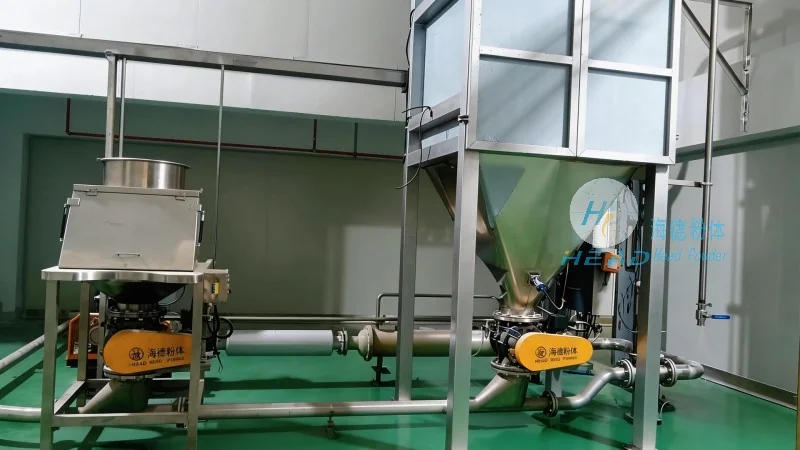
Key Components and Their Roles
The core components of a paddy grain material conveying system typically include feed hoppers, conveyor belts or screw conveyors, pneumatic conveyors, and control systems. Each component plays a vital role in the overall operation. The feed hopper is responsible for holding and regulating the flow of paddy grains into the system. It ensures a consistent feed rate, which is essential for maintaining the efficiency of downstream processing equipment. The conveyor system, whether it's a belt conveyor or a screw conveyor, is designed to transport the paddy grains horizontally or at a slight incline. This component is engineered to handle the weight and bulk of the grains while minimizing friction and wear. For vertical or longer horizontal distances, pneumatic conveyors are often used. These systems utilize air pressure to move the grains through a pipeline, providing a flexible and efficient means of transport.
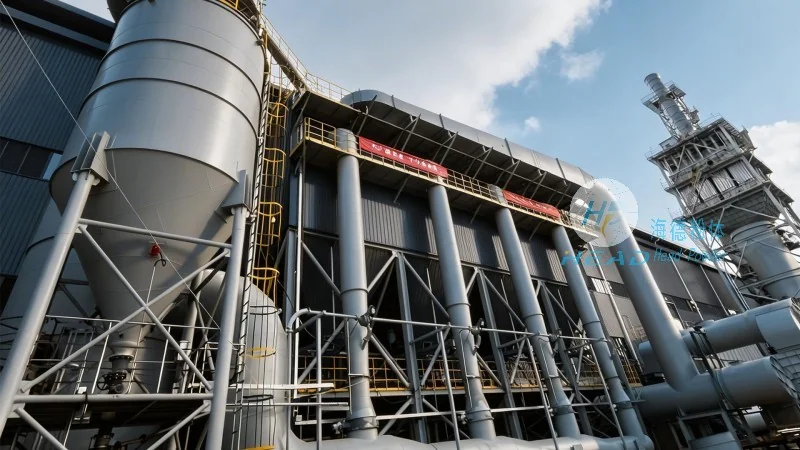
Operation Process: Step-by-Step Overview
The operation process of a paddy grain material conveying system begins with the loading of paddy grains into the feed hopper. The hopper is equipped with a flow control valve that regulates the amount of grain released into the conveyor. As the grains move along the conveyor, they are subjected to gentle agitation or vibration to prevent clogging and ensure even distribution. For pneumatic conveyors, the grains are introduced into the air stream at the inlet, where they are carried by the air flow through the pipeline. The system is designed with appropriate pressure and velocity settings to maintain the stability of the grain-air mixture. At the discharge end, the grains are collected in a receiving hopper or directly fed into the next processing stage, such as cleaning or milling.
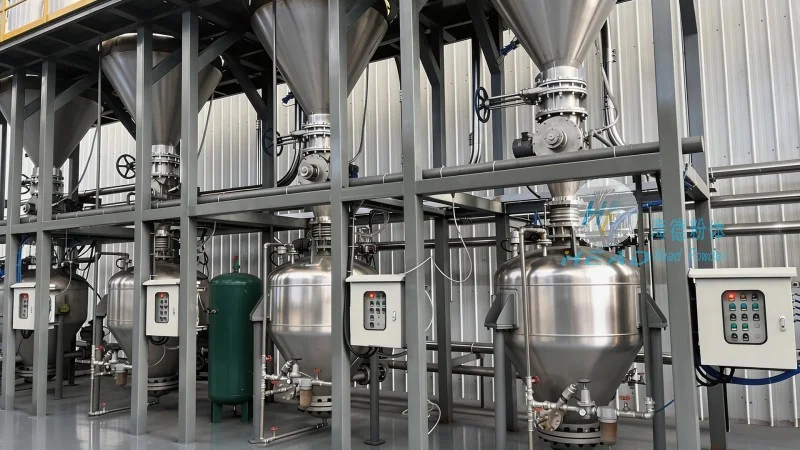
Working Principle: Mechanical and Pneumatic Dynamics
The working principle of paddy grain material conveying systems combines mechanical and pneumatic dynamics to achieve efficient transport. In mechanical conveyors, the primary force is gravity and the friction between the grains and the conveyor surface. The design of the conveyor belt or screw ensures that the grains are moved by the continuous rotation of the mechanism. The angle of inclination is carefully calculated to balance the gravitational force with the frictional force, allowing the grains to move without excessive energy consumption. In pneumatic conveyors, the working principle is based on the principles of fluid dynamics. The air is compressed and then released into the conveying pipeline, creating a flow that propels the grains forward. The velocity of the air and the size of the particles are critical factors that determine the efficiency of the system. Proper air pressure and flow rate are essential to prevent particle separation and ensure uniform transport.
Efficiency and Maintenance Considerations
Efficiency in paddy grain material conveying systems is achieved through careful design and regular maintenance. The system is engineered to minimize energy consumption while maximizing throughput. Regular maintenance, including cleaning of the conveyor surfaces, checking for wear and tear on components, and ensuring proper air pressure in pneumatic systems, is crucial for maintaining optimal performance. HeadPowder's expertise in designing these systems ensures that clients receive equipment that is not only efficient but also durable and easy to maintain. By adhering to the recommended maintenance schedule, facilities can extend the lifespan of their conveying systems and reduce operational costs.
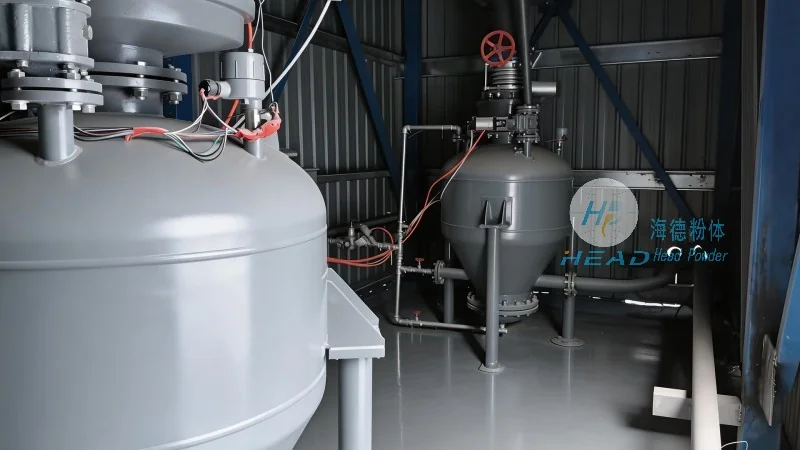
Conclusion: The Importance of Reliable Conveying Systems
In conclusion, the operation process and working principle of paddy grain material conveying systems are integral to the efficient processing of rice. At Shandong HeadPowder Engineering Co., Ltd., we understand the critical role these systems play in the rice industry. Our commitment to quality and innovation ensures that our clients receive the best possible solutions for their material handling needs. By leveraging our expertise in mechanical and pneumatic engineering, we provide systems that are tailored to the specific requirements of each facility, ensuring reliable and efficient transport of paddy grains throughout the processing cycle.




