Shandong HeadPowder Engineering Co., Ltd., a professional manufacturer based in Shandong, China, specializes in the design, production, and supply of advanced material handling systems tailored for sodium sulfate powder. This article provides a detailed overview of the operational process and working principles involved in the efficient transportation of sodium sulfate powder, highlighting key components, system integration, and the technical aspects that ensure reliable performance.
Company Overview and Expertise
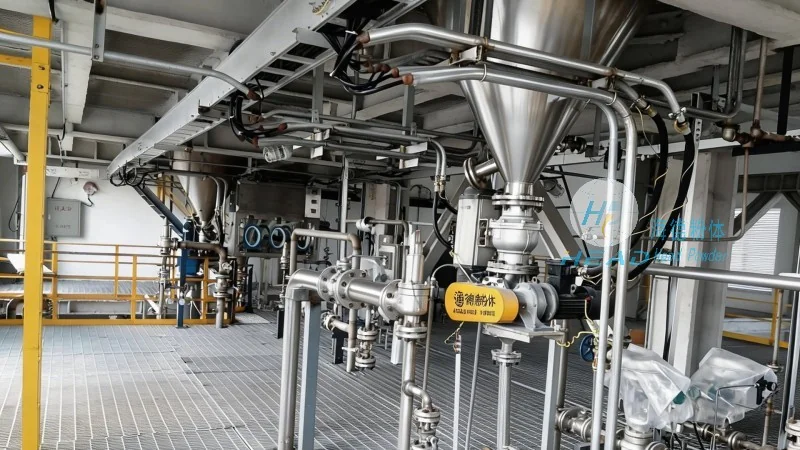
HeadPowder, as the company's brand, represents a commitment to quality and innovation in the field of bulk material handling. With years of experience in the industry, Shandong HeadPowder Engineering Co., Ltd. has developed a comprehensive range of solutions for handling various powder materials, including sodium sulfate. The company's expertise lies in understanding the unique properties of sodium sulfate—such as its granular structure, moisture sensitivity, and flow characteristics—and designing systems that optimize material flow while minimizing downtime and operational costs.
The Material Handling System for Sodium Sulfate Powder
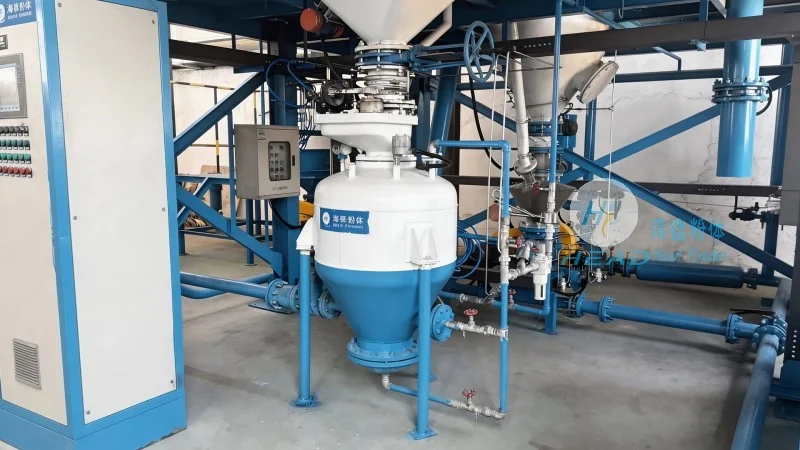
The material handling system for sodium sulfate powder typically consists of several interconnected components, each playing a critical role in the overall process. The system begins with the storage of sodium sulfate powder in bulk storage silos or hoppers. These storage vessels are designed to accommodate large volumes of material and are equipped with features such as aeration systems to prevent caking and maintain material flowability. The storage silos are usually constructed from durable materials like stainless steel or corrosion-resistant alloys to withstand the chemical properties of sodium sulfate and ensure long-term durability.
Feeding and Conveying Mechanisms
Once the sodium sulfate powder is stored, it is transferred to the feeding system. This stage involves the use of specialized feeding equipment, such as rotary valves or screw feeders, which regulate the flow of material from the storage silos to the conveyor system. The feeding mechanism is crucial for maintaining a consistent and controlled flow rate, preventing overloading or underloading of the conveyor. For sodium sulfate powder, which can be prone to bridging or sticking, the feeding equipment is often equipped with anti-sticking coatings or vibration mechanisms to ensure smooth material transfer.
Conveyor System Design and Operation
The conveyor system is the core component of the material handling process, responsible for transporting sodium sulfate powder from the storage area to the processing or packaging stations. There are several types of conveyors suitable for sodium sulfate powder, including belt conveyors, bucket elevators, and pneumatic conveying systems. Belt conveyors are commonly used for horizontal or slight incline transport due to their simplicity and efficiency. They consist of a continuous belt that moves over rollers, with the material placed on the belt and carried to the destination. For vertical or steep incline transport, bucket elevators are preferred, as they use a series of buckets attached to a chain or belt to lift and transport material vertically. Pneumatic conveying systems, on the other hand, use air pressure to move the powder through a pipeline, which is ideal for long-distance or enclosed transport but requires careful control of air pressure and flow to prevent material degradation or clogging.
Control and Monitoring Systems
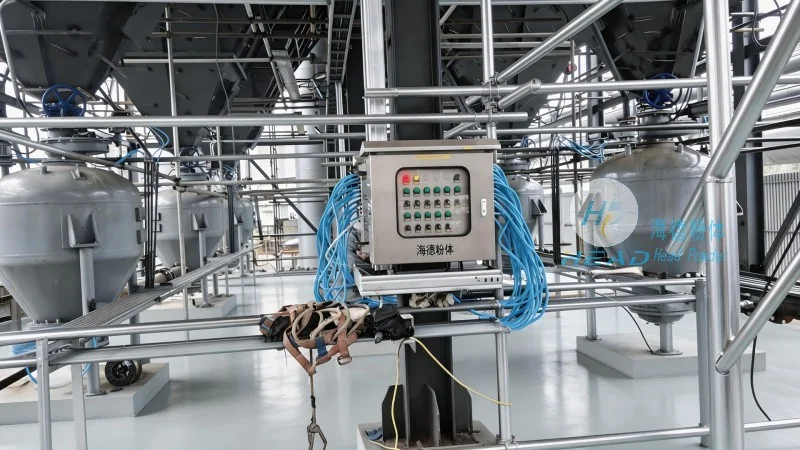
To ensure the smooth operation of the sodium sulfate powder handling system, advanced control and monitoring systems are integrated. These systems typically include sensors and control panels that monitor key parameters such as flow rate, pressure, and temperature. For example, flow sensors can detect the rate of material movement, while pressure sensors can monitor the air pressure in pneumatic systems. The control system uses this data to adjust the operation of the feeding and conveying equipment in real-time, ensuring that the system operates within optimal parameters. Additionally, the monitoring systems provide alerts for any abnormalities, such as blockages or overloads, allowing for immediate intervention and minimizing the risk of system downtime.
Maintenance and Safety Considerations
Maintenance is a critical aspect of ensuring the long-term reliability of the sodium sulfate powder handling system. Regular maintenance activities include cleaning of equipment, inspection of conveyor belts and buckets, and replacement of worn parts. For sodium sulfate powder, which can be abrasive and corrosive, the maintenance schedule is often more frequent to prevent equipment damage and ensure consistent performance. Safety considerations are also paramount in the operation of these systems. Proper ventilation is essential to prevent the accumulation of dust, which can be a health hazard. Additionally, the system is equipped with safety features such as emergency stop buttons and interlocks to prevent accidents and ensure the safety of operators.
Conclusion
The operation process and working principle of sodium sulfate powder material handling involve a sophisticated integration of storage, feeding, conveying, and control systems. Shandong HeadPowder Engineering Co., Ltd. leverages its expertise in material handling to design and implement systems that meet the specific requirements of sodium sulfate powder, ensuring efficient, reliable, and safe transportation. By understanding the unique properties of sodium sulfate and incorporating advanced technologies, the company provides solutions that enhance productivity and reduce operational costs for its clients.




