Shandong HeadPowder Engineering Co., Ltd. specializes in the design, manufacturing, and integration of advanced material handling systems tailored to diverse industrial needs. Based in Shandong, China, the company leverages decades of expertise to deliver efficient, reliable solutions for transporting bulk materials across various sectors.
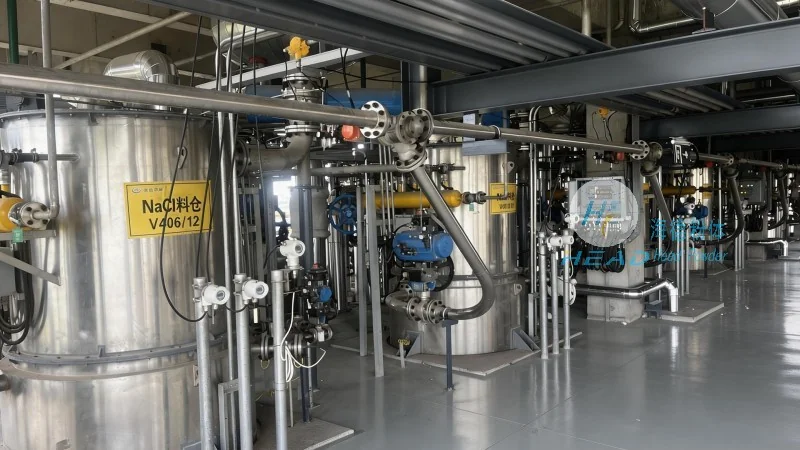
Overview of Multi-functional Material Handling Systems
Multi-functional material handling systems are sophisticated industrial solutions engineered to transport, store, and manage bulk materials with precision and efficiency. These systems integrate multiple components, such as conveyors, elevators, and sorting mechanisms, to create a seamless workflow tailored to specific operational requirements. The design emphasizes adaptability, allowing for customization based on material type, volume, and application, ensuring optimal performance in diverse industrial environments.
Key Components and Their Roles
The core components of a multi-functional material handling system include conveyor belts, vertical elevators, storage silos, and control panels. Conveyor belts, typically made of durable rubber or plastic, facilitate horizontal material movement, while vertical elevators, such as bucket elevators or chain conveyors, enable vertical transport between different levels. Storage silos are used to temporarily hold materials, ensuring a steady supply for downstream processes. The control panel, equipped with sensors and programmable logic controllers (PLCs), monitors system performance, adjusts speeds, and manages operational parameters to maintain optimal efficiency.
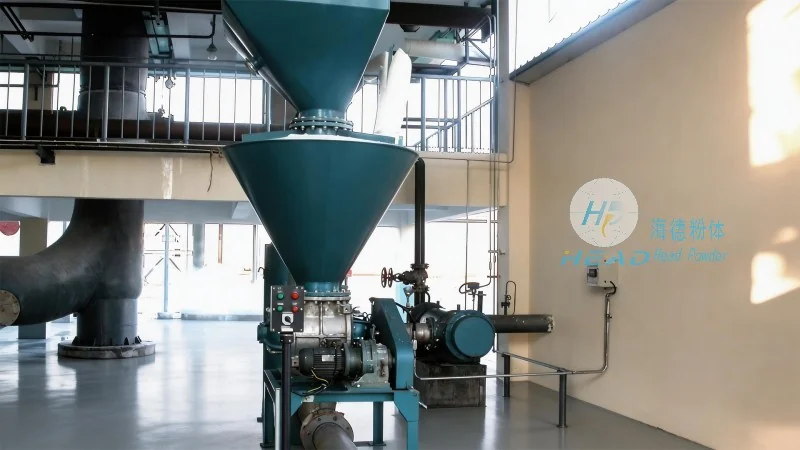
System Operation Process
The operation of a multi-functional material handling system begins with material intake at the loading station. Materials are fed into the system via hoppers or feeders, which direct the flow into the primary conveyor. The conveyor transports the material horizontally to the vertical elevator, where it is lifted to the desired elevation. At the elevated position, the material is then transferred to a secondary conveyor or storage silo, depending on the system configuration. The control panel continuously monitors the entire process, adjusting conveyor speeds and elevator movements to ensure smooth material flow and prevent bottlenecks. This integrated approach minimizes downtime and maximizes throughput, making the system highly effective for high-volume operations.
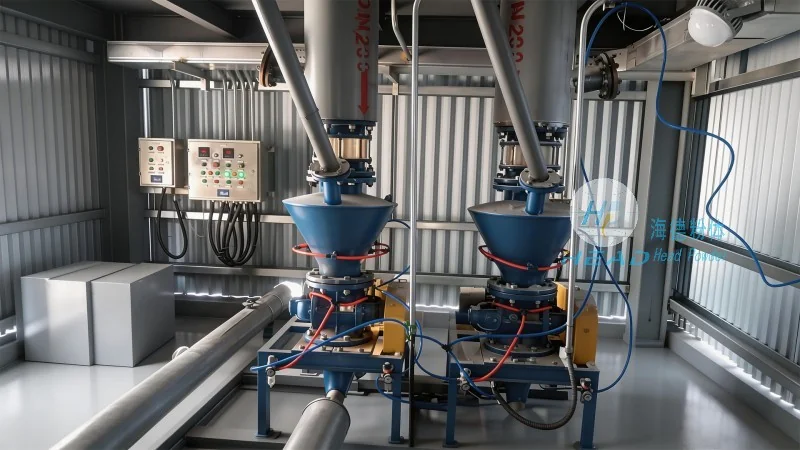
Working Principle of the System
The working principle of a multi-functional material handling system is based on mechanical and electrical integration. The system operates by converting electrical energy into mechanical motion through motors and actuators. Sensors, such as photoelectric or proximity sensors, detect material presence and position, providing real-time feedback to the control system. The PLC processes this data and sends commands to adjust the speed and direction of the conveyor and elevator. This closed-loop control ensures that the system responds dynamically to changes in material volume or flow rate, maintaining consistent performance. Additionally, the system incorporates safety features, such as emergency stop buttons and overload protection, to prevent accidents and ensure operator safety.
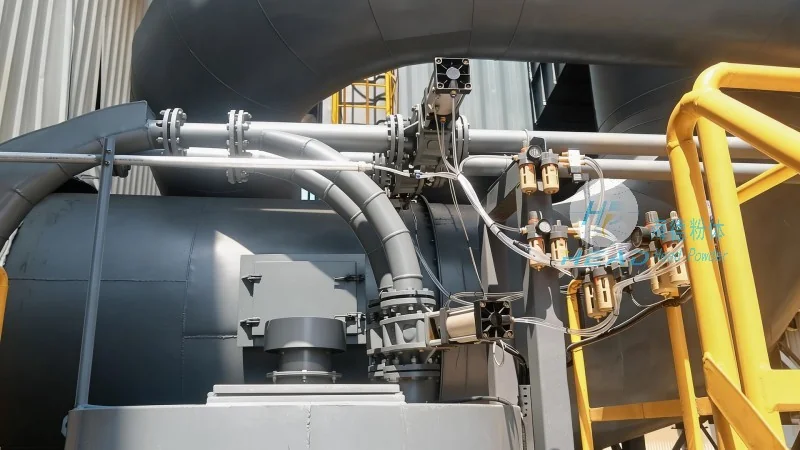
Customization and Application Flexibility
Shandong HeadPowder Engineering Co., Ltd. offers extensive customization options to meet the unique demands of different industries. For example, in the food processing sector, systems may include sanitary design features and stainless steel components to comply with hygiene regulations. In the mining industry, heavy-duty materials and high-capacity conveyors are employed to handle abrasive and large-sized materials. The company’s expertise in material handling allows for tailored solutions that enhance productivity, reduce labor costs, and improve overall operational efficiency. By integrating advanced technology with practical design, the systems are adaptable to various production environments, ensuring long-term reliability and performance.
Maintenance and Longevity
To ensure the longevity and reliability of multi-functional material handling systems, regular maintenance is essential. The company provides comprehensive maintenance services, including routine inspections, component replacement, and system calibration. Key maintenance tasks include checking conveyor belt tension, lubricating moving parts, and inspecting sensor functionality. By adhering to a preventive maintenance schedule, operators can minimize unexpected breakdowns and extend the system's operational life. The use of high-quality materials and robust construction further contributes to the system's durability, ensuring consistent performance over extended periods. This commitment to maintenance and quality ensures that the systems remain efficient and reliable, supporting the long-term success of industrial operations.




