Plaster powder material handling systems are essential for the efficient and safe transportation of plaster powders in construction and industrial applications. These systems are designed to handle the unique characteristics of plaster powders, such as their fine particle size, low bulk density, and potential for dust generation. The system developed by Shandong HeadPowder Engineering Co., Ltd. (commonly known as HeadPowder) integrates advanced technology to ensure reliable operation and optimal performance in various environments. This article provides a detailed overview of the operation process and working principles of such systems, highlighting the key components and their functions.
Key Components of the Material Handling System
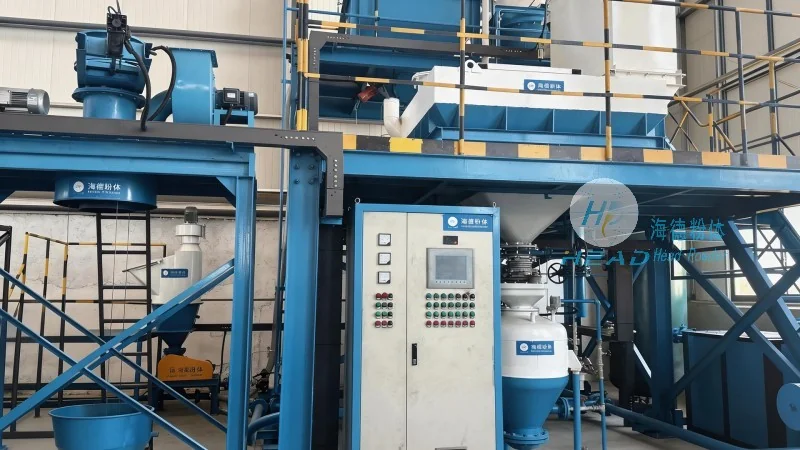
The plaster powder material handling system consists of several critical components that work in tandem to achieve efficient material transport. The main components include a hopper for material storage, a conveyor system (such as a screw conveyor or pneumatic conveyor) for moving the powder, a dust collection system to control airborne particles, and a control panel for monitoring and regulating the operation. Each component plays a vital role in ensuring the smooth flow of plaster powder from the storage area to the processing or packaging stage. The hopper is typically made of durable materials like stainless steel or high-density polyethylene to prevent material degradation and contamination. It is equipped with a discharge valve that allows controlled release of the powder into the conveyor system. The conveyor system is designed to handle the low bulk density and fine particle nature of plaster powders, using gentle agitation to prevent clogging and ensure consistent flow. The dust collection system, often integrated with the conveyor, uses filters and fans to capture and remove airborne dust, maintaining a clean and safe working environment. The control panel provides operators with real-time monitoring of system parameters, including pressure, flow rate, and temperature, allowing for immediate adjustments to maintain optimal performance.
Operation Process of the Material Handling System
The operation process of the plaster powder material handling system begins with the loading of plaster powder into the hopper. The powder is typically fed into the hopper from a bulk storage container or a mixing plant. Once the hopper is filled, the discharge valve is opened, allowing the powder to flow into the conveyor system. The conveyor system then transports the powder through a series of pipes or channels to the processing or packaging area. The speed of the conveyor is controlled by the control panel, which adjusts the flow rate based on the demand from downstream processes. During the transport process, the dust collection system continuously operates to capture any particles that may be released from the conveyor or hopper. This ensures that the working environment remains clean and free from dust accumulation, which can be hazardous and affect the quality of the plaster powder. The system also includes safety features such as pressure relief valves and emergency stop buttons to prevent accidents and ensure the safety of operators. The entire operation is automated, with minimal human intervention required, reducing the risk of errors and improving overall efficiency.
Working Principle of the Material Handling System
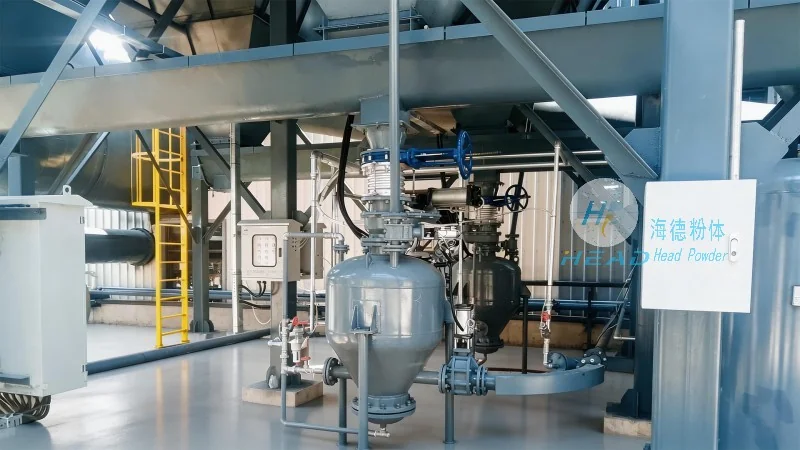
The working principle of the plaster powder material handling system is based on the principles of fluidization and pneumatic transport. The system uses a combination of mechanical and pneumatic forces to move the plaster powder through the system. The hopper provides a storage chamber where the powder is held under controlled pressure. The discharge valve regulates the flow of powder into the conveyor system, which may be a screw conveyor or a pneumatic conveyor. In a screw conveyor, the powder is moved by a rotating screw that pushes the material forward. The screw is designed with a specific pitch and diameter to handle the fine particles of plaster powder without causing excessive friction or clogging. The pneumatic conveyor, on the other hand, uses compressed air to create a flow of air and powder mixture, transporting the material through the system. The air pressure is carefully controlled to ensure that the powder is carried at a consistent velocity without causing excessive wear on the system components. The dust collection system works by creating a negative pressure in the conveyor lines, drawing the airborne particles into the filter system. The filter media, typically made of fabric or fiber, traps the particles, while clean air is released back into the environment. The control panel monitors the pressure and flow rates in the system, adjusting the air supply or conveyor speed as needed to maintain optimal conditions. This closed-loop control system ensures that the material handling process is efficient, reliable, and safe.
Technical Advantages and Performance Characteristics
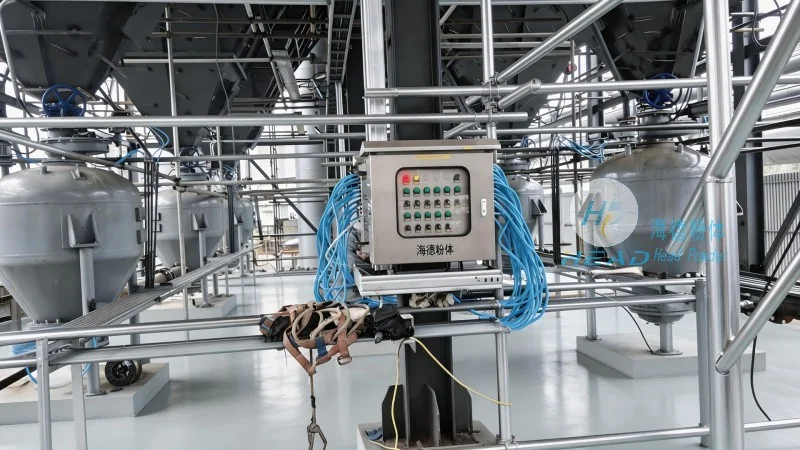
The plaster powder material handling system developed by Shandong HeadPowder Engineering Co., Ltd. offers several technical advantages that make it suitable for various applications. One of the key advantages is its ability to handle fine and low-density materials without clogging or blockages. The system's design minimizes friction and wear, ensuring long-term reliability and low maintenance costs. The dust collection system is highly effective in controlling airborne particles, meeting environmental regulations and maintaining a safe working environment. The automated control system reduces the need for manual intervention, improving operational efficiency and reducing the risk of human error. The system is also designed for easy integration with other processing equipment, allowing for seamless flow from material handling to processing or packaging. The use of durable materials in the construction of the hopper and conveyor components ensures that the system can withstand the harsh conditions of industrial environments, including exposure to moisture and temperature fluctuations. The system's performance is characterized by high flow rates, consistent material transport, and low energy consumption, making it an economical choice for plaster powder handling applications. Additionally, the system is designed with safety features that comply with industry standards, ensuring the protection of operators and the surrounding environment.
Application and Industry Use Cases
The plaster powder material handling system is widely used in the construction industry for the transportation of plaster powders to construction sites or processing facilities. It is also used in industrial applications where plaster powders are used as raw materials for manufacturing other products, such as building materials or coatings. The system is particularly useful in large-scale production facilities where the efficient handling of bulk materials is critical to maintaining production rates. The system's ability to handle fine particles and control dust makes it suitable for applications where product quality and environmental compliance are paramount. For example, in the production of gypsum plaster, the system ensures that the powder is transported without degradation or contamination, maintaining the quality of the final product. In the construction sector, the system helps to reduce labor costs and improve the speed of material delivery to job sites, enhancing overall project efficiency. The system is also used in industrial plants that produce plaster powders for use in decorative applications, where the consistency and purity of the powder are essential. The adaptability of the system allows it to be customized for different production volumes and application requirements, making it a versatile solution for various plaster powder handling needs.




