Automatic quantitative powder material handling equipment is a critical component in modern industrial settings, particularly in industries like pharmaceuticals, food processing, and chemical manufacturing. These systems are engineered to accurately measure and transport powders, ensuring consistent quality and efficiency in material handling processes. The operation of such equipment is vital for maintaining product integrity and optimizing production workflows, making it an indispensable tool for businesses aiming to enhance their operational performance.
About Shandong HeadPowder Engineering Co., Ltd.
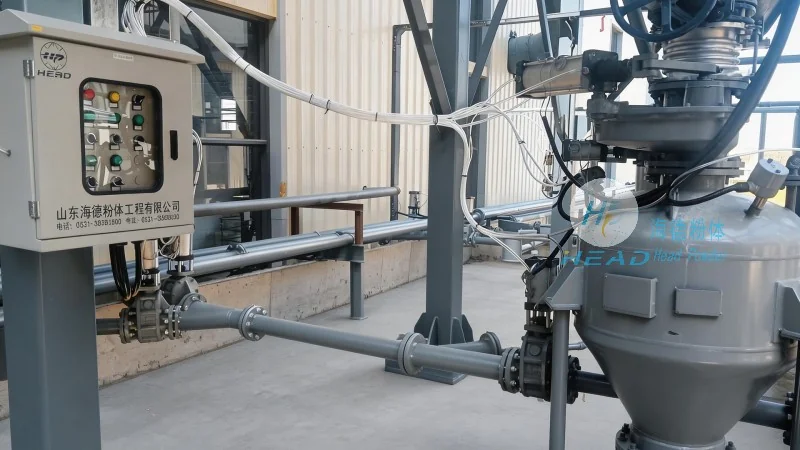
Headpowder, a prominent manufacturer of advanced powder handling solutions, is headquartered in Shandong, China. The company specializes in developing high-precision equipment tailored to the diverse needs of industrial clients. With a strong focus on innovation and precision engineering, Headpowder has established itself as a trusted provider of reliable and efficient powder handling systems. The company's operational base in Shandong allows it to leverage local expertise and resources to deliver cutting-edge solutions that meet global standards.
System Architecture and Core Components
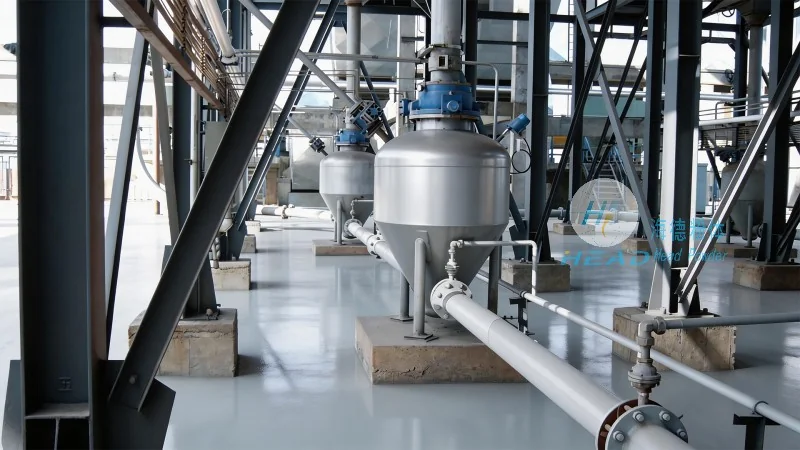
The automatic quantitative powder material handling system comprises several integrated components that work in harmony to achieve precise material measurement and transport. The primary components include a bulk powder hopper for storage, a high-precision weighing or dosing unit, a conveyor system for material transport, and a sophisticated control system equipped with sensors and software. The hopper is designed to accommodate bulk quantities of powder, while the weighing unit utilizes advanced load cells or similar sensors to measure the weight of the powder with exceptional accuracy. The conveyor system, often adjustable in speed and direction, transports the measured powder to the discharge point. The control system, integrated with real-time monitoring capabilities, adjusts the operation based on feedback from the weighing unit to maintain consistent output.
Step-by-Step Operation Process
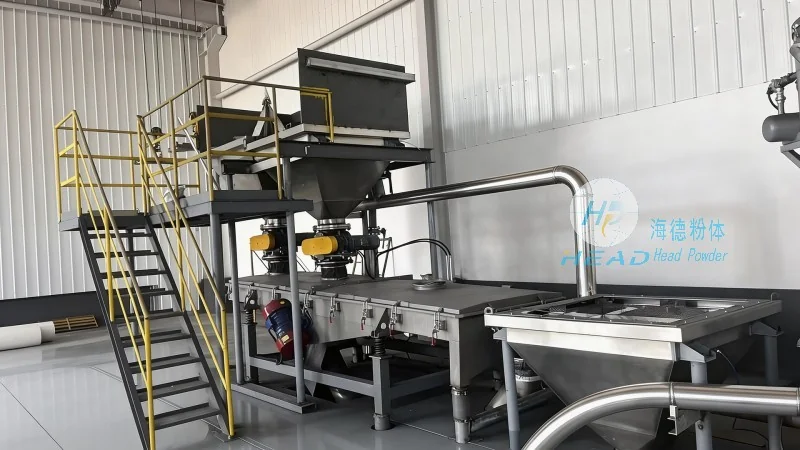
The operation of the automatic quantitative powder material handling equipment follows a systematic and repeatable process to ensure accurate and reliable material delivery. The process begins with the loading of the hopper with the powder material. The control system then activates the weighing unit, which measures the initial weight of the powder in the hopper. Once the target weight is achieved, the system triggers the conveyor to transport the measured powder to the discharge point. Simultaneously, the weighing unit resets to prepare for the next measurement cycle. This cycle repeats continuously, providing a steady and controlled flow of powder to downstream processes. The system is designed to handle varying powder characteristics, such as density and flowability, by adjusting the measurement parameters in real-time to maintain accuracy.
Working Principle: Closed-Loop Control and Precision Measurement
The working principle of the automatic quantitative powder material handling equipment is centered on closed-loop control and precision measurement technology. The weighing unit continuously monitors the weight of the powder in the hopper and compares it with the preset target weight. The control system processes this data and adjusts the conveyor speed or other operational parameters to achieve the desired measurement. Advanced algorithms and real-time data processing enable the system to compensate for variations in powder properties, ensuring consistent output even under changing conditions. This feedback mechanism minimizes errors and enhances the overall reliability of the equipment, making it suitable for critical applications where precision is paramount.
Applications and Industry Benefits
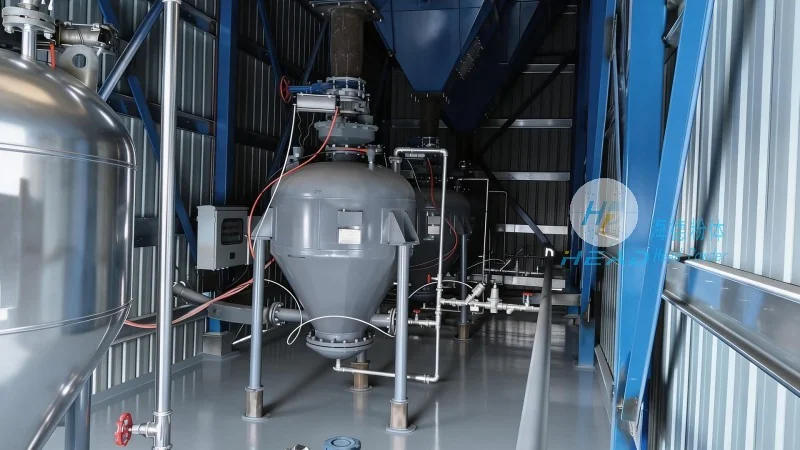
The automatic quantitative powder material handling equipment finds extensive applications across various industries, offering significant benefits to operational efficiency and product quality. In pharmaceutical manufacturing, precise dosing is essential for ensuring the safety and efficacy of medicinal products. The equipment's accuracy helps maintain consistent drug formulations, reducing the risk of batch-to-batch variations. In food processing, accurate measurement of ingredients is crucial for meeting regulatory standards and maintaining product consistency. The equipment also contributes to reduced material waste and lower operational costs by optimizing the use of raw materials. Additionally, its reliability and low maintenance requirements make it a cost-effective solution for businesses seeking to streamline their material handling processes.




