For industries dealing with bulk materials like sawdust and wood flour, efficient material handling is crucial for maintaining production efficiency and product quality. A key technology in this field is the pneumatic conveying system, which uses air pressure to transport powders and granules. This article explores the operation process and working principle of a sawdust and wood flour pneumatic conveying machine, highlighting how it enhances material transport in industrial applications.
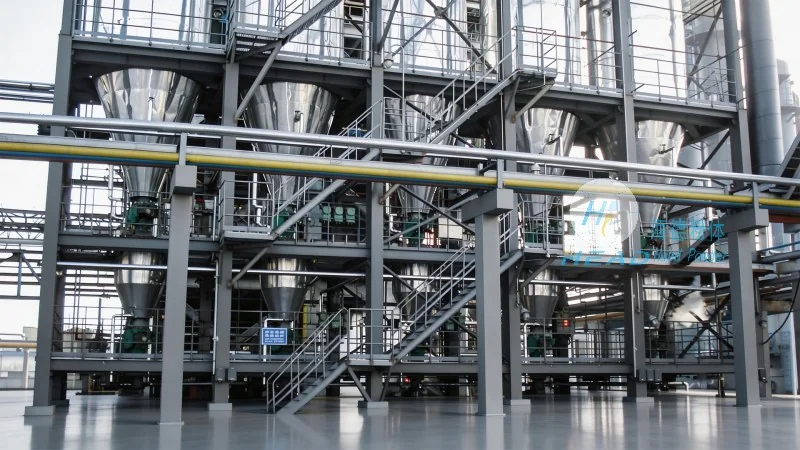
Introduction to Pneumatic Conveying Systems
Pneumatic conveying, also known as pneumatic transport, is a method of moving bulk materials through a pipeline using air or gas as the conveying medium. This technology is widely used in various industries, including woodworking, food processing, and chemical manufacturing, due to its ability to handle fine powders and granules with minimal product degradation. The sawdust and wood flour pneumatic conveying machine specifically addresses the challenges of transporting these lightweight, dusty materials, which are prone to caking and segregation if handled improperly.
Key Components of the Sawdust and Wood Flour Pneumatic Conveying Machine
The sawdust and wood flour pneumatic conveying machine consists of several critical components that work in tandem to ensure efficient material transport. These components include the material hopper, feeder, air compressor, conveying line, and receiver. Each component plays a vital role in the overall operation of the system. The material hopper is designed to store the sawdust or wood flour, providing a consistent feed to the feeder. The feeder, typically a rotary valve or screw feeder, controls the flow rate of the material into the conveying line. The air compressor generates the necessary air pressure to move the material through the pipeline. The conveying line, often made of stainless steel or other corrosion-resistant materials, ensures the material is transported without blockages. Finally, the receiver collects the material at the destination point, completing the transport cycle.
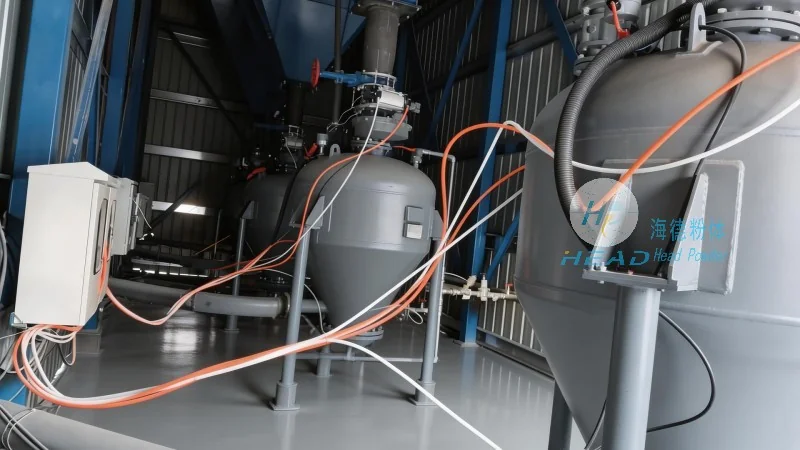
Operation Process of the Sawdust and Wood Flour Pneumatic Conveying Machine
The operation process of the sawdust and wood flour pneumatic conveying machine involves several sequential steps. First, the material is loaded into the hopper from a storage silo or bulk container. The feeder then regulates the flow of material into the conveying line, ensuring a steady supply. Simultaneously, the air compressor operates, generating compressed air that is introduced into the conveying line. As the air flows through the line, it entrains the sawdust or wood flour particles, creating a slurry-like mixture that moves along the pipeline. The material is then transported to the receiver, where the air is separated from the material, typically through a cyclone or filter system. The separated material is collected in the receiver, while the air is either recirculated or vented to the atmosphere. This process is continuous, allowing for a steady flow of material from the source to the destination, minimizing downtime and maximizing production efficiency.
Working Principle of the Sawdust and Wood Flour Pneumatic Conveying Machine
The working principle of the sawdust and wood flour pneumatic conveying machine is based on the principle of fluidization and air entrainment. When compressed air is introduced into the conveying line, it creates a low-pressure zone that draws the material particles into the air stream. The air velocity within the pipeline is maintained at a level sufficient to keep the material suspended, preventing it from settling or caking. The material is then carried through the pipeline by the air flow, with the velocity and pressure of the air determining the transport efficiency. The system is designed to handle varying material properties, such as moisture content and particle size, by adjusting the air pressure and flow rate. This adaptability makes the pneumatic conveying machine suitable for a wide range of sawdust and wood flour applications, from small-scale production to large industrial operations.
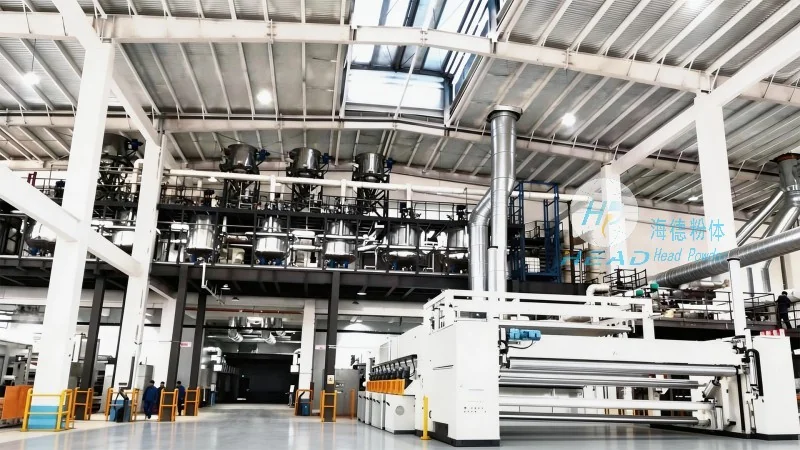
Advantages of Using a Sawdust and Wood Flour Pneumatic Conveying Machine
Implementing a sawdust and wood flour pneumatic conveying machine offers several advantages over traditional material handling methods. One of the primary benefits is the reduction in material handling time and labor costs. By automating the transport process, the system minimizes the need for manual handling, which can be hazardous and inefficient. Additionally, the pneumatic conveying system reduces product contamination and degradation, as the material is transported in a closed system, protecting it from dust, moisture, and other environmental factors. The system also provides better control over material flow, allowing for precise dosing and batching, which is essential for quality control in manufacturing processes. Furthermore, the compact design of the machine saves space in industrial facilities, making it suitable for both new and existing installations.
Applications and Industries
The sawdust and wood flour pneumatic conveying machine is widely used in various industries that rely on sawdust and wood flour as raw materials. In the woodworking industry, it is used to transport sawdust from the cutting and grinding processes to storage or processing units. In the wood-based panel manufacturing industry, the machine is crucial for transporting wood flour to the production lines for making particleboard, MDF, and other composite materials. The food industry also utilizes this technology for transporting wood flour in food processing applications, where hygiene and product purity are paramount. Additionally, the machine is used in the chemical and pharmaceutical industries for handling fine powders that require controlled transport to prevent contamination and product loss.
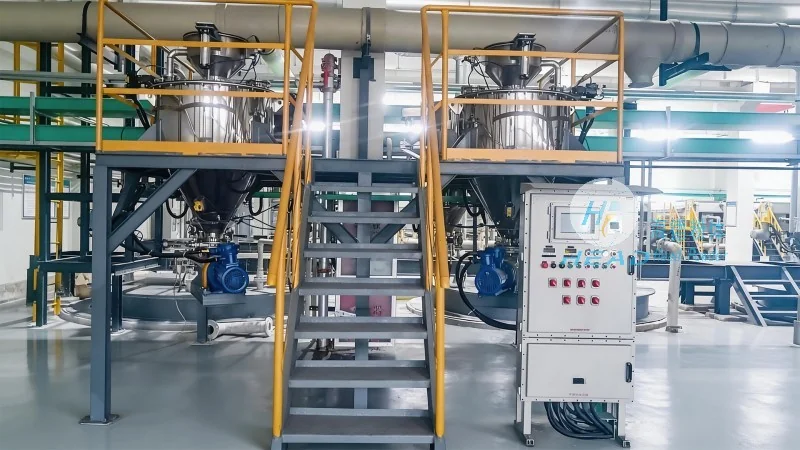
Maintenance and Operational Considerations
To ensure the optimal performance and longevity of the sawdust and wood flour pneumatic conveying machine, regular maintenance is essential. This includes checking the air compressor for proper operation, inspecting the conveying line for blockages or wear, and cleaning the receiver and filter system to prevent dust accumulation. The feeder and hopper should also be inspected for material buildup or clogging, which can affect the flow rate and efficiency of the system. Additionally, the system should be operated within the recommended air pressure and flow rate ranges to avoid damage to components and ensure consistent material transport. Proper training of operators on the machine's operation and maintenance procedures is also crucial for maintaining the system's performance and safety.
Conclusion
The sawdust and wood flour pneumatic conveying machine is a highly efficient and effective solution for transporting bulk materials in industrial applications. By understanding its operation process and working principle, industries can leverage this technology to improve production efficiency, reduce costs, and enhance product quality. With proper maintenance and operational considerations, the machine can provide reliable and consistent material transport, making it a valuable asset in any facility dealing with sawdust and wood flour. As a leading manufacturer in this field, Shandong HeadPowder Engineering Co., Ltd. specializes in providing high-quality pneumatic conveying systems tailored to the specific needs of their clients, ensuring optimal performance and customer satisfaction.




