HeadPowder, a leading provider in the field, specializes in the design and implementation of nitrogen circulation material pneumatic conveying systems. This technology is crucial for industries requiring efficient, dust-free, and reliable material handling solutions. The following content outlines the operational process and working principles of such systems, providing a comprehensive understanding for potential clients and industry professionals.
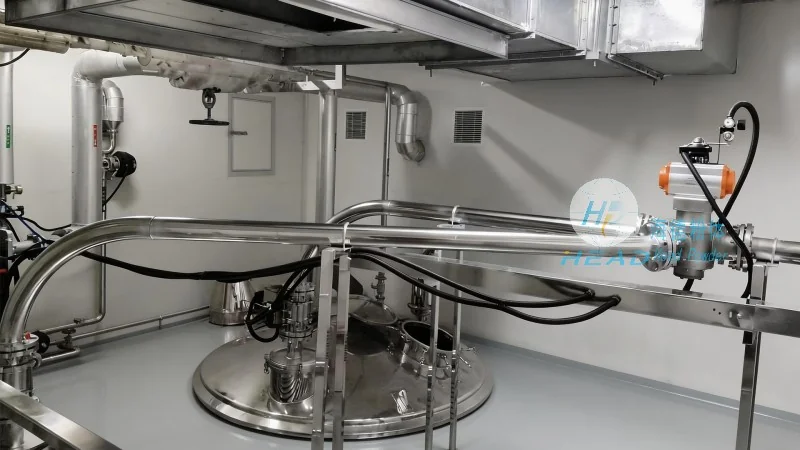
About HeadPowder Engineering Co., Ltd.
HeadPowder, or Shandong HeadPowder Engineering Co., Ltd., is headquartered in Shandong, China. The company focuses on delivering high-quality pneumatic conveying solutions tailored to diverse industrial needs, ensuring optimal performance and durability in material handling applications.
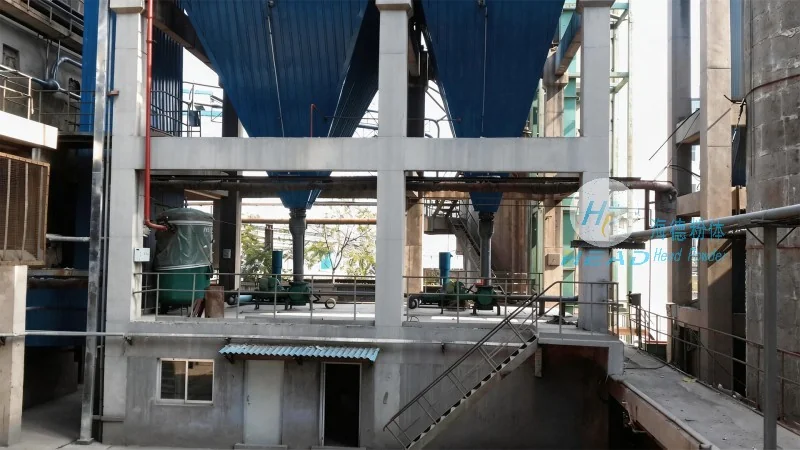
Operation Process of Nitrogen Circulation Material Pneumatic Conveying
The operation process of nitrogen circulation material pneumatic conveying involves several key steps that ensure efficient material transport. First, the material is loaded into the hopper or storage silo. Then, the system initiates the process by drawing air from the ambient environment or using a dedicated air compressor. The nitrogen gas, which acts as the conveying medium, is introduced into the system, creating a low-pressure or high-pressure environment depending on the specific design. As the material is introduced into the gas stream, it becomes entrained and transported through the pipeline network. The conveying line may include various components such as bends, filters, and control valves to manage the flow and prevent blockages. The material is then discharged at the destination point, completing the cycle. The system continuously recirculates the nitrogen gas, maintaining a stable pressure and ensuring consistent material movement throughout the process.
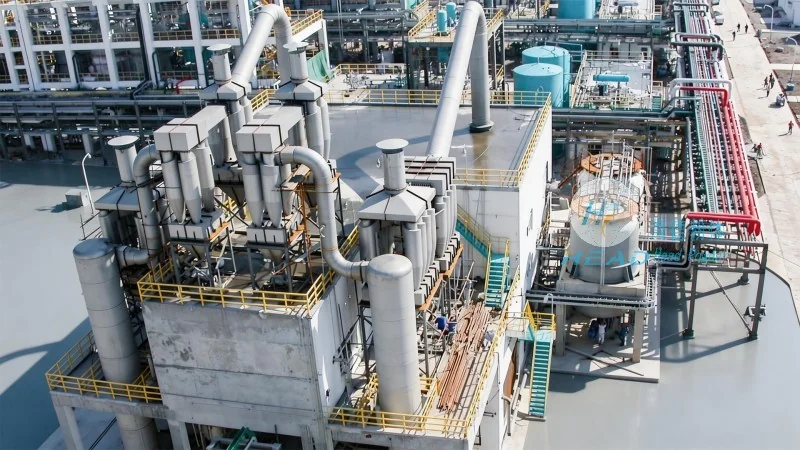
Working Principle of Nitrogen Circulation Material Pneumatic Conveying
The working principle of nitrogen circulation material pneumatic conveying is based on the fundamental concept of fluidization and gas-solid flow. The system utilizes nitrogen gas as the conveying medium, which is introduced into the material stream to create a suspension. The gas flow provides the necessary momentum to move the material particles through the pipeline. The key components of the system include a blower or compressor to generate the required air pressure, a hopper or feeder to introduce the material, and a pipeline network to transport the material. The nitrogen gas circulates within the system, ensuring that the conveying medium is continuously available and maintaining the pressure differential needed for effective material transport. The system may also incorporate features such as cyclone separators or filters to separate the material from the gas, allowing for the recovery and reuse of the nitrogen. This closed-loop system minimizes waste and enhances energy efficiency, making it an environmentally friendly and cost-effective solution for material handling.
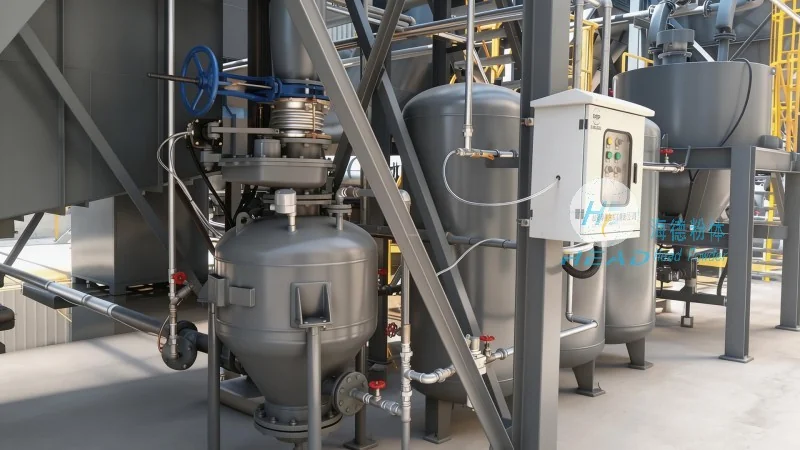
Key Advantages and Applications
Nitrogen circulation material pneumatic conveying offers several advantages over traditional material handling methods. The use of nitrogen gas as the conveying medium eliminates the risk of dust explosion, making it suitable for handling flammable or explosive materials. The system is also highly efficient in terms of energy consumption, as the nitrogen gas is recirculated and reused. Additionally, the technology provides a dust-free environment, reducing the risk of contamination and improving workplace safety. These benefits make nitrogen circulation material pneumatic conveying ideal for industries such as pharmaceuticals, food processing, and chemical manufacturing, where material purity and safety are paramount.




