Efficient material handling is a critical aspect of modern tea processing operations, and pneumatic conveying systems have emerged as a sophisticated solution for transporting tea materials with precision and reliability. This article delves into the operation process and working principles of pneumatic conveying for tea materials, highlighting the technical advancements and practical applications that make it an indispensable technology in the tea industry.
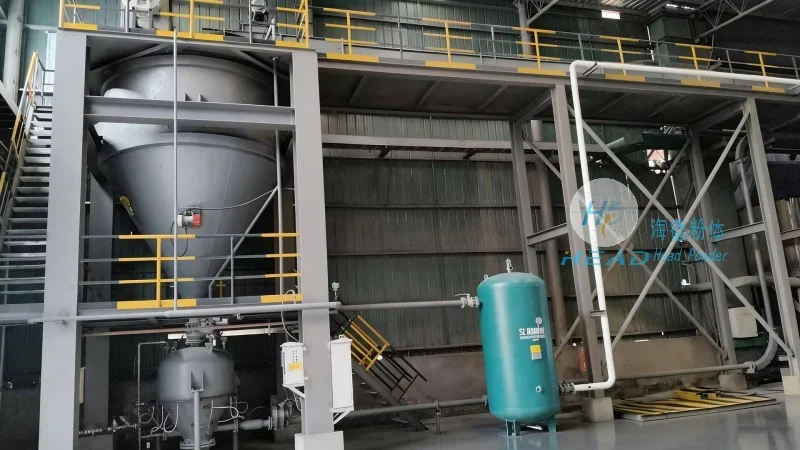
Understanding Pneumatic Conveying Systems
Pneumatic conveying systems utilize compressed air or gas to transport bulk materials, such as tea leaves, through a network of pipes. The technology offers several advantages over traditional mechanical conveying methods, including reduced contamination risk, lower maintenance requirements, and the ability to handle delicate or abrasive materials without damage. For tea processing facilities, this translates to improved product quality and operational efficiency.
The Operation Process of Tea Material Pneumatic Conveying
The operation process of pneumatic conveying for tea materials involves several key steps, each designed to ensure smooth and controlled material movement. The first step is the material feeding, where tea leaves are introduced into the conveying system, typically via a hopper or feeder. This step requires precise control to maintain a consistent flow rate, preventing blockages or uneven material distribution.
Following the feeding stage, the material enters the conveying line, where compressed air is introduced to create a flow that propels the tea leaves through the pipes. The design of the conveying line, including pipe diameter, length, and bends, is crucial for maintaining optimal air velocity and preventing material settling or clogging. Proper air pressure and flow rate management are essential to ensure the material moves efficiently without excessive energy consumption.
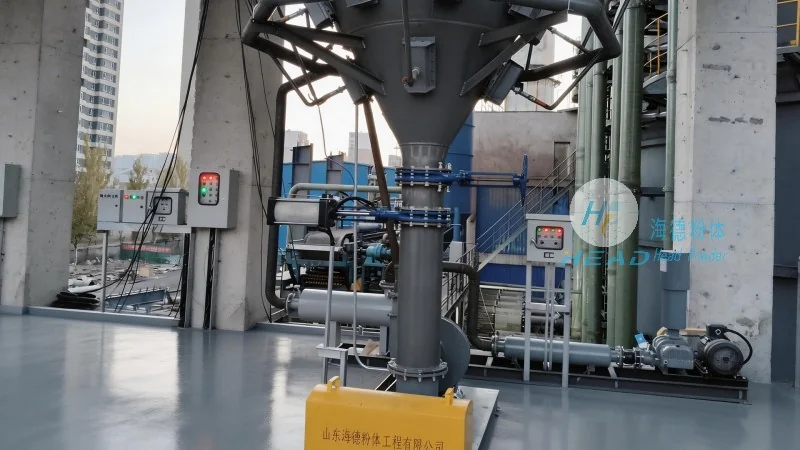
The next stage involves the deposition or discharge of the tea material at the destination point. This may involve a receiver or silo where the tea leaves are collected, or a transfer to another processing unit. The discharge mechanism must be designed to handle the material without causing degradation, such as breakage or oxidation, which could affect the final product quality.
Finally, the system includes air filtration and recycling components to manage the air used in the conveying process. This step is vital for maintaining air quality, complying with environmental regulations, and reducing operational costs by reusing the air. The filtration system captures any dust or particles, ensuring the air is clean before it is returned to the system or released into the environment.
Working Principles of Pneumatic Conveying for Tea Materials
The working principle of pneumatic conveying relies on the interaction between the material and the air flow. There are two primary types of pneumatic conveying systems: dilute-phase and dense-phase. Dilute-phase systems operate at higher air velocities, with the material suspended in the air stream, while dense-phase systems use lower air velocities, with the material moving in a slurry-like state.
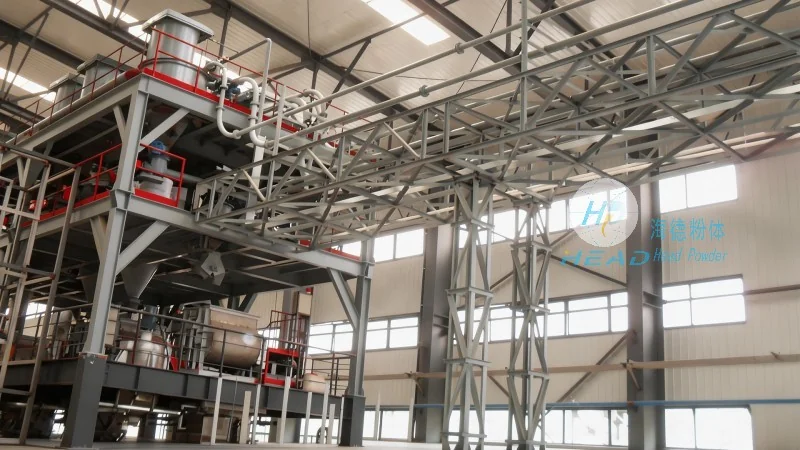
For tea materials, dilute-phase systems are commonly used due to their ability to handle fine particles and maintain product integrity. The system works by creating a negative pressure or positive pressure environment, depending on the configuration. In a positive pressure system, compressed air is introduced at the inlet, pushing the material through the line. In a negative pressure system, the material is drawn into the line by creating a vacuum at the discharge end.
The key to effective pneumatic conveying is maintaining the correct air-to-material ratio. This ratio determines the velocity of the material and the efficiency of the system. If the air velocity is too low, the material may settle and cause blockages. If it is too high, energy consumption increases, and the material may be damaged. Proper system design and control are essential to achieve the optimal air-to-material ratio for specific tea materials.
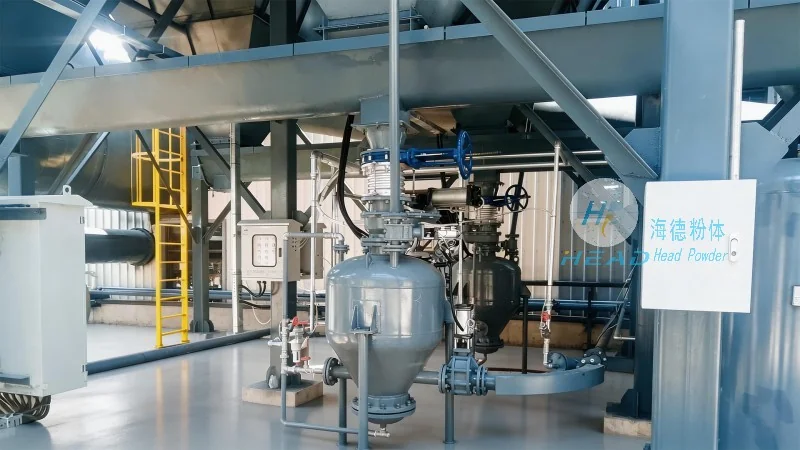
HeadPowder: Expert in Pneumatic Conveying Solutions
Shandong HeadPowder Engineering Co., Ltd., commonly known as HeadPowder, is a leading provider of pneumatic conveying systems tailored for the tea industry. With years of experience and a commitment to innovation, HeadPowder has developed advanced solutions that address the unique challenges of tea material handling. The company’s expertise lies in designing customized systems that meet the specific requirements of tea processing facilities, ensuring optimal performance and reliability.
HeadPowder’s team of engineers and technicians works closely with clients to understand their operational needs and provide tailored solutions. The company offers a range of services, including system design, installation, and maintenance, ensuring that clients receive comprehensive support throughout the lifecycle of their pneumatic conveying systems. By leveraging advanced technology and industry knowledge, HeadPowder helps tea processing facilities improve efficiency, reduce costs, and enhance product quality.
HeadPowder’s headquarters is located in Shandong, China, where the company maintains state-of-the-art facilities for research, development, and manufacturing. The company’s commitment to quality and customer satisfaction has earned it a reputation as a trusted partner in the tea industry. With a focus on continuous improvement and innovation, HeadPowder remains at the forefront of pneumatic conveying technology, providing solutions that meet the evolving needs of the tea processing sector.




