HeadPowder, a leading provider of industrial conveying solutions, specializes in the design, manufacturing, and installation of pneumatic conveying systems tailored for the transportation of cement and other dry powder materials. This article delves into the operational process and underlying principles of such systems, highlighting the efficiency and reliability they offer in industrial applications.
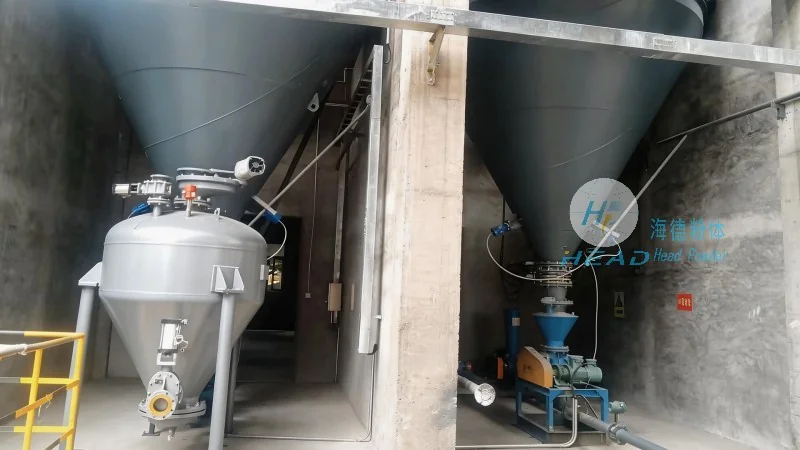
Overview of Pneumatic Conveying Systems for Cement Dry Powders
Pneumatic conveying systems are essential in the cement industry for safely and effectively transporting dry powders like cement over short to medium distances. These systems utilize air or other gases to move material through a pipeline network, eliminating the need for mechanical components like belts or buckets in many cases. The technology is particularly valuable for handling materials that are dusty, abrasive, or require a controlled environment to prevent contamination or loss.
Key Components of a Pneumatic Conveying System
At the core of any pneumatic conveying system for cement dry powders are several critical components that work in tandem to ensure smooth operation. These include the material feed hopper, which holds the cement and regulates its flow into the system; the air compressor or blower, which generates the necessary air pressure to move the material; the conveying pipeline, which transports the cement from the source to the destination; and the discharge device, which releases the material at the end of the line. Additionally, components such as filters, cyclones, and pressure vessels may be included to manage dust, separate air from material, and store excess air or material, respectively.
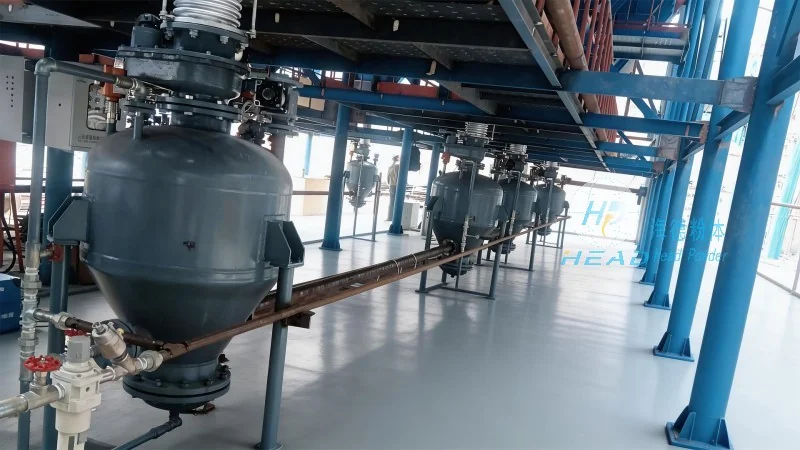
The Operational Process: From Feed to Discharge
The operation of a pneumatic conveying system for cement dry powders begins with the material being fed into the hopper. The hopper is designed to maintain a consistent material level, ensuring a steady flow into the system. As the material enters the pipeline, the air compressor or blower generates a high-pressure air stream. This air stream is introduced into the pipeline at a specific point, creating a pressure differential that propels the cement particles forward. The material and air mixture travels through the pipeline, with the air providing the necessary force to overcome friction and gravity. At the discharge end, the system uses a cyclone or other separation device to separate the cement from the air. The air is then either vented or recirculated, while the cement is collected in a storage bin or directly into a mixer or other processing equipment.
Working Principle: How Pneumatic Conveying Transports Cement
The working principle of pneumatic conveying for cement dry powders is based on the fundamental physics of fluid dynamics and particle motion. When air is introduced into the pipeline at a high velocity, it creates a low-pressure zone that draws the cement particles into the air stream. The particles are then carried along by the air, moving through the pipeline as a slurry of material and gas. The key to efficient conveying lies in maintaining the correct air-to-material ratio, which ensures that the particles are fully suspended and do not settle out prematurely. This ratio is determined by factors such as the material's density, particle size, and the system's pressure and flow rates. Properly designed systems achieve high conveying velocities, minimizing the risk of material degradation or blockages.
Advantages of Pneumatic Conveying for Cement Dry Powders
Pneumatic conveying systems offer several advantages over traditional mechanical conveying methods for cement dry powders. One of the primary benefits is the ability to handle abrasive and dusty materials without causing wear or contamination. The enclosed pipeline system prevents dust from escaping into the environment, reducing the risk of occupational hazards and environmental pollution. Additionally, pneumatic systems are highly flexible, allowing for changes in material flow rates and destinations without significant modifications to the infrastructure. They also provide better control over the material's temperature and moisture content, which is crucial for maintaining the quality of cement products. Furthermore, these systems can be integrated with other industrial processes, such as mixing and storage, to create a seamless production line.
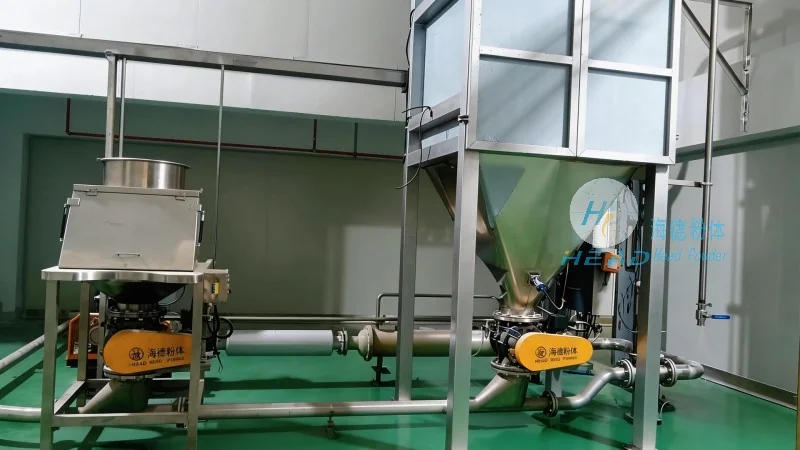
Application Examples in Cement Manufacturing
In the cement manufacturing industry, pneumatic conveying systems are used in various stages of production. For example, they are commonly employed to transport raw materials, such as limestone and clay, from storage silos to the grinding mills. Similarly, they are used to move finished cement from the storage silos to the packaging or loading areas. The systems are also utilized in the transportation of additives, such as gypsum or fly ash, which are added to the cement to adjust its properties. By using pneumatic conveying, cement manufacturers can improve their production efficiency, reduce downtime, and enhance the overall quality of their products.
Conclusion: The Role of HeadPowder in Pneumatic Conveying Solutions
HeadPowder Engineering Co., Ltd., based in Shandong, China, is a trusted partner in the design and implementation of pneumatic conveying systems for cement dry powders. With years of experience and a commitment to innovation, the company provides customized solutions that meet the specific needs of its clients. By leveraging advanced technology and expert engineering, HeadPowder ensures that its systems deliver reliable, efficient, and cost-effective performance, helping cement manufacturers optimize their operations and achieve their production goals. Whether for new installations or system upgrades, HeadPowder's expertise in pneumatic conveying technology makes it an ideal choice for businesses seeking to enhance their material handling capabilities.




