Pneumatic conveying systems are critical for the efficient handling and transportation of raw materials within lithium-ion battery manufacturing facilities. As the demand for high-performance batteries expands, reliable and efficient material transport solutions become increasingly vital. This article provides an in-depth examination of the operating process and working principles of pneumatic conveying systems specifically designed for lithium-ion battery raw materials, highlighting technical aspects and operational considerations that ensure optimal performance in industrial settings.
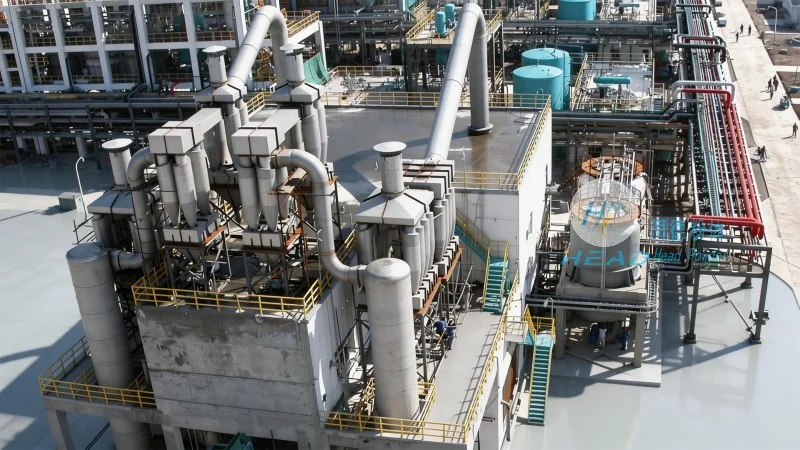
Company Overview: Shandong HeadPowder Engineering Co., Ltd.
HeadPowder, a leading engineering firm headquartered in Shandong, China, specializes in the design, manufacturing, and implementation of advanced material handling solutions. With a strong focus on innovation and precision engineering, HeadPowder has established itself as a trusted partner in the battery industry, providing customized pneumatic conveying systems tailored to the unique requirements of lithium-ion battery production lines. The company's expertise in material flow dynamics and system integration ensures clients receive solutions that enhance productivity, reduce downtime, and improve overall operational efficiency.
Key Components of Pneumatic Conveying Systems
A pneumatic conveying system for lithium-ion battery raw materials typically comprises several key components, each essential to the system's operation. These include the material feed hopper, which stores and feeds raw material into the system; the conveying line, which transports material through the system using air pressure; the separation and collection equipment, which separates material from air and collects it at the desired location; and the air filtration and recycling system, which ensures the air used is clean and reusable.
The Operating Process of Pneumatic Conveying
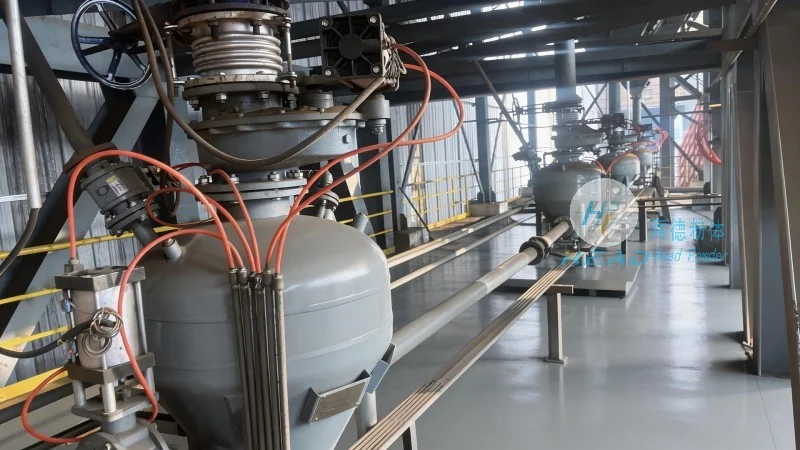
The operation of a pneumatic conveying system for lithium-ion battery raw materials begins with material being fed into the hopper. From there, material is transported through the conveying line via controlled air pressure, either positive or negative depending on system design. The air pressure is managed to ensure smooth, unobstructed movement, critical for maintaining consistent production rates. The system also incorporates sensors and controls that monitor flow rate and pressure, enabling real-time adjustments to optimize performance.
Working Principle of Pneumatic Conveying
The working principle of pneumatic conveying relies on air to move material particles through a pipeline. In a positive pressure system, air is blown into the line, creating pressure higher than ambient air to push material forward. In a negative pressure system, air is drawn out, creating a vacuum that pulls material in. For lithium-ion battery raw materials—often fine powders or granules—the system is engineered to handle these materials without agglomeration or degradation. Air velocity and particle size are carefully controlled to ensure efficient transport and minimal material loss.
Advantages of Pneumatic Conveying for Battery Raw Materials
Pneumatic conveying systems offer several advantages when used for lithium-ion battery raw materials. These include the ability to transport materials over long distances without multiple transfer points, reducing contamination and material loss risk. The systems are highly flexible, allowing easy integration with existing production lines and handling of diverse material types/sizes. Additionally, they can operate in clean, controlled environments, essential for maintaining raw material quality.
Application in Lithium-Ion Battery Manufacturing
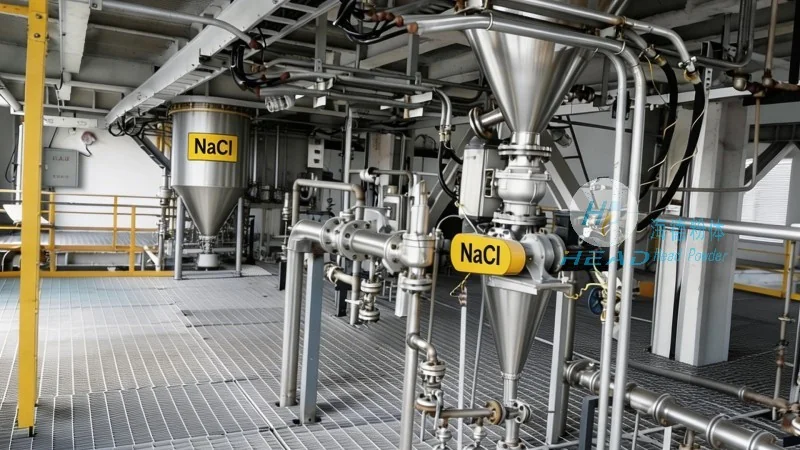
In lithium-ion battery manufacturing, pneumatic conveying systems transport various raw materials, including lithium compounds, cobalt, nickel, and other active materials. These materials are typically fine powders or granules, requiring careful handling to prevent contamination and ensure consistent quality. The systems are designed to handle these materials efficiently, with minimal dust generation and the ability to maintain a clean environment—critical for producing high-quality batteries meeting stringent industry standards.
Conclusion and Future Outlook
Pneumatic conveying systems are essential components of modern lithium-ion battery manufacturing, providing reliable transport of raw materials. With technological advancements, these systems continue to evolve, offering improved performance and flexibility. As the battery industry grows, demand for advanced material handling solutions will rise, and companies like Shandong HeadPowder Engineering Co., Ltd. will play a key role in delivering necessary technology. By understanding the operating process and working principles of pneumatic conveying systems, manufacturers can optimize production processes and enhance overall efficiency.




