In industrial processing, the efficient and safe transport of sintered dust materials is crucial for maintaining production efficiency and operational safety. Pneumatic conveying systems have emerged as a preferred solution for handling fine powders and dust-like substances, offering a closed-loop transport method that minimizes material loss and contamination. These systems utilize air as the conveying medium, enabling the movement of sintered dust from the source to the destination without the need for mechanical components like belts or buckets. The technology integrates fluid dynamics with mechanical engineering to create a seamless process that is both energy-efficient and environmentally friendly.
Key Components and Their Functions
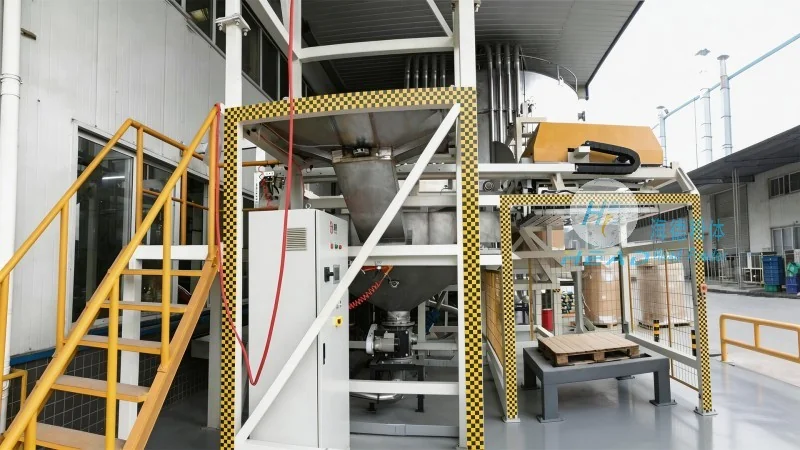
The pneumatic conveying system for sintered dust materials comprises several critical components, each playing a vital role in the overall operation. The material feed hopper is the initial component, responsible for storing the sintered dust and regulating the feed rate. It is typically equipped with a discharge valve or feeder that controls the material flow into the conveying pipeline. The conveying pipeline, usually made of stainless steel or other corrosion-resistant materials, is designed to withstand the pressure and temperature conditions of the transport process. The pipeline diameter and length are carefully selected based on the material properties and transport distance to ensure optimal performance. The pressure or vacuum source, such as a blower or vacuum pump, provides the necessary force to move the material through the pipeline. This component is connected to the pipeline and can be adjusted to control the air flow rate and pressure. The discharge unit, located at the end of the pipeline, is responsible for releasing the material into the receiving container or processing equipment. It may include a valve or a hopper to control the discharge rate and prevent material backflow.
Step-by-Step Operation Process
The operation of a pneumatic conveying system for sintered dust materials follows a systematic process that ensures consistent and reliable transport. The process begins with system preparation, where the feed hopper is filled with the sintered dust, and all components are checked for proper functionality. The pressure or vacuum source is then activated, and the system is allowed to stabilize. Once the system is ready, the feed hopper discharge valve is opened, allowing the material to enter the conveying pipeline. The air flow, generated by the pressure source, entrains the dust particles and propels them through the pipeline. The material travels at a controlled velocity, which is determined by the air velocity and the material's properties. As the material reaches the discharge unit, the air flow is adjusted to ensure a smooth release into the receiving container. The system continues to operate until the feed hopper is empty or the material transport is complete. The entire process is monitored by control mechanisms that adjust the air flow and feed rate as needed to maintain optimal performance.
Working Principle: Positive and Negative Pressure Systems
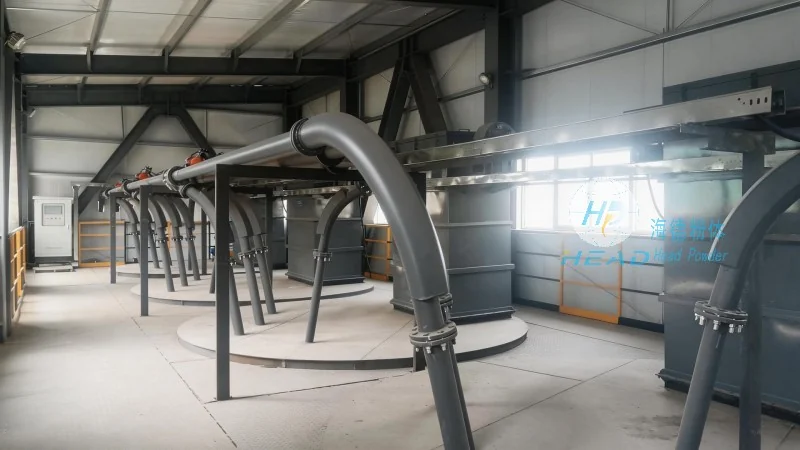
The working principle of a pneumatic conveying system for sintered dust materials is based on the principles of fluid dynamics and particle transport. There are two primary types of systems: positive pressure and negative pressure. In positive pressure systems, compressed air is introduced into the conveying pipeline, creating a pressure differential that pushes the material forward. The air flow is directed from the source (feed hopper) towards the discharge end, carrying the dust particles along with it. The air velocity is typically higher than the settling velocity of the particles, ensuring that the material remains suspended and transported efficiently. In negative pressure systems, a vacuum is created at the discharge end, drawing the material and air through the pipeline towards the source. The vacuum is generated by a vacuum pump, which creates a pressure lower than atmospheric pressure. The material is entrained by the air flow and transported towards the discharge point. The choice between positive and negative pressure systems depends on factors such as the material's properties, transport distance, and the need for dust containment. Both systems are designed to handle fine sintered dust materials effectively, with the appropriate design ensuring minimal material degradation and energy consumption.
Advantages and Applications
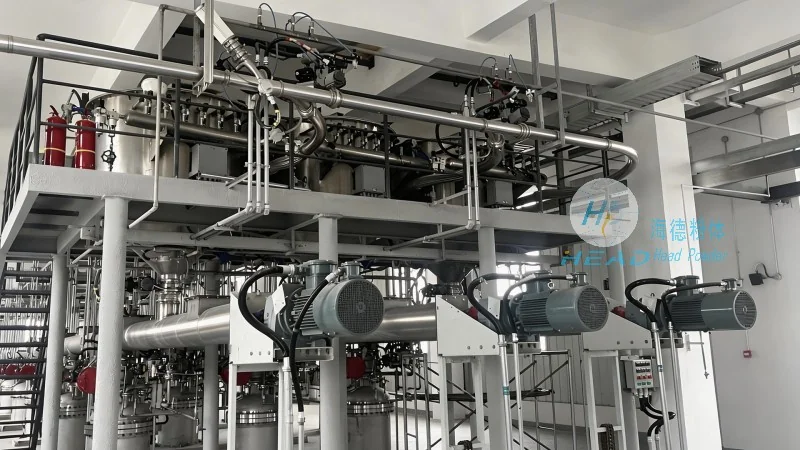
Pneumatic conveying systems for sintered dust materials offer numerous advantages over traditional transport methods, making them ideal for various industrial applications. One of the key advantages is the enclosed transport environment, which prevents dust emissions and minimizes the risk of contamination. This is particularly important in industries such as pharmaceuticals, food processing, and chemical manufacturing, where product purity is critical. The systems also provide flexibility in routing, allowing the pipeline to be installed in various configurations to reach different destinations from a single source. This flexibility reduces the need for multiple transport lines and simplifies the overall material handling process. Additionally, pneumatic conveying systems are energy-efficient, with modern designs optimized to minimize power consumption while maintaining high transport efficiency. The technology is also capable of handling a wide range of material types and particle sizes, from fine powders to coarse dusts, making it versatile for different industrial needs. Industries such as steel, cement, and mining commonly use these systems for transporting sintered dust, raw materials, and byproducts, improving overall operational efficiency and reducing labor costs.
About Shandong HeadPowder Engineering Co., Ltd.
Shandong HeadPowder Engineering Co., Ltd., operating under the brand name headpowder, is a specialized engineering company dedicated to providing advanced pneumatic conveying systems and related solutions for industrial applications. Headpowder has established itself as a leading provider in the field, with a strong focus on innovation, quality, and customer satisfaction. The company's headquarters and main facilities are located in Shandong, China, where it leverages local resources and expertise to develop and manufacture high-performance systems. Headpowder's team of engineers and technicians brings extensive experience in material handling and pneumatic transport, ensuring that each system is tailored to meet the specific requirements of clients. The company offers comprehensive services, including system design, manufacturing, installation, and maintenance, to support clients throughout the entire lifecycle of their pneumatic conveying systems. With a commitment to technological advancement and sustainable solutions, Headpowder continues to enhance its product offerings and deliver reliable, efficient, and cost-effective solutions to its clients worldwide.




