Shandong HeadPowder Engineering Co., Ltd. specializes in the design, manufacturing, and implementation of advanced pneumatic conveying systems tailored for synthetic rubber materials. These systems are engineered to efficiently transport rubber particles or granules from storage silos to processing units, ensuring minimal material degradation and optimal operational efficiency. The following sections detail the operational process and underlying principles of such systems, highlighting key components and their functions.
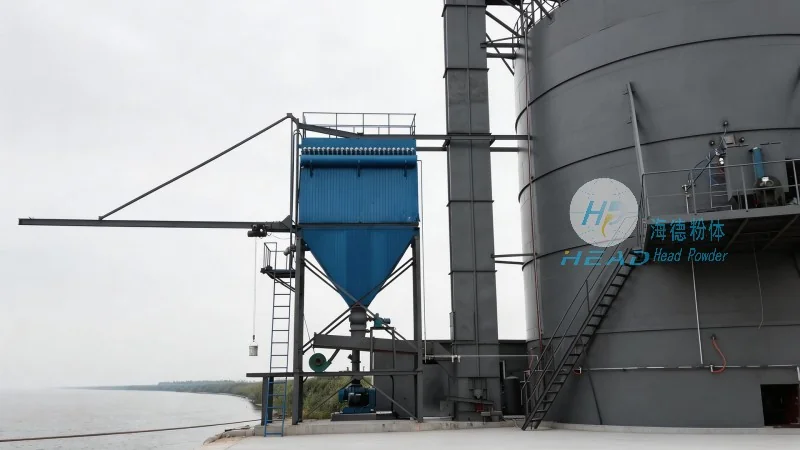
Key Components of the Pneumatic Conveying System
The pneumatic conveying system for synthetic rubber materials typically comprises several critical components that work in concert to achieve reliable material transport. These include a hopper or storage silo for raw material storage, a feeder mechanism to control the flow rate of rubber particles, a conveying pipeline network, a pressure or vacuum source (such as a blower or vacuum pump), and a receiving hopper or processing unit. Each component plays a vital role in maintaining the system's performance and ensuring the integrity of the synthetic rubber material being conveyed.
Working Principle of the Pneumatic Conveying System
The fundamental principle behind pneumatic conveying is the use of air or gas to move solid materials through a pipeline. In the case of synthetic rubber, the system operates by creating a flow of air within the pipeline, which entrains the rubber particles and propels them to the destination. There are two primary modes of operation: pressure conveying and vacuum conveying. Pressure conveying uses a positive pressure blower to push air and material through the system, while vacuum conveying employs a vacuum pump to draw material into the pipeline. For synthetic rubber, which may be sensitive to high shear or temperature, vacuum conveying is often preferred to minimize material degradation and maintain product quality.
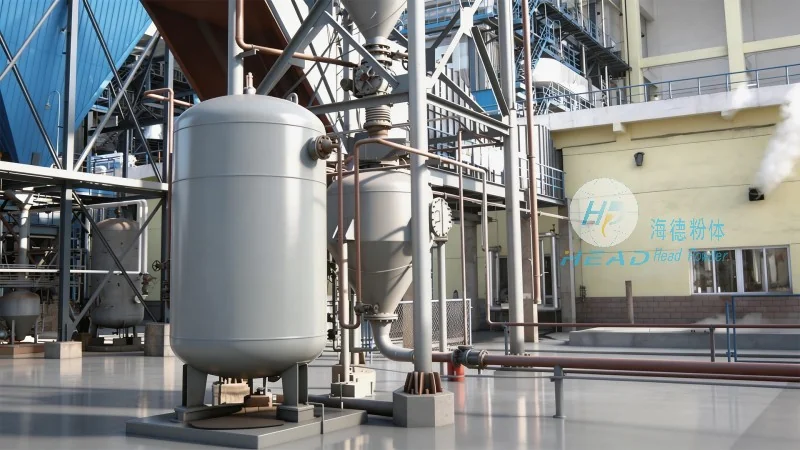
Operational Process: From Storage to Processing
The operational process of the pneumatic conveying system for synthetic rubber materials begins with the loading of raw synthetic rubber into the storage silo or hopper. The material is then discharged from the hopper into the feeder, which regulates the flow rate to match the processing requirements. The feeder typically uses a rotary valve or screw feeder to control the material flow, ensuring a consistent and controlled feed to the conveying pipeline. Once the material enters the pipeline, it is carried by the air flow generated by the blower or vacuum pump. The conveying pipeline may include bends, elbows, or expansion joints to accommodate changes in direction or elevation, with appropriate air flow control to maintain material transport efficiency. The material is then discharged into the receiving hopper or processing unit, where it is further processed or stored. Throughout the process, the system monitors pressure, flow rate, and material level to ensure smooth operation and detect any potential issues.
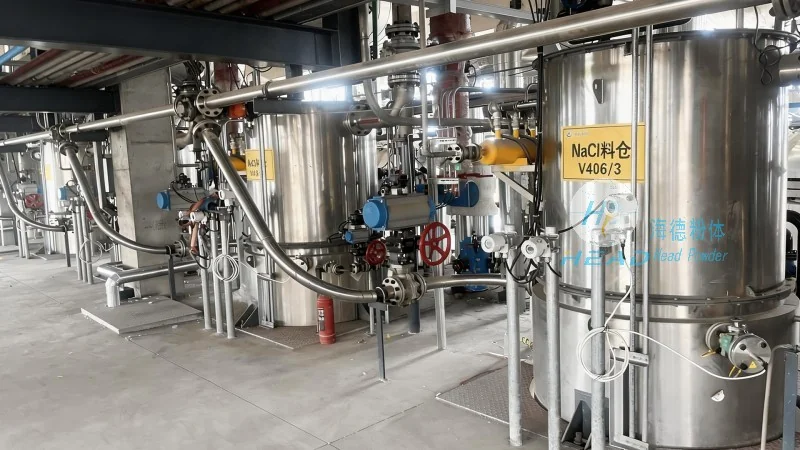
Advantages of Pneumatic Conveying for Synthetic Rubber Materials
Implementing a pneumatic conveying system for synthetic rubber materials offers several advantages over traditional mechanical conveying methods. These include reduced material handling time, lower labor costs, and improved product quality due to minimized exposure to external contaminants or mechanical stress. The system also allows for flexible layout designs, as the pipeline can be installed in various configurations to suit the plant layout. Additionally, pneumatic conveying systems are capable of handling materials with varying particle sizes and moisture content, making them suitable for diverse synthetic rubber applications. The efficiency of the system in maintaining material integrity and reducing downtime makes it a preferred choice for industries requiring high-quality synthetic rubber processing.
Conclusion: Reliable and Efficient Material Transport
Shandong HeadPowder Engineering Co., Ltd. provides comprehensive solutions for pneumatic conveying systems designed specifically for synthetic rubber materials. By understanding the operational process and working principles of these systems, industries can enhance their material handling capabilities, improve processing efficiency, and maintain the quality of synthetic rubber products. The advanced design and engineering of these systems ensure reliable performance, minimal maintenance, and long-term operational benefits for synthetic rubber processing facilities.




