Quartz sand, a widely used industrial material, often requires efficient and reliable transportation methods to move it from one location to another within processing facilities. Pneumatic conveying equipment offers a sophisticated solution for handling quartz sand, combining the benefits of automation, reduced labor costs, and enhanced safety compared to traditional methods like belt conveyors or manual handling. This article explores the operating process and working principle of quartz sand material pneumatic conveying equipment, providing insights into how such systems function and the key components involved.
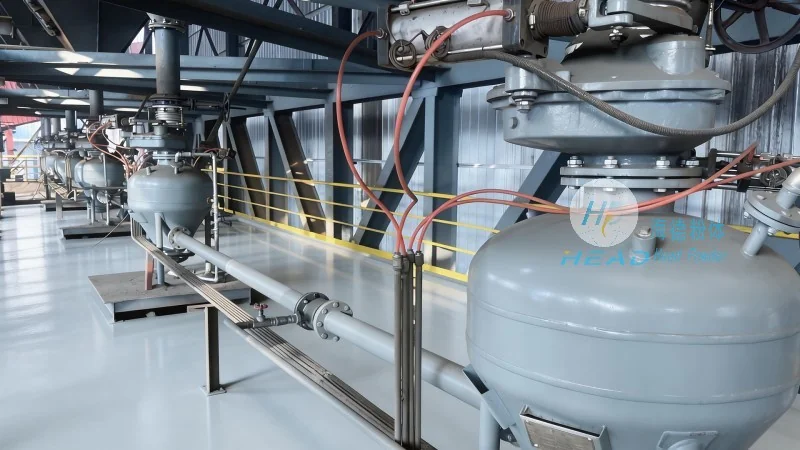
Introduction to Quartz Sand Pneumatic Conveying Systems
Quartz sand, composed primarily of silicon dioxide (SiO₂), is a common raw material in industries such as glass manufacturing, ceramics, and construction. Its abrasive nature and granular structure necessitate specialized handling equipment to ensure minimal material degradation and system longevity. Pneumatic conveying systems utilize air or other gases to transport solid materials like quartz sand through a network of pipes, eliminating the need for mechanical components that might wear down quickly with abrasive materials. The core of these systems lies in the ability to create a consistent flow of material while maintaining system efficiency and reliability.
Key Components of Quartz Sand Pneumatic Conveying Equipment
The operation of quartz sand pneumatic conveying equipment relies on several critical components, each playing a vital role in the overall system performance. These components include the material hopper, which serves as the storage and feeding unit for quartz sand; the air compressor or blower, responsible for generating the necessary air pressure to move the material; the conveying line, a network of pipes that transports the sand; and the receiver or discharge hopper, where the material is deposited at the destination. Additionally, control valves, filters, and dust collection systems are integrated to regulate airflow, prevent material buildup, and ensure environmental compliance.
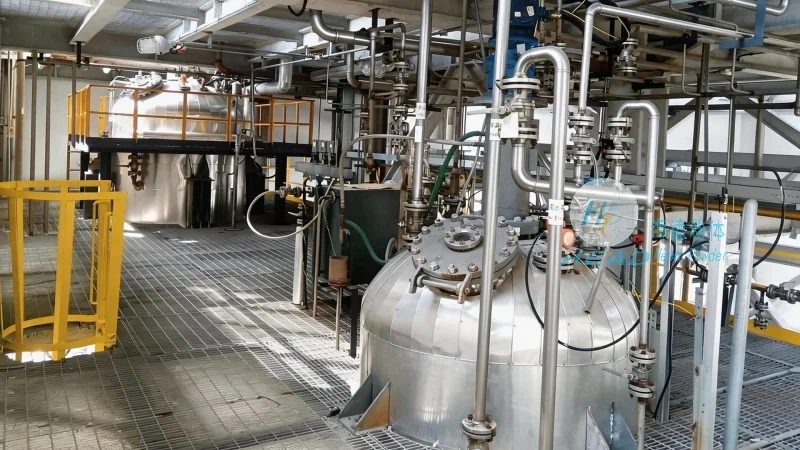
Operating Process of Quartz Sand Pneumatic Conveying
The operating process of quartz sand pneumatic conveying equipment typically involves several sequential steps. First, quartz sand is fed into the material hopper from a storage silo or bulk container. The hopper is equipped with a feeder mechanism, such as a rotary valve or screw feeder, which controls the flow rate of the sand into the conveying line. Simultaneously, the air compressor or blower starts, generating a flow of air at a specific pressure and volume. This airflow creates a negative pressure (suction mode) or positive pressure (blowing mode) within the conveying line, depending on the system design. The quartz sand is then drawn into the air stream and carried through the pipes to the receiver hopper at the destination. The receiver hopper may include a discharge valve to regulate the outflow of sand, ensuring a controlled and steady delivery to the next processing stage.
Working Principle of Pneumatic Conveying for Quartz Sand
The working principle of quartz sand pneumatic conveying equipment is based on the fundamental physics of fluid dynamics and particle transport. In suction mode, the air compressor creates a lower pressure in the conveying line compared to the ambient air, causing the quartz sand to be drawn into the air stream due to the pressure differential. The air velocity within the pipe must be sufficient to overcome the gravitational force of the sand particles and any frictional losses in the system. In blowing mode, the compressor forces air into the line, pushing the sand particles forward. The key to efficient operation is maintaining an optimal air-to-sand ratio, which balances the energy consumption with the material transport capacity. Proper design of the conveying line, including pipe diameter, length, and bends, is crucial to minimize pressure drop and prevent material deposition or blockages.
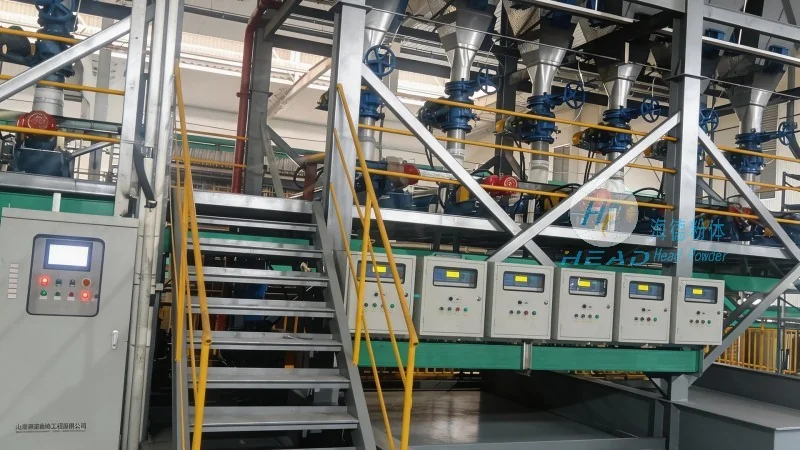
Advantages of Quartz Sand Pneumatic Conveying Systems
Pneumatic conveying systems for quartz sand offer several advantages over traditional handling methods. Firstly, they provide a closed system, which reduces dust emissions and improves workplace safety. This is particularly important for quartz sand, as it can generate fine particles that pose health risks if inhaled. Secondly, these systems are highly flexible, allowing for changes in material flow rates and destination points without major modifications. Thirdly, they require less maintenance compared to mechanical conveyors, as there are fewer moving parts that can wear out. Additionally, pneumatic conveying can handle abrasive materials like quartz sand more effectively, as the air stream reduces friction and wear on system components. These benefits make quartz sand pneumatic conveying equipment a preferred choice for many industrial applications.
Applications of Quartz Sand Pneumatic Conveying Equipment
Quartz sand pneumatic conveying equipment is widely used in various industrial settings where efficient material transport is critical. In the glass industry, quartz sand is a primary ingredient in glass production, and pneumatic conveying systems ensure a consistent supply of raw material to the melting furnaces. In the ceramics industry, quartz sand is used to make tiles and pottery, and these systems help transport the material from storage to production lines. In construction, quartz sand is used as an aggregate in concrete and asphalt, and pneumatic conveyors facilitate its transport to mixing plants. The versatility of these systems allows them to be adapted to different production scales and material flow requirements, making them suitable for both small-scale and large-scale operations.
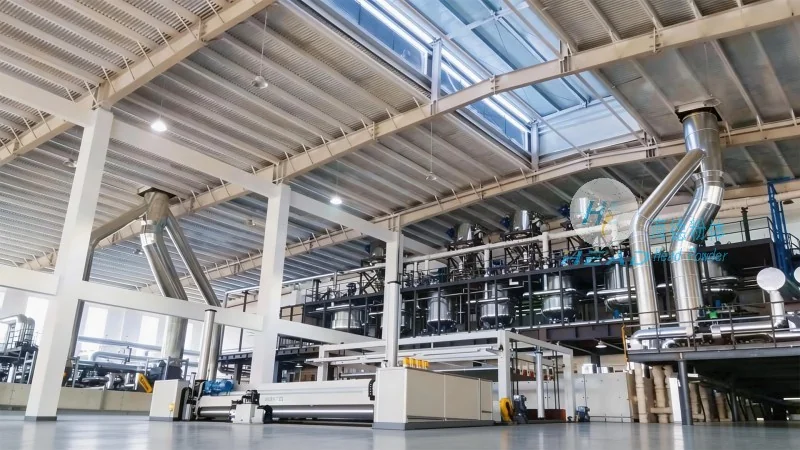
Maintenance and Operational Considerations for Quartz Sand Pneumatic Conveying Systems
Proper maintenance and operational considerations are essential to ensure the long-term performance and reliability of quartz sand pneumatic conveying equipment. Regular inspection of the material hopper and feeder mechanism is necessary to prevent blockages and ensure consistent material flow. The air compressor or blower should be checked for proper operation, including pressure and airflow rates, to maintain system efficiency. Filters and dust collection systems must be cleaned or replaced regularly to prevent clogging and maintain air quality. Additionally, the conveying line should be inspected for signs of wear or damage, such as cracks or corrosion, which could lead to material leakage or system failure. By following a regular maintenance schedule and monitoring operational parameters, users can maximize the lifespan of their quartz sand pneumatic conveying equipment and minimize downtime.
Conclusion
Quartz sand material pneumatic conveying equipment is a sophisticated and efficient solution for handling abrasive and granular materials in industrial applications. The operating process involves feeding quartz sand into a hopper, using an air compressor to create airflow, and transporting the material through a pipe network to a receiver. The working principle relies on fluid dynamics and pressure differentials to move the sand, with the air-to-sand ratio and system design being critical factors for performance. These systems offer advantages such as reduced dust emissions, flexibility, and lower maintenance compared to traditional conveyors. By understanding the key components, operating process, and maintenance requirements, users can effectively utilize quartz sand pneumatic conveying equipment to enhance their production processes and ensure consistent material supply. As a leading provider in this field, Shandong HeadPowder Engineering Co., Ltd. specializes in designing and manufacturing high-quality pneumatic conveying systems tailored to the specific needs of quartz sand handling applications, with operations based in China, Shandong.




