HeadPowder, a leading engineering company based in Shandong, China, specializes in the design, manufacturing, and installation of advanced pneumatic conveying systems for flour and other bulk materials. This article provides a detailed overview of the operation process and working principle of flour material pneumatic conveying lines, highlighting the key components, operational steps, and technical aspects that ensure efficient and reliable material handling in industrial settings.
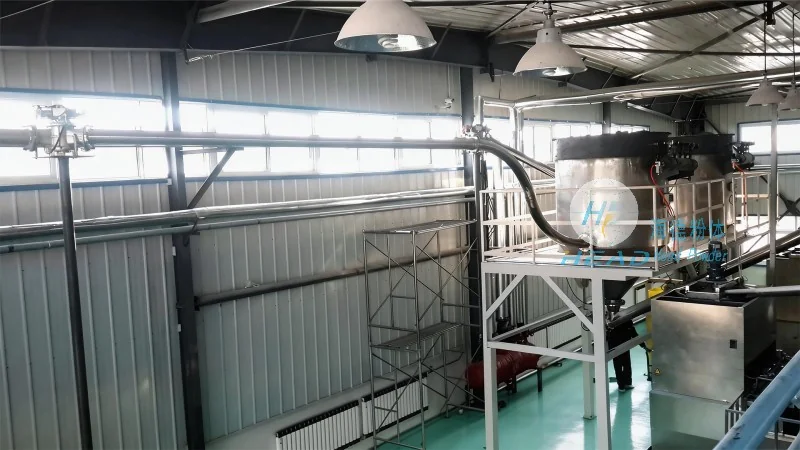
Key Components of Pneumatic Conveying Systems
The pneumatic conveying line for flour materials typically consists of several essential components that work in tandem to transport the material from the source to the destination. These components include the material hopper, feeder, air compressor, pipeline system, and receiving hopper. Each component plays a critical role in the overall system performance and efficiency.
The material hopper is designed to store the flour or other bulk materials, providing a consistent feed to the feeder. The feeder, often a rotary valve or a screw feeder, controls the flow rate of the material into the pipeline, ensuring a steady and controlled supply. The air compressor generates the necessary air pressure to create the airflow that propels the material through the pipeline. The pipeline system, made of durable materials such as stainless steel or PVC, transports the material and air mixture. Finally, the receiving hopper collects the material at the end of the conveying line, completing the process.
Working Principle of Pneumatic Conveying
The working principle of a flour material pneumatic conveying line is based on the use of air as the conveying medium. The system operates by creating a pressure differential between the inlet and outlet of the pipeline. The air compressor supplies compressed air into the pipeline, which then flows through the feeder and into the material hopper. As the air flows, it entrains the flour particles, forming a slurry-like mixture that is carried along the pipeline to the receiving hopper. The pressure and velocity of the air are carefully controlled to ensure that the material is transported without excessive wear or degradation.
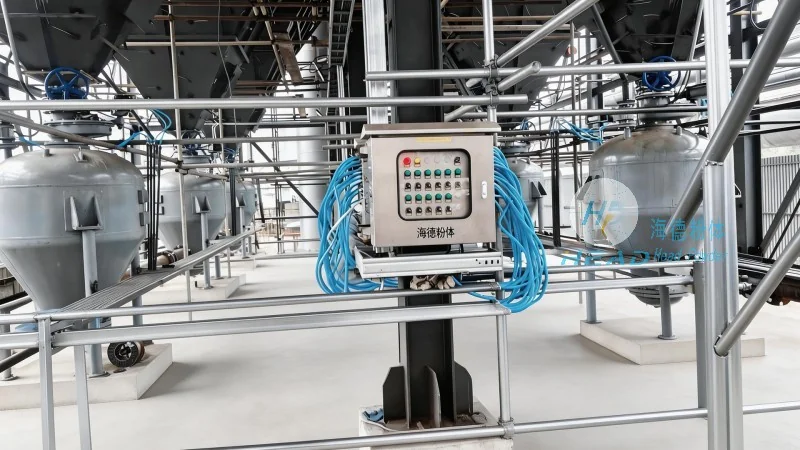
The system can operate in either positive pressure or negative pressure modes. In positive pressure systems, the pipeline is pressurized above atmospheric pressure, pushing the material forward. In negative pressure systems, the pipeline is maintained at a lower pressure than the surrounding environment, drawing the material into the pipeline. For flour applications, positive pressure systems are commonly used due to their ability to handle fine powders and prevent dust contamination.
Operation Process of Flour Material Pneumatic Conveying Lines
The operation process of a flour material pneumatic conveying line involves several sequential steps that ensure smooth and continuous material transport. The process begins with the loading of the material into the hopper. The feeder then starts to discharge the material at a controlled rate, which is synchronized with the air flow from the compressor. As the material is fed into the pipeline, the air compressor increases the pressure, creating the necessary airflow to convey the material. The material travels through the pipeline, and at the receiving end, the pressure is reduced, causing the material to separate from the air and fall into the receiving hopper.
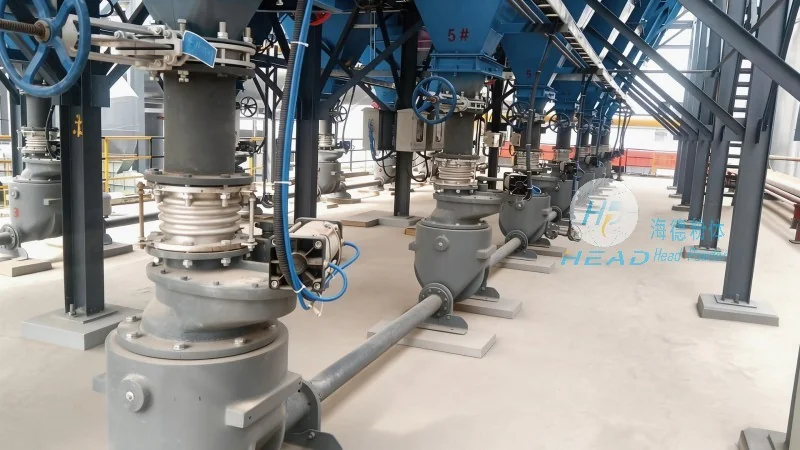
During operation, the system continuously monitors key parameters such as air pressure, flow rate, and material level. Sensors and control systems are used to adjust the feeder speed and air compressor output to maintain optimal conditions. This ensures that the conveying process remains efficient and that the material is delivered to the destination without any blockages or losses.
Benefits and Applications of Flour Material Pneumatic Conveying Lines
Flour material pneumatic conveying lines offer numerous benefits for industrial applications, including high efficiency, low maintenance, and the ability to handle fine powders without dust contamination. The system is particularly suitable for applications in the food and pharmaceutical industries, where hygiene and product quality are critical. Additionally, the flexible design of the pipeline allows for easy integration into existing production lines, reducing downtime and installation costs.
HeadPowder's expertise in engineering and manufacturing ensures that their pneumatic conveying systems are tailored to meet the specific needs of each customer. By leveraging advanced technology and quality materials, the company provides reliable and durable solutions that enhance productivity and reduce operational costs for their clients.




