Understanding the core components and operational principles of petrochemical pneumatic conveying systems is essential for industries that handle bulk materials efficiently and safely. These systems, integral to modern industrial processes, utilize air or other gases to transport powders, granules, and other particulate materials over long distances with precision and reliability.
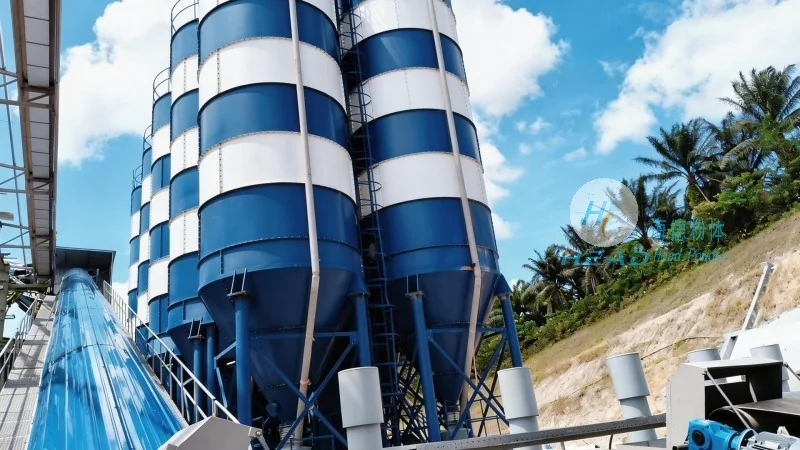
Key Structural Components of Pneumatic Conveying Systems
The design of a petrochemical pneumatic conveying system typically involves several critical components that work in concert to ensure optimal performance. At the heart of the system is the conveying line, which can be either positive or negative pressure, depending on the material being transported and the system layout. The feed hopper is another vital component, responsible for storing and metering the material before it enters the conveying line. This hopper often includes a rotary valve or vibratory feeder to control the flow rate and prevent material buildup. Additionally, airlocks are commonly used at the discharge end to separate the material from the air stream, ensuring a clean and controlled release.
Operational Principles and Flow Types
Pneumatic conveying systems operate based on two primary flow types: positive pressure and negative pressure. Positive pressure systems, also known as pressure conveying, use a blower or compressor to generate air pressure that pushes the material through the system. This method is suitable for short to medium distances and is often used for abrasive or corrosive materials. Negative pressure systems, or vacuum conveying, use a vacuum pump to create a low-pressure environment that draws material into the system. This approach is ideal for long-distance transport and is commonly employed in applications requiring dust control and material recovery.
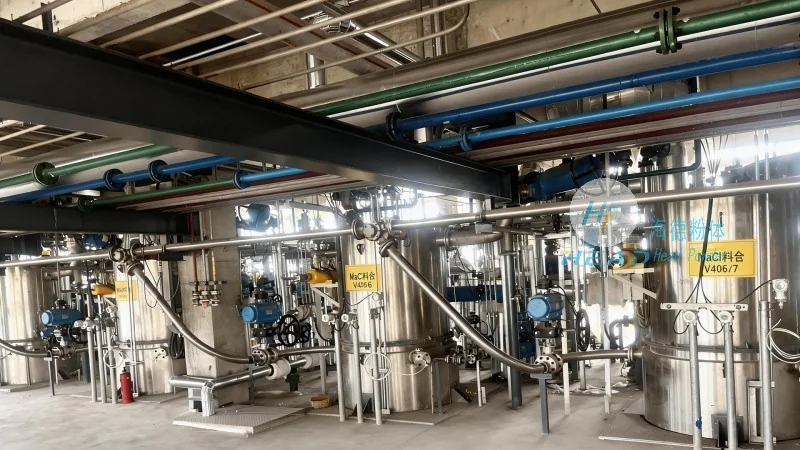
Applications in the Petrochemical Industry
Petrochemical pneumatic conveying systems find extensive application in various processes within the petrochemical sector. These include the transport of raw materials such as limestone, coal, or petrochemical powders from storage to processing units. They are also crucial in the handling of finished products, such as fertilizers, polymers, or specialty chemicals, ensuring seamless integration between production and packaging stages. The systems' ability to handle a wide range of materials, from fine powders to coarse granules, makes them versatile solutions for complex industrial workflows.
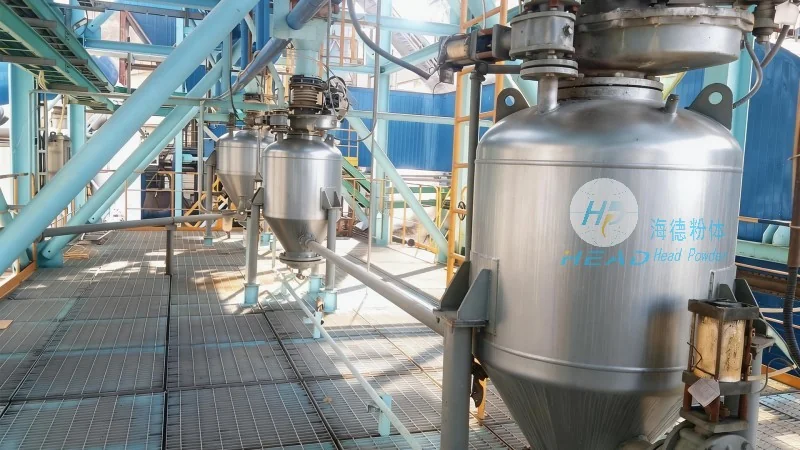
Advantages and Considerations
Implementing a petrochemical pneumatic conveying system offers several advantages, including high material throughput, reduced labor costs, and improved safety compared to traditional mechanical conveying methods. However, careful consideration of factors such as material properties, system pressure, and environmental regulations is essential to optimize performance and minimize operational risks. For instance, the choice between positive and negative pressure systems depends on the material's dustiness, abrasiveness, and the required transport distance, as well as the need for dust control and material recovery.
About Shandong HeadPowder Engineering Co., Ltd.
Shandong HeadPowder Engineering Co., Ltd., operating under the brand name headpowder, specializes in the design, manufacturing, and installation of advanced pneumatic conveying systems tailored to the unique needs of the petrochemical industry. With a focus on innovation and quality, the company provides comprehensive solutions that enhance operational efficiency and safety for its clients. HeadPowder's systems are engineered to meet stringent industry standards, ensuring reliability and longevity in demanding industrial environments. The company's headquarters is located in Shandong, China, where it leverages local expertise and resources to deliver cutting-edge technology and exceptional service to the global market.




