For industrial applications involving the handling of PVC resin, efficient and reliable material transport is crucial. Pneumatic conveying systems offer a solution that minimizes dust, eliminates the need for mechanical components in some cases, and ensures a safe and clean transfer of materials. This article provides an overview of PVC resin pneumatic conveying equipment, focusing on its structural design and operational principles.
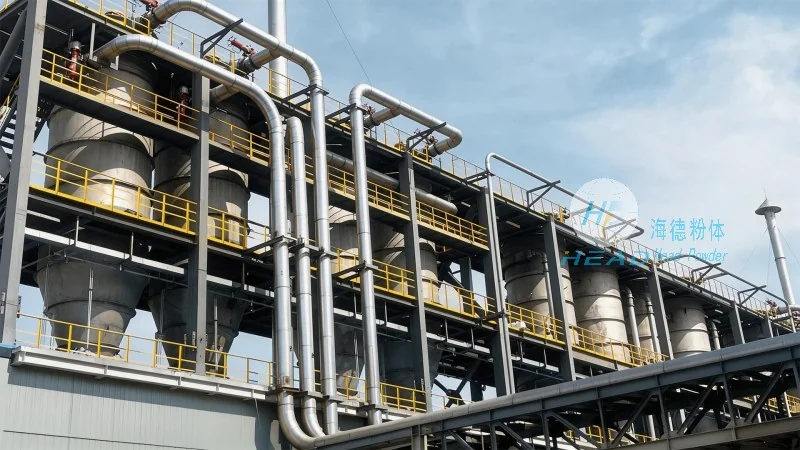
Key Components of PVC Resin Pneumatic Conveying Systems
The PVC resin pneumatic conveying system typically consists of several core components that work in tandem to achieve effective material transport. These components include the material hopper, air supply system, conveying line, and receiving hopper. Each component plays a vital role in the overall functionality of the system.
The material hopper is designed to store and feed the PVC resin into the conveying line. It often features a hopper with a sloped bottom to facilitate the flow of material, equipped with a feeder mechanism such as a rotary valve or a screw feeder to control the discharge rate. This ensures a consistent and controlled supply of resin to the system.
The air supply system is responsible for generating the necessary air pressure and flow rate to move the PVC resin particles through the conveying line. This system includes a blower or a compressor, along with air filters and regulators to maintain clean and stable air quality. The pressure and flow rate are critical parameters that determine the conveying capacity and efficiency of the system.
The conveying line, usually made of stainless steel or other corrosion-resistant materials, is the main channel through which the PVC resin travels. The line is equipped with bends, elbows, and other fittings that guide the material along the desired path. The design of the line, including its diameter and length, is optimized to minimize pressure drop and ensure smooth material flow.
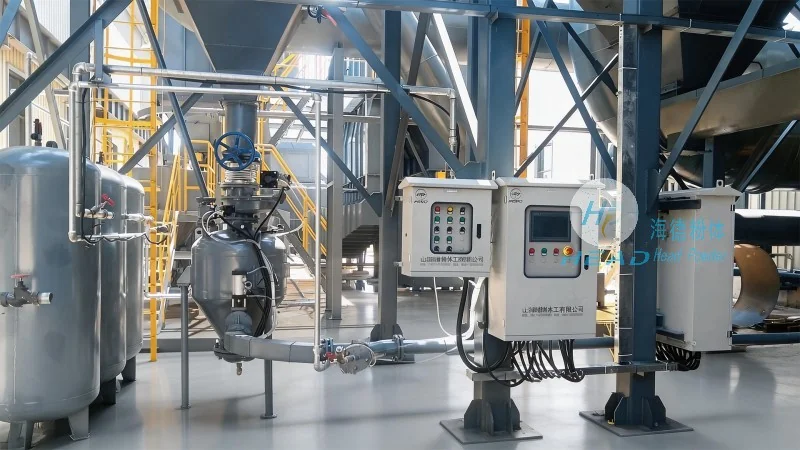
The receiving hopper collects the PVC resin at the end of the conveying line. It is designed to accommodate the incoming material and may include a discharge valve or a rotary valve to control the release of the resin into the next processing stage. The receiving hopper is often equipped with a dust collection system to prevent the escape of fine particles and maintain a clean working environment.
Working Principle of PVC Resin Pneumatic Conveying
The operation of a PVC resin pneumatic conveying system involves the creation of a pressure differential between the material hopper and the receiving hopper. The air supply system generates a high-pressure air stream that is introduced into the conveying line. As the air flows through the line, it picks up the PVC resin particles from the hopper and transports them to the receiving hopper.
There are two main types of pneumatic conveying systems used for PVC resin: dilute-phase and dense-phase. Dilute-phase systems operate at low pressure and high air velocity, where the resin particles are suspended in the air stream and travel as a cloud. Dense-phase systems, on the other hand, operate at higher pressure and lower air velocity, where the resin particles are carried in a slurry-like state, often with the aid of a carrier gas.
In the case of PVC resin, the choice between dilute-phase and dense-phase systems depends on factors such as the particle size, moisture content, and the distance to be conveyed. Dilute-phase systems are suitable for short distances and low to medium conveying rates, while dense-phase systems are preferred for longer distances or when higher material density is required.
Advantages of Using PVC Resin Pneumatic Conveying Equipment
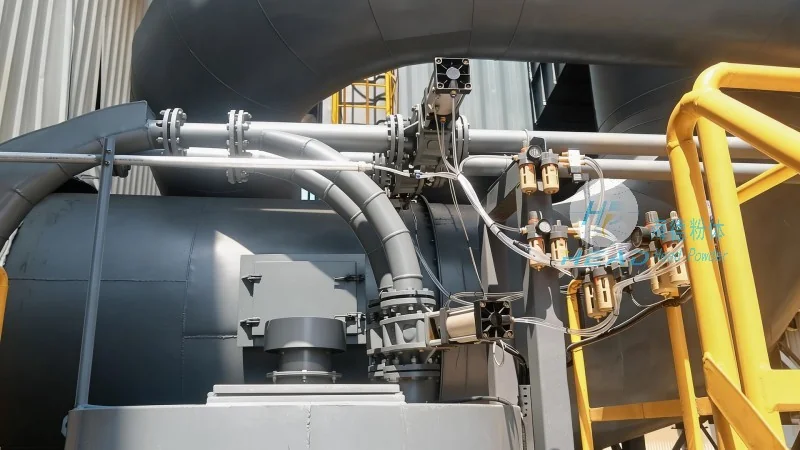
Implementing a pneumatic conveying system for PVC resin offers several advantages over traditional mechanical conveying methods. One of the primary benefits is the reduction of dust and contamination, as the material is enclosed within the conveying line, preventing exposure to the environment. This is particularly important for PVC resin, which can be sensitive to moisture and contaminants.
Another advantage is the elimination of mechanical wear and tear on the material. Unlike screw conveyors or belt conveyors, pneumatic systems do not use moving parts that come into direct contact with the resin, reducing the risk of product degradation and equipment maintenance costs.
The system also provides flexibility in terms of layout and integration with other processing equipment. The conveying line can be installed in various configurations, including vertical, horizontal, or a combination of both, to suit the specific requirements of the production line. This adaptability makes pneumatic conveying a versatile solution for different industrial applications.
Applications of PVC Resin Pneumatic Conveying in Industry
PVC resin pneumatic conveying equipment is widely used in various industries that handle PVC materials, including plastics manufacturing, chemical processing, and construction material production. In the plastics industry, for example, the system is used to transport PVC resin from storage silos to processing machines, ensuring a continuous and uninterrupted supply of raw material.
In chemical processing facilities, the system helps in transferring PVC resin between different processing stages, such as from drying to mixing or from mixing to extrusion. This efficient material transport enhances the overall productivity and efficiency of the production process.
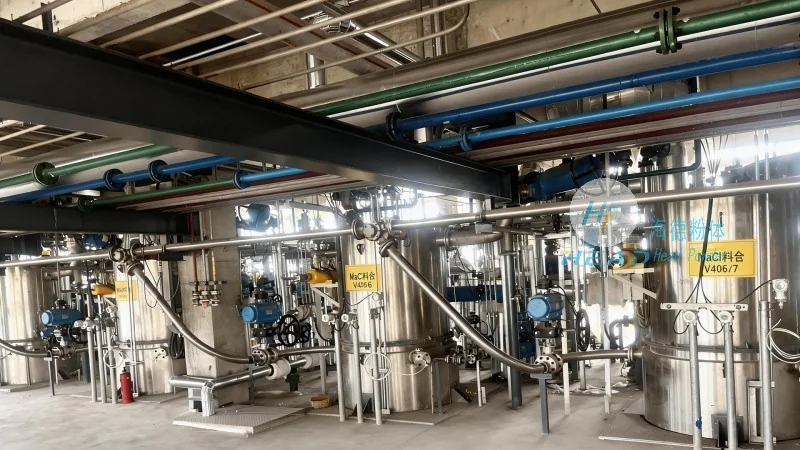
In construction material production, the pneumatic conveying system is used to move PVC resin from storage areas to manufacturing lines, where it is used to produce products like pipes, sheets, and profiles. The system's ability to handle large volumes of material at a consistent rate makes it ideal for high-volume production environments.
About Shandong HeadPowder Engineering Co., Ltd.
Shandong HeadPowder Engineering Co., Ltd., commonly known as headpowder, is a leading manufacturer and supplier of pneumatic conveying equipment in China. With a focus on innovation and quality, the company specializes in designing and producing customized pneumatic systems tailored to the specific needs of its clients.
HeadPowder's expertise lies in the development of advanced pneumatic conveying solutions for various materials, including PVC resin. The company's products are engineered to meet the highest standards of performance, reliability, and safety, ensuring that they can withstand the demanding conditions of industrial environments.
HeadPowder's team of engineers and technicians work closely with clients to understand their unique requirements and provide tailored solutions. The company's commitment to customer satisfaction and technical excellence has earned it a reputation as a trusted partner in the industry. With its headquarters located in Shandong, China, HeadPowder serves clients both domestically and internationally, delivering high-quality pneumatic conveying equipment that enhances the efficiency and productivity of industrial operations.




