For industrial applications requiring efficient and reliable material handling, synthetic fiber pneumatic conveying equipment has emerged as a critical solution. This equipment is designed to transport synthetic fibers and other fine materials through an air-driven system, offering advantages such as low maintenance, minimal product contamination, and the ability to handle delicate materials without damage. The following sections provide an overview of the equipment's structure, working principles, and key components.
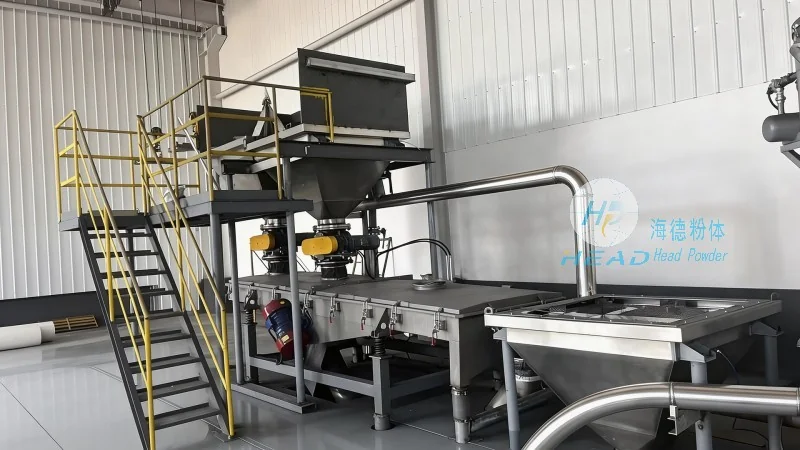
Company Profile: Shandong HeadPowder Engineering Co., Ltd.
HeadPowder, a leading manufacturer in the field of material handling solutions, specializes in the design, production, and installation of advanced pneumatic conveying systems. With a strong commitment to quality and innovation, the company has established itself as a trusted partner for industries that rely on efficient material transport. HeadPowder's facilities are located in Shandong, China, where state-of-the-art technology and skilled engineering teams ensure the highest standards of product performance and durability.
Key Components of Synthetic Fiber Pneumatic Conveying Equipment
The synthetic fiber pneumatic conveying system typically consists of several essential components that work in tandem to achieve effective material transport. These components include the hopper, which serves as the material storage and feeding unit; the air compressor or blower, responsible for generating the necessary air pressure to move the material; the pipeline system, which transports the material and air mixture; and the receiver, where the material is collected after transport. Each component is engineered to handle the specific characteristics of synthetic fibers, ensuring optimal performance and minimal wear.
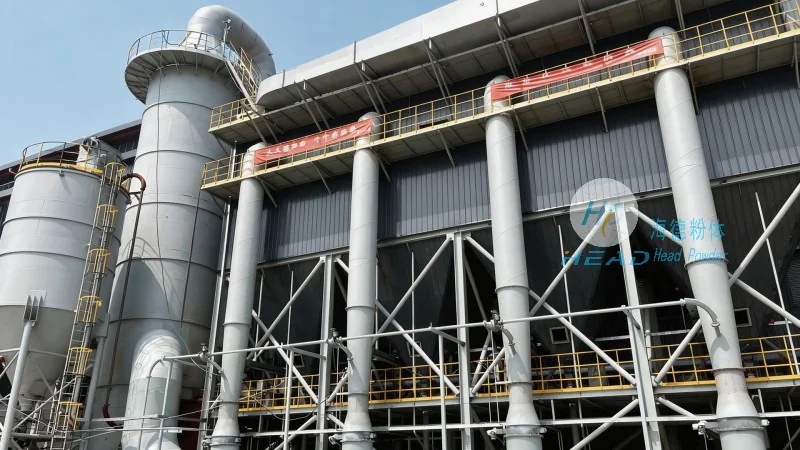
Working Principle of the Pneumatic Conveying System
The operation of synthetic fiber pneumatic conveying equipment is based on the principle of air suspension and pressure differential. When the air compressor starts, it generates a high-pressure air stream that enters the hopper. The synthetic fibers are then drawn into the pipeline as the air flows, creating a dense phase or dilute phase conveying system depending on the system design. The air pressure and velocity are carefully controlled to ensure the fibers are transported smoothly without clogging or degradation. The receiver at the end of the pipeline collects the material, and the air is either filtered and recirculated or vented to the atmosphere, depending on the system configuration.
Advantages of Synthetic Fiber Pneumatic Conveying Equipment
Compared to traditional mechanical conveying methods, synthetic fiber pneumatic conveying offers several distinct advantages. These include the ability to handle fine and delicate materials without breakage or contamination, reduced labor costs due to automated operation, and the flexibility to transport materials over long distances or between different levels. The system is also compact and can be easily integrated into existing industrial setups, making it a cost-effective solution for various applications. Additionally, the low maintenance requirements and long service life of the equipment contribute to its overall efficiency and reliability.
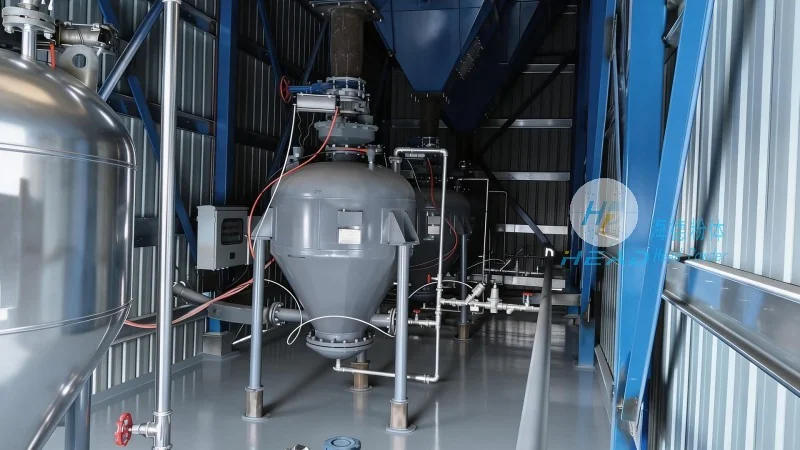
Applications in Different Industries
Synthetic fiber pneumatic conveying equipment is widely used across various industries, including textiles, plastics, pharmaceuticals, and food processing. In the textile industry, it is used to transport synthetic fibers for spinning and weaving processes. In the plastics sector, it handles polymer powders and additives for manufacturing. The pharmaceutical industry benefits from the equipment's ability to maintain product purity and prevent contamination, while the food industry uses it for handling fine powders and ingredients. The versatility of the system makes it suitable for a wide range of applications where efficient and clean material transport is essential.
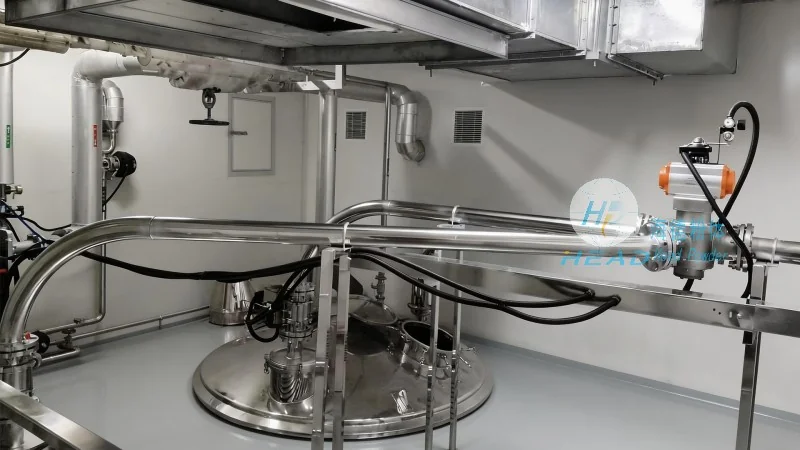
Installation and Maintenance Considerations
Proper installation and regular maintenance are crucial for the optimal performance and longevity of synthetic fiber pneumatic conveying equipment. Installation should be carried out by qualified technicians who ensure all components are correctly aligned and connected. Regular maintenance includes checking air compressor performance, cleaning filters to prevent clogging, and inspecting pipeline systems for any signs of wear or damage. HeadPowder provides comprehensive support services, including installation guidance and maintenance plans, to ensure clients can maximize the equipment's efficiency and minimize downtime. By adhering to recommended maintenance schedules, users can extend the equipment's service life and maintain consistent performance.
Conclusion
Synthetic fiber pneumatic conveying equipment represents a sophisticated and efficient solution for material handling in modern industrial applications. With its robust structure, reliable working principles, and numerous advantages, the equipment is a valuable asset for industries dealing with synthetic fibers and fine materials. HeadPowder, with its expertise and commitment to quality, continues to provide top-tier pneumatic conveying systems that meet the evolving needs of its clients. By understanding the equipment's structure and working principles, as well as proper installation and maintenance practices, users can leverage this technology to enhance productivity and ensure consistent material transport in their operations.




