For industrial applications requiring the efficient and reliable transport of solid powders, pneumatic conveying systems have become a cornerstone technology. These systems utilize the principles of fluid dynamics to move bulk materials through a network of pipes using air or other gases. The core components and operational principles of such systems are essential for understanding their application in various industries, including food processing, pharmaceuticals, chemicals, and mining.
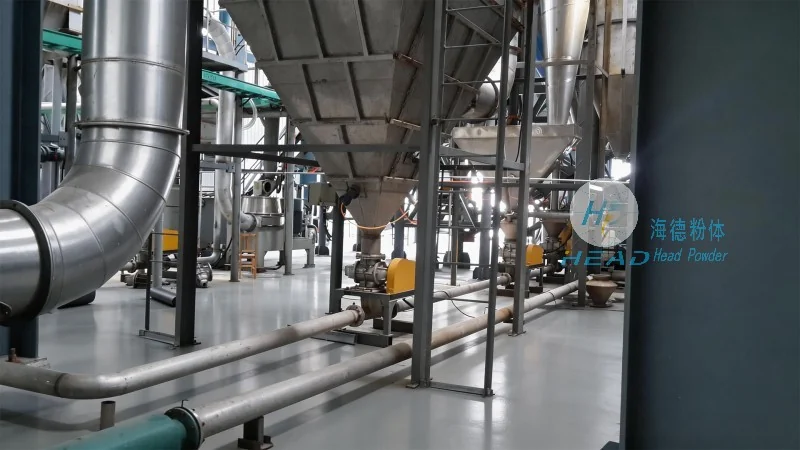
Overview of Solid Powder Pneumatic Conveying Systems
At Shandong HeadPowder Engineering Co., Ltd. (hereinafter referred to as HeadPowder), we specialize in the design, manufacturing, and installation of advanced pneumatic conveying solutions tailored to the unique needs of our clients. Our systems are engineered to ensure minimal product degradation, high transfer efficiency, and compliance with industry standards. The solid powder pneumatic conveying system is a closed-loop or open-loop system that can operate under positive pressure, negative pressure, or a combination of both, depending on the specific requirements of the material being transported and the layout of the facility.
Key Structural Components of Pneumatic Conveying Systems
The fundamental structure of a solid powder pneumatic conveying system comprises several critical components, each playing a vital role in the overall operation. The primary components include:
- Feeders: These devices are responsible for introducing the solid powder into the conveying line. Common types include star valves, screw feeders, and rotary valves, which ensure a consistent and controlled flow of material into the system.
- Conveying Lines: The network of pipes that transports the powder and air mixture. These lines are typically made from materials such as stainless steel, carbon steel, or plastic, depending on the chemical compatibility and abrasion resistance of the conveyed material. Proper pipe sizing and layout are crucial to maintain optimal air velocity and prevent blockages.
- Air Supply System: This includes the compressor or vacuum pump, filters, and regulators. The air supply system provides the necessary pressure or vacuum to move the material through the lines. For positive pressure systems, high-pressure blowers or compressors generate the airflow, while negative pressure systems use vacuum pumps to create suction.
- Control System: A sophisticated control system, often integrated with sensors and programmable logic controllers (PLCs), monitors and regulates the operation of the conveying system. This includes pressure sensors, flow meters, and alarms to detect and prevent issues such as blockages, pressure drops, or overloading.
- Separation and Discharge Equipment: At the receiving end of the system, equipment such as cyclones, filters, and silos is used to separate the powder from the air and collect the material in a controlled manner. This ensures that the final product is free from contamination and that the air is cleaned before being discharged or recirculated.
Working Principles of Pneumatic Conveying
The operation of a solid powder pneumatic conveying system is based on the interaction between the solid particles and the air stream. There are two main operating modes: positive pressure and negative pressure (or vacuum) systems.
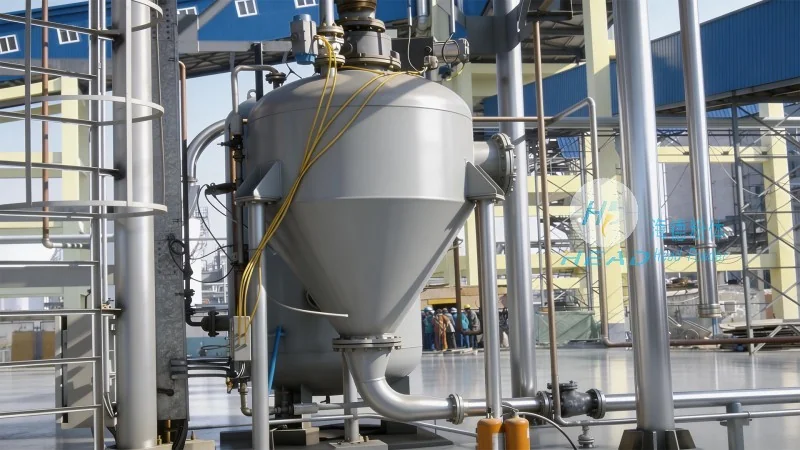
Positive Pressure Conveying: In this mode, the system operates by injecting high-pressure air into the conveying line at the feed point. The air flows through the pipe, carrying the solid particles along with it. The pressure is maintained throughout the system, and the material is discharged at the receiving end under pressure. This method is particularly effective for long-distance or high-velocity transport and is commonly used for abrasive or corrosive materials.
Negative Pressure (Vacuum) Conveying: Conversely, negative pressure systems use a vacuum pump to create a low-pressure environment at the discharge end. The vacuum draws the air and solid particles from the source into the line, moving them toward the collection point. This approach is often preferred for applications where the material needs to be transported from multiple points or where the receiving equipment is located at a lower elevation than the source.
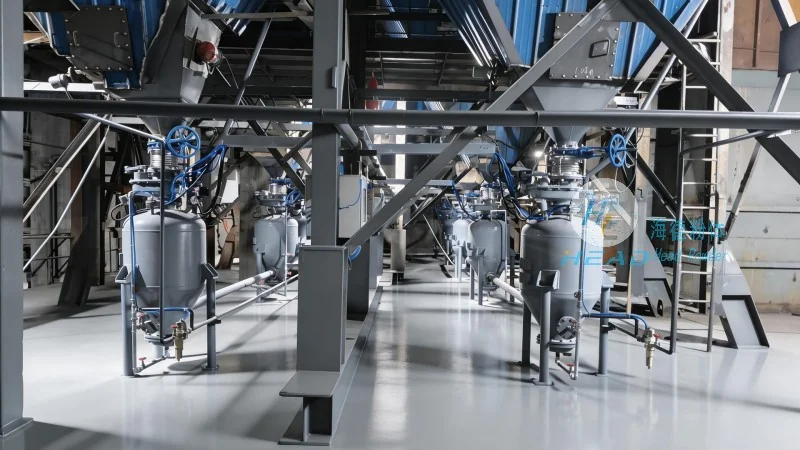
Advantages and Applications of Solid Powder Pneumatic Conveying
HeadPowder's solid powder pneumatic conveying systems offer numerous advantages over traditional mechanical conveying methods. These include:
- Reduced Product Contamination: The closed-loop design minimizes exposure to external contaminants, making it ideal for food, pharmaceutical, and high-purity applications.
- Efficient Material Handling: The ability to transport materials over long distances with minimal energy consumption and no mechanical wear on the product.
- Flexibility in Layout: The system can be easily reconfigured or expanded to accommodate changes in production processes or facility expansions.
- Low Maintenance: Compared to belt or screw conveyors, pneumatic systems have fewer moving parts, reducing the need for frequent maintenance and downtime.
Our systems are widely used in industries such as food processing (e.g., conveying flour, sugar, and spices), pharmaceutical manufacturing (e.g., transporting powders for tablets and capsules), chemical production (e.g., handling raw materials like cement and pigments), and mining (e.g., transporting ore and minerals). The versatility and reliability of pneumatic conveying make it an indispensable technology for modern industrial operations.
Conclusion and Company Profile
Shandong HeadPowder Engineering Co., Ltd. is committed to delivering high-quality, customized pneumatic conveying solutions that meet the stringent requirements of various industries. By leveraging advanced engineering and rigorous quality control, we ensure that our systems provide long-term performance, reliability, and cost-effectiveness. With our headquarters in Shandong, China, HeadPowder serves clients globally, providing expert consultation, system design, and after-sales support to optimize material handling processes and enhance operational efficiency.




