Headpowder, a leading engineering company based in Shandong, China, specializes in the design and manufacturing of advanced pneumatic conveying systems tailored for industrial applications. This article provides an overview of the fly ash particle pneumatic conveying line, focusing on its structural design and operational principles to help clients understand its functionality and benefits.
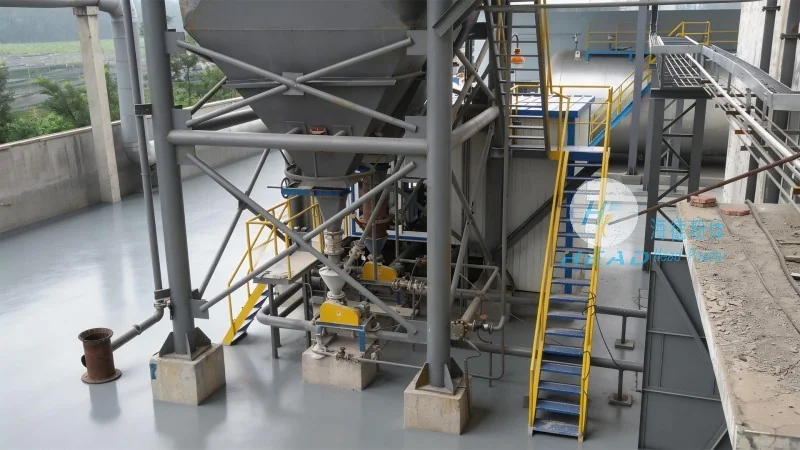
Overview of the Fly Ash Particle Pneumatic Conveying Line
The fly ash particle pneumatic conveying line is a specialized system engineered to transport fly ash, a byproduct of coal combustion, from its source to designated storage or processing facilities. Developed by Shandong HeadPowder Engineering Co., Ltd., this system combines efficient material handling with reliable performance, addressing the unique challenges associated with handling fine, abrasive particles like fly ash. The system is designed to ensure minimal product degradation, low maintenance requirements, and high operational efficiency, making it an ideal solution for power plants, cement factories, and other industrial facilities that generate or utilize fly ash.
Key Structural Components of the Pneumatic Conveying System
The fly ash particle pneumatic conveying line consists of several critical components that work in tandem to facilitate the transport of materials. These components include the material feed hopper, which serves as the initial storage and feeding unit, ensuring a consistent flow of fly ash into the system. The feed hopper is equipped with a rotary valve or feeder mechanism to control the discharge rate, preventing blockages and maintaining uniform material flow. The pipeline system, typically made of high-quality stainless steel or other corrosion-resistant materials, is designed to withstand the abrasive nature of fly ash and ensure long-term durability. The pipeline includes bends, elbows, and straight sections, all strategically positioned to minimize pressure losses and maintain optimal conveying velocity. Additionally, the system incorporates a pressure vessel or receiver at the discharge end, which collects the conveyed fly ash and allows for further processing or storage. The control panel, equipped with sensors and monitoring devices, enables real-time tracking of system performance, including pressure, flow rate, and temperature, ensuring safe and efficient operation.
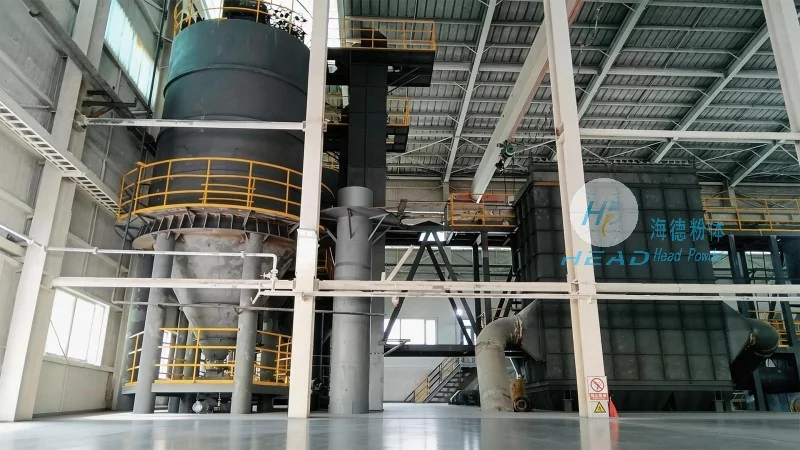
Working Principle of the Pneumatic Conveying System
The operation of the fly ash particle pneumatic conveying line is based on the principle of pneumatic transport, where air is used as the conveying medium to move the solid particles. The system operates in either positive pressure or negative pressure (suction) mode, depending on the specific application requirements. In the positive pressure mode, a blower or compressor generates high-pressure air that is introduced into the pipeline, pushing the fly ash particles forward. The feed hopper is connected to the pipeline via a feeder, which meters the fly ash into the air stream. As the air and particles mix, they form a dense phase or dilute phase flow, depending on the air velocity and particle characteristics. The pipeline design ensures that the air velocity remains above the minimum conveying velocity required to prevent particle settling, maintaining a stable flow throughout the system. The pressure vessel at the discharge end is vented to the atmosphere or connected to a vacuum system in the suction mode, allowing the air to escape and the fly ash to be collected. The control system continuously adjusts the air flow and pressure to maintain optimal conveying conditions, ensuring consistent performance and preventing system failures.
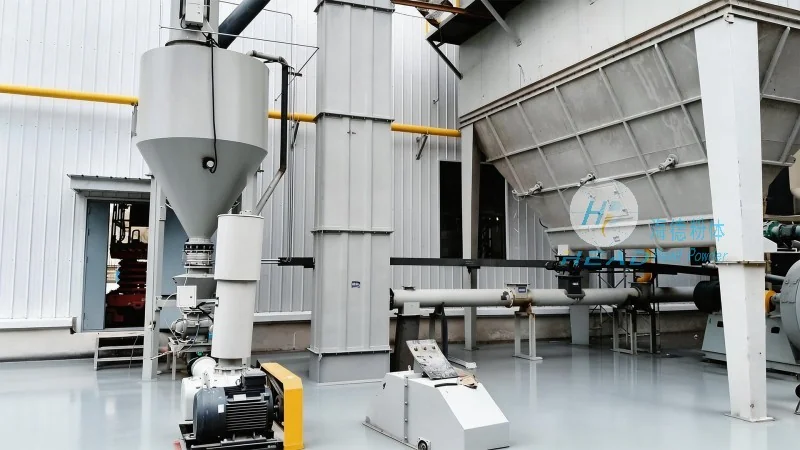
Advantages and Applications of the Fly Ash Particle Pneumatic Conveying Line
The fly ash particle pneumatic conveying line offers several advantages over traditional material handling methods, such as belt conveyors or bucket elevators. These benefits include the ability to transport materials over long distances without the need for multiple transfer points, reducing the risk of material spillage and contamination. The system is also highly flexible, allowing for changes in the conveying route or capacity without significant modifications. Additionally, the enclosed pipeline design minimizes dust emissions, improving workplace safety and environmental compliance. The system is particularly suitable for applications where fine particles need to be handled, such as in the production of cement, concrete, and other building materials. It is also used in power plants for the transport of fly ash from boiler ash hoppers to storage silos or for recycling purposes. The system's reliability and low maintenance requirements make it a cost-effective solution for long-term material handling needs.
Conclusion
Shandong HeadPowder Engineering Co., Ltd. has developed a robust and efficient fly ash particle pneumatic conveying line that addresses the specific challenges of handling fine, abrasive materials. The system's structural design, incorporating advanced components and materials, ensures high performance and durability. The operational principles, based on pneumatic transport, provide reliable and consistent material handling. With its advantages in flexibility, efficiency, and safety, the fly ash particle pneumatic conveying line is an ideal solution for industrial facilities seeking to optimize their material handling processes. Headpowder continues to innovate in the field of pneumatic conveying systems, providing tailored solutions to meet the diverse needs of its clients in Shandong and beyond.




