The pneumatic conveying system for battery positive electrode materials is a critical component in the production and processing of lithium-ion battery materials. As the demand for high-performance batteries grows, the efficiency and reliability of material handling systems become increasingly important. This system is designed to transport fine powders, such as those used in cathode active materials, with precision and minimal loss. The following sections will provide an overview of the system's structure and operational principles, highlighting its key components and how they work together to ensure optimal performance.
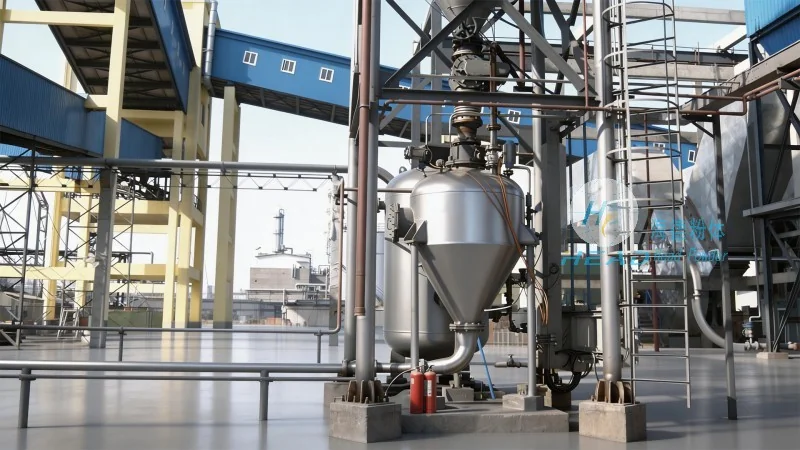
Key Components of the Pneumatic Conveying System
At the core of the system is a series of interconnected components that work in tandem to facilitate material transport. The primary components include a material feed hopper, a conveying pipeline, a pressure vessel or receiver, and a control system. The feed hopper is responsible for storing and feeding the positive electrode material into the system. It is typically equipped with a rotary valve or a screw feeder to regulate the flow rate and prevent material bridging or clogging. The conveying pipeline, often made of stainless steel or other corrosion-resistant materials, is designed to handle the abrasive nature of battery materials. It may include bends, elbows, and expansion joints to accommodate changes in direction and pressure. The pressure vessel or receiver is where the material is collected and stored before being discharged to the next processing stage. It is equipped with a pressure relief valve and a level indicator to ensure safe operation. The control system, which may include sensors, valves, and a programmable logic controller (PLC), monitors and regulates the flow of material, pressure, and temperature to maintain optimal conditions throughout the conveying process.
Operational Principle: How the System Works
The pneumatic conveying system operates on the principle of using compressed air to move material through the pipeline. There are two main types of pneumatic conveying systems: pressure and vacuum. In a pressure system, compressed air is introduced into the material feed hopper, creating a pressure differential that forces the material to flow through the pipeline. The air and material mixture travels at high velocity, ensuring efficient transport. In a vacuum system, a vacuum pump creates a negative pressure in the pipeline, drawing material from the feed hopper. Both systems rely on the interaction between the air and the material particles to achieve movement. The system's efficiency depends on factors such as the particle size, density, and moisture content of the material, as well as the air pressure and flow rate. Proper design and maintenance of the system are crucial to prevent material degradation, blockages, and energy inefficiencies.
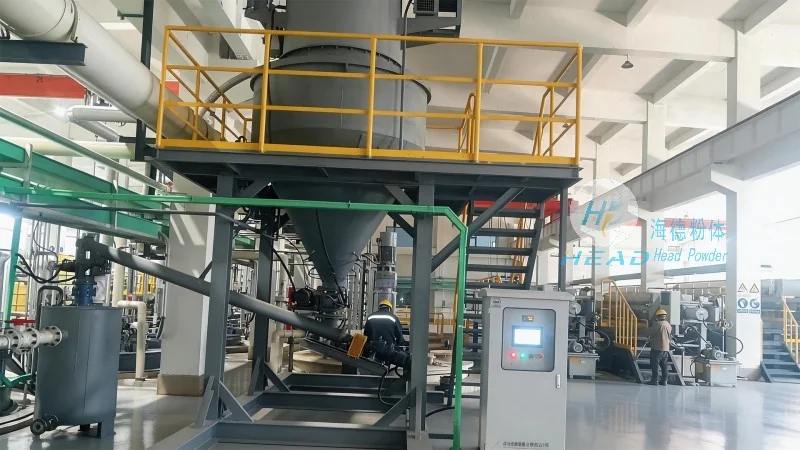
Advantages of the Pneumatic Conveying System
Compared to traditional mechanical conveying methods, the pneumatic conveying system offers several advantages for handling battery positive electrode materials. One of the key benefits is the ability to transport materials over long distances without the need for multiple transfer points. This reduces the risk of material contamination and loss, which is critical for high-purity battery materials. The system also provides better control over the material flow rate and pressure, allowing for precise dosing and processing. Additionally, the enclosed pipeline design minimizes dust exposure and improves workplace safety. The system's flexibility allows for easy integration with other production equipment, such as mixers, classifiers, and dryers. Overall, the pneumatic conveying system enhances productivity, reduces operational costs, and ensures the quality of the final battery products.
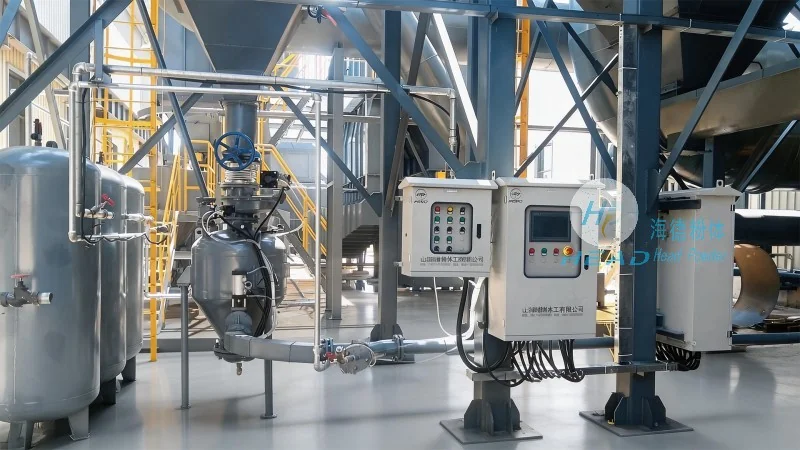
Application in Battery Manufacturing
The pneumatic conveying system is widely used in the battery manufacturing industry for handling various positive electrode materials, including lithium cobalt oxide (LCO), lithium nickel manganese cobalt oxide (NMC), and lithium iron phosphate (LFP). These materials are typically fine powders with specific particle size distributions and moisture content requirements. The system's ability to handle these materials with minimal degradation is essential for maintaining their performance characteristics. For example, in the production of NMC cathode materials, the system ensures that the material is transported without agglomeration or moisture absorption, which could affect the battery's capacity and cycle life. The system's reliability and efficiency contribute to the overall quality and consistency of the battery products, meeting the stringent standards of modern battery applications.
About Shandong HeadPowder Engineering Co., Ltd.
Shandong HeadPowder Engineering Co., Ltd., commonly known as HeadPowder, is a leading manufacturer and supplier of pneumatic conveying systems and related equipment for the battery and powder processing industries. With a strong focus on innovation and quality, HeadPowder has developed advanced solutions tailored to the specific needs of battery manufacturers. The company's expertise lies in designing and manufacturing systems that meet the highest standards of efficiency, reliability, and safety. HeadPowder's products are widely used in various applications, from small-scale laboratory testing to large-scale industrial production. The company's commitment to customer satisfaction and technological advancement has established it as a trusted partner in the battery material processing sector. HeadPowder's facilities are located in Shandong, China, where the company leverages its local resources and expertise to deliver high-quality products and services to clients worldwide.




